
Obari says weak distribution networks, declining reading culture, and poor industry support threaten Nigeria’s literary future
By A1NEWS International – June 23, 2026
ABUJA, Nigeria – A leading communications professional, Joseph Ollor Obari, has raised alarm over what he described as the gradual decline of Nigeria’s publishing industry, warning that inadequate investment, weakening reading habits, and poor book distribution systems are undermining intellectual development and literary growth across the country.
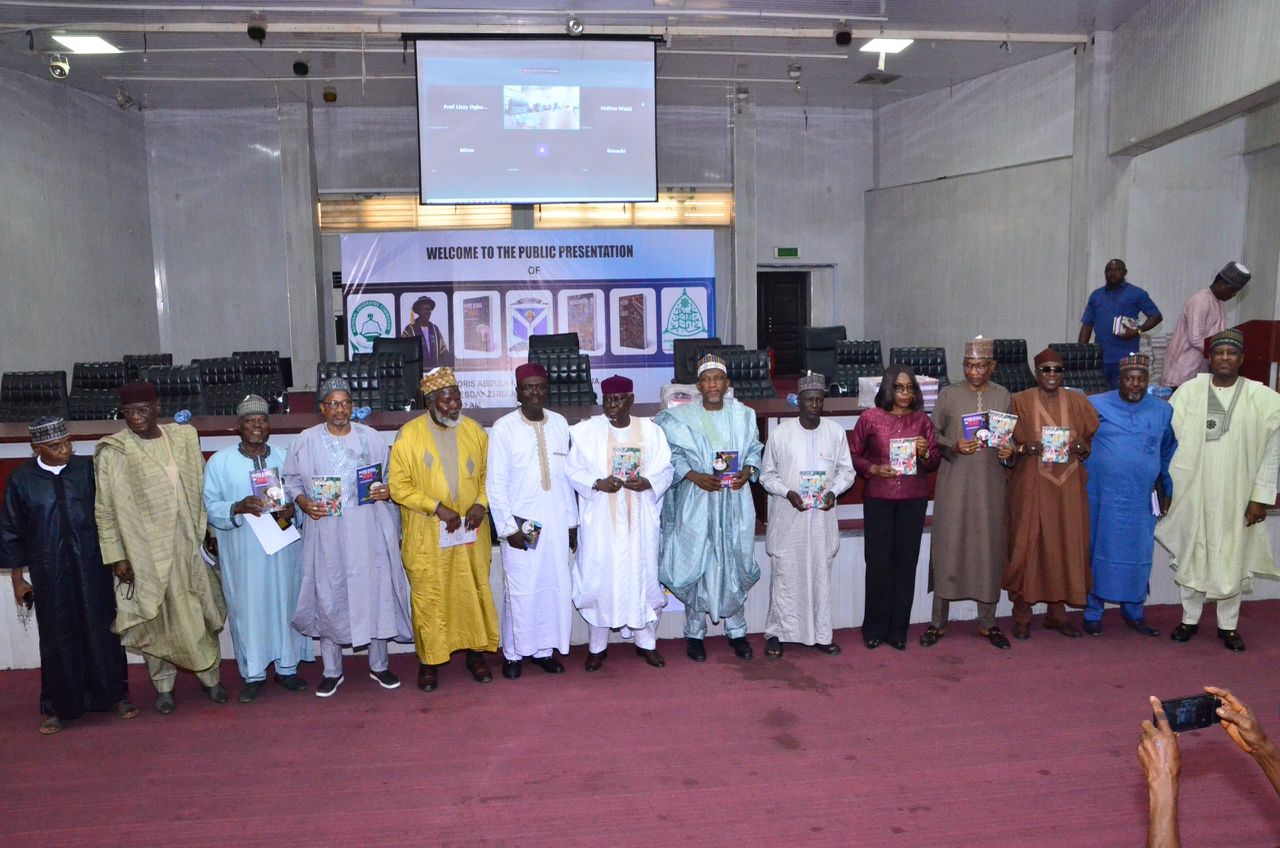
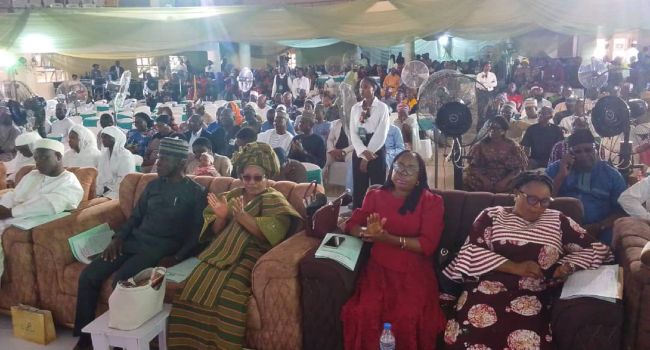
Obari made the remarks while reviewing White Guava and War, the autobiography of renowned Nigerian academic, Professor Ashiedu Ogboli, during a public presentation held at the National Universities Commission (NUC) Headquarters in Abuja on Tuesday.
The event also featured the presentation of another scholarly work by the author, Readings in Art, Design and Culture, attracting academics, policymakers, publishing professionals, and stakeholders in Nigeria’s education sector.
Publishing Industry Facing Structural Challenges
Speaking before an audience of scholars and literary enthusiasts, Obari traced the challenges confronting Nigeria’s publishing industry to decades of economic disruptions and policy shifts that weakened the sector’s institutional foundations.
According to him, the implementation of the Structural Adjustment Programme (SAP) during the military administration of former President Ibrahim Babangida significantly altered the operating environment for publishers, leading to the collapse of many established publishing houses.
He noted that the decline of these institutions deprived writers of professional editorial services, marketing support, and distribution networks that once sustained literary production in Nigeria.
“For quite some time, all was not well in the world of publishing in Nigeria. We lost not only publishing houses but also the structures that supported authorship and provided a dependable economic backbone for the intellectual property industry,” Obari stated.
Industry observers have long argued that the collapse of major publishing houses contributed to a fragmented literary ecosystem where many authors are forced into self-publishing arrangements with limited professional support.
Self-Publishing Boom Raises Quality Concerns
Obari acknowledged the rise of self-publishing as a response to the vacuum created by the decline of traditional publishers but cautioned that the trend often exposes authors to challenges relating to quality control and editorial standards.
He stressed that professional editing remains an indispensable component of successful publishing and warned against the misconception that authors can effectively evaluate their own work without independent review.
“A writer is often not the best editor of his own work. Every author benefits from independent professional editors who can identify weaknesses, improve clarity and strengthen the overall quality of a manuscript,” he said.
His comments reflect wider concerns among literary experts who argue that the absence of rigorous editorial processes can diminish the quality and credibility of published works.
Distribution Remains the Industry’s Weakest Link
One of the strongest concerns raised during the review centred on the persistent challenge of book distribution across Nigeria and other developing economies.
Obari identified distribution and marketing as the most significant barriers preventing many quality books from reaching readers.
Without established publishing networks, he said, many authors are forced to shoulder the burden of promoting, marketing, and distributing their books, often with limited resources.
“Without the networks and resources of established publishing houses, authors are frequently left to carry the burden of bringing their books to readers. Even outstanding literary works can struggle to find their audience,” he noted.
Publishing analysts have repeatedly identified weak distribution channels, high production costs, and poor access to retail outlets as major obstacles limiting the growth of Nigeria’s book industry.
Digital Culture Reshaping Reading Habits
Beyond structural challenges, Obari expressed concern over the impact of digital culture on reading patterns among younger generations.
He warned that the growing preference for short-form digital content, combined with increasing dependence on abbreviations and informal online communication, is gradually reducing sustained engagement with books and long-form writing.
The communications expert argued that while technology offers opportunities for wider access to information, it should not come at the expense of deep reading and critical thinking.
His observations come amid ongoing debates among educators regarding declining reading culture and literacy engagement among students across many parts of Africa.
Call for Public and Private Sector Intervention
Despite the challenges confronting the industry, Obari expressed optimism about emerging signs of recovery within Nigeria’s publishing ecosystem.
He called on governments, private investors, educational institutions, and cultural organisations to collaborate in revitalising the publishing sector through targeted investments and policy support.
“There should be a collective effort to restore publishing to the place it deserves in society. Books remain among humanity’s most powerful tools for developing minds, preserving knowledge and building nations,” he said.
Experts believe increased investment in publishing infrastructure, digital platforms, libraries, and literacy programmes could help reverse current trends and strengthen Nigeria’s knowledge economy.
White Guava and War Receives Strong Endorsement
Reviewing White Guava and War, Obari described the autobiography as a compelling and intellectually stimulating work that combines personal experiences with broader reflections on education, resilience, conflict, nation-building, and personal growth.
Published in 2026 by Ahmadu Bello University Press Limited, the book chronicles Professor Ogboli’s life journey while offering readers insights into Nigeria’s social and historical realities.
According to the reviewer, the autobiography successfully balances humour, vivid storytelling, and intellectual depth.
“White Guava and War is a reflective autobiographical work that masterfully weaves personal experiences around serious themes. It is at times humorous, at other times provocatively descriptive, and consistently intellectually engaging,” he remarked.
He recommended the book to students, educators, researchers, policymakers, and members of the general reading public.
The presentation of White Guava and War served not only as a celebration of Professor Ashiedu Ogboli’s scholarly contributions but also as a platform for renewed debate on the future of Nigeria’s publishing industry.
As stakeholders grapple with declining reading culture, weak distribution systems, and the disruptive impact of digital media, Obari’s call for strategic investment underscores growing concerns that the nation’s intellectual and literary development may suffer unless urgent interventions are undertaken.
For many participants at the event, the challenge is no longer simply publishing books—but ensuring that books remain central to education, knowledge preservation, and national development in the digital age.







Leave a Reply