

Across Kwara, Borno, Niger, Kaduna, and Zamfara, victims remain in captivity with little or no contact
By Yahaya Jinjiri, Emmanuel Angulu and Bukar Goni
No fewer than 1,000 Nigerians abducted in coordinated attacks across several states in early 2026 remain in captivity, with many families receiving no communication from their captors.
The prolonged silence has deepened anguish among relatives, raising fears over the fate of victims, many of whom are women and children.
Findings indicate that victims abducted from communities in Kwara, Borno, Niger, Southern Kaduna, and Zamfara states are being held for weeks and, in some cases, months without ransom demands or proof of life.
In Woro community, Kaiama Local Government Area of Kwara State, 176 residents—mostly women and children—were abducted in February. More than 50 days later, families say there has been no contact from the kidnappers.
Relatives describe the silence as psychologically devastating, with many expressing fears that victims may not have survived harsh conditions in captivity.
In contrast, some communities report ransom demands running into hundreds of millions of naira, further compounding the financial burden on affected families.
Across affected regions, residents accuse authorities of slow response and inadequate communication, while security agencies insist efforts are ongoing to secure the victims’ release.
In Borno State, more than 300 residents abducted during a March attack in Gwoza Local Government Area remain missing, although a few victims have reportedly returned without explanation.
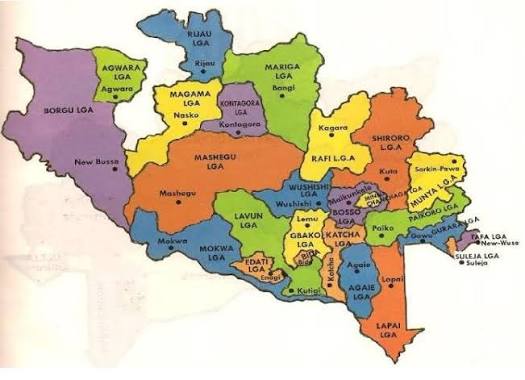
In Niger State, the crisis has taken a prolonged dimension, with some victims reportedly held for nearly a year. Families say ransom negotiations have stalled or failed despite partial payments.
Southern Kaduna communities report a similar trend, with kidnappers either demanding high ransoms or going completely silent, leaving families in uncertainty.
Zamfara State has recorded hundreds of abductions since January, with many victims still unaccounted for despite sporadic contact in some cases.
Security analysts warn that the emerging pattern of “silent captivity” complicates rescue efforts, as lack of communication removes negotiation channels and limits intelligence gathering.
Silence Deepens Trauma for Families
Families say the absence of contact is more distressing than ransom demands, as they are left without confirmation of whether victims are alive.
Community leaders report rising emotional and psychological strain, with many households unable to cope with prolonged uncertainty.
Civil society groups have also criticised what they describe as a failure of the state to protect citizens and respond decisively to mass abductions.
Rising Kidnappings Across Multiple States
Data from affected regions show a surge in coordinated attacks targeting rural communities, particularly women and children.
In Zamfara alone, hundreds of residents have been abducted in multiple incidents since January, while Niger and Kaduna states continue to face repeated attacks on vulnerable communities.
Security agencies say operations are ongoing, but have not provided comprehensive figures for those still in captivity.
The scale and persistence of kidnappings highlight Nigeria’s worsening internal security challenges. The shift toward prolonged or silent captivity signals evolving tactics by armed groups, increasing risks for victims and complicating response strategies. Without decisive intervention, public confidence in security institutions may further erode.











Leave a Reply