
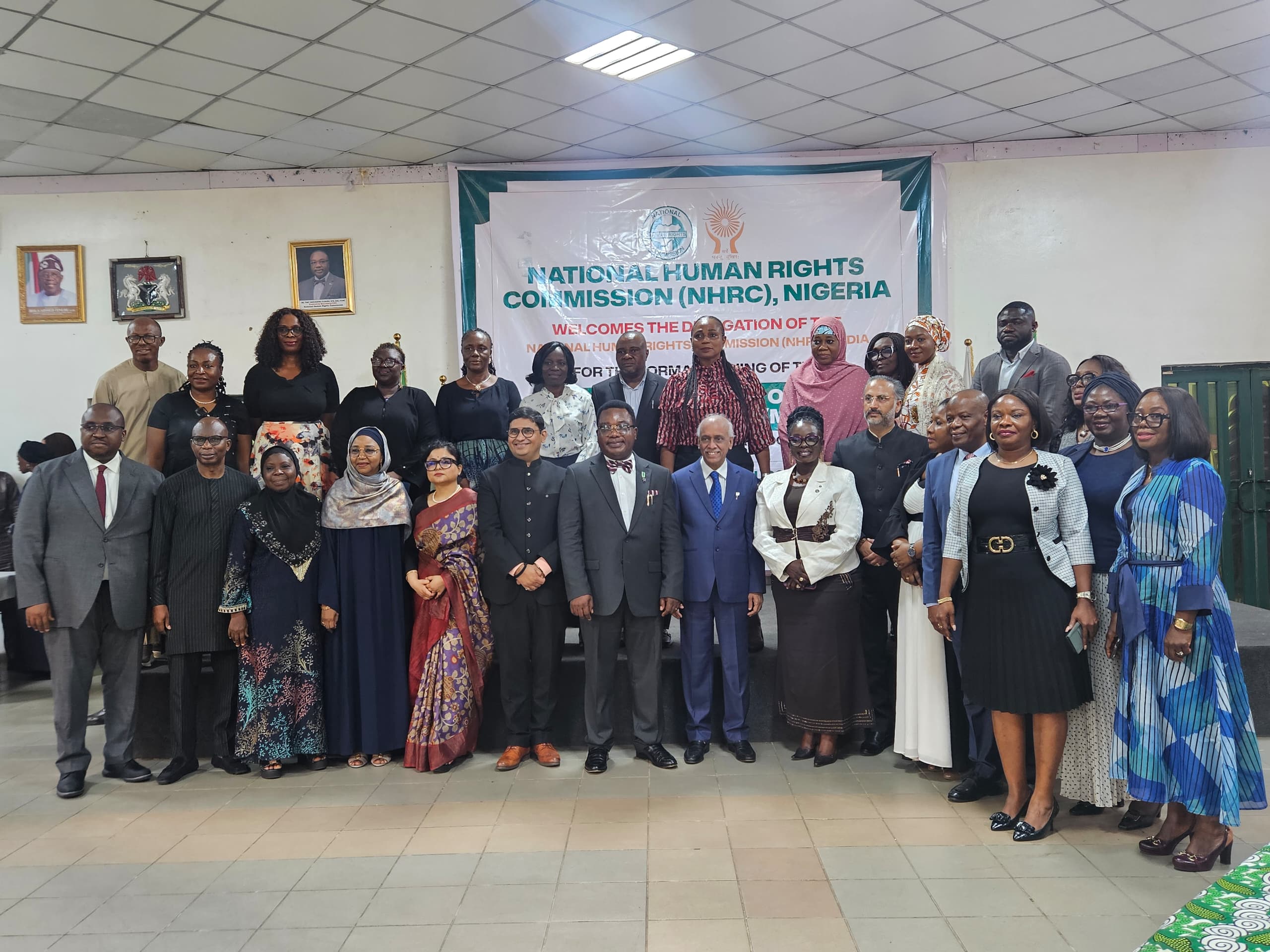
Nigeria’s National Human Rights Commission reports a 14 per cent increase in complaints across its 38 locations, identifies internally displaced persons among the most vulnerable groups and signs a cooperation agreement with India’s human rights commission.
Tuesday, November 10, 2026
By: A1 News Desk
ABUJA, Nigeria – The National Human Rights Commission (NHRC) has recorded 384,196 human rights complaints across its 38 locations nationwide in October 2026, representing an increase of approximately 45,000 complaints, or 14 per cent, compared with the figures recorded in September.
The development has raised fresh concerns about the state of human rights protection in Nigeria, particularly amid persistent insecurity, killings, abductions, sexual and gender-based violence, alleged abuses by public authorities and growing political intolerance ahead of the country’s forthcoming elections.
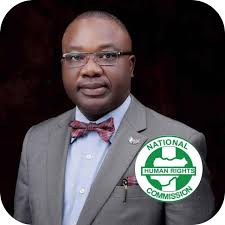
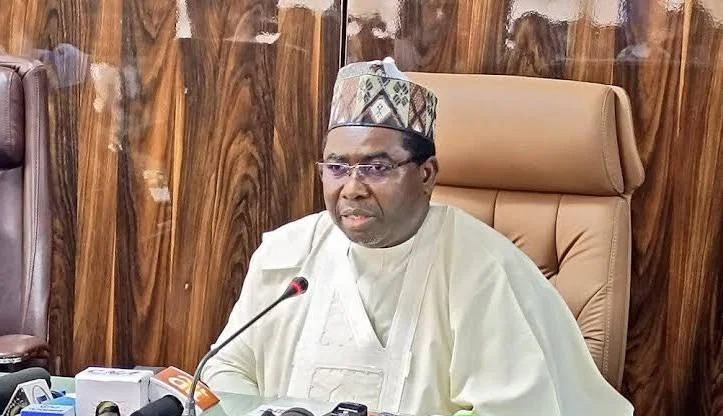
The Executive Secretary of the Commission, Dr Tony Ojukwu, OFR, SAN, disclosed the figures on Tuesday, November 10, 2026, during the presentation of the October 2026 Human Rights Situation Dashboard in Abuja.
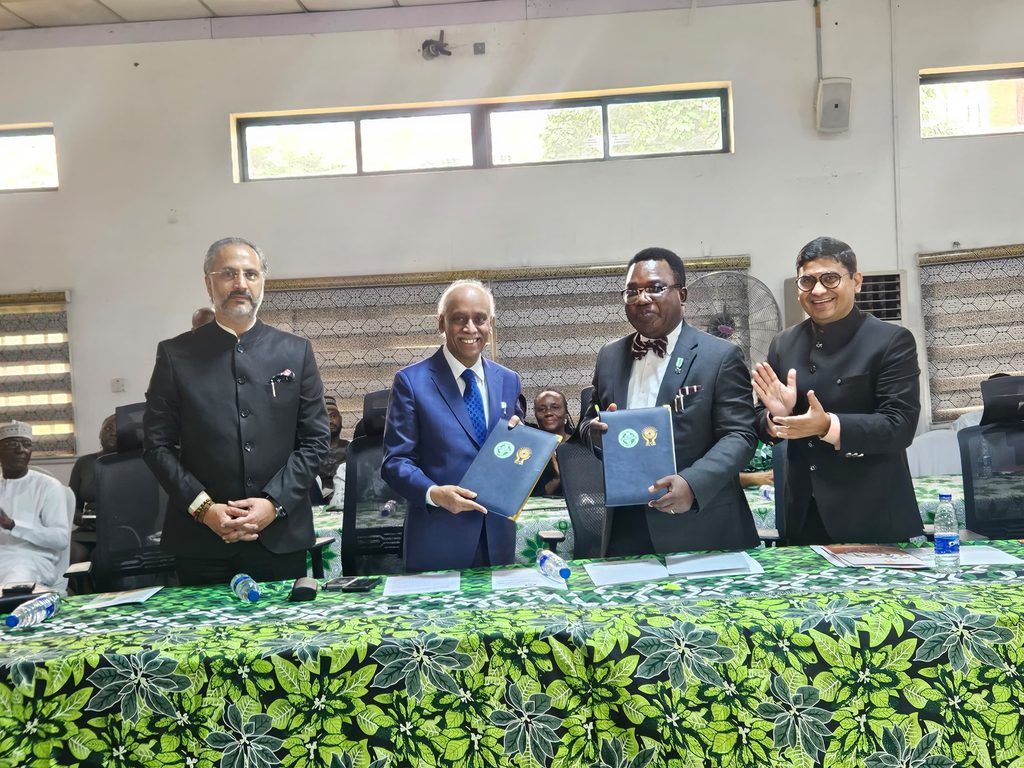
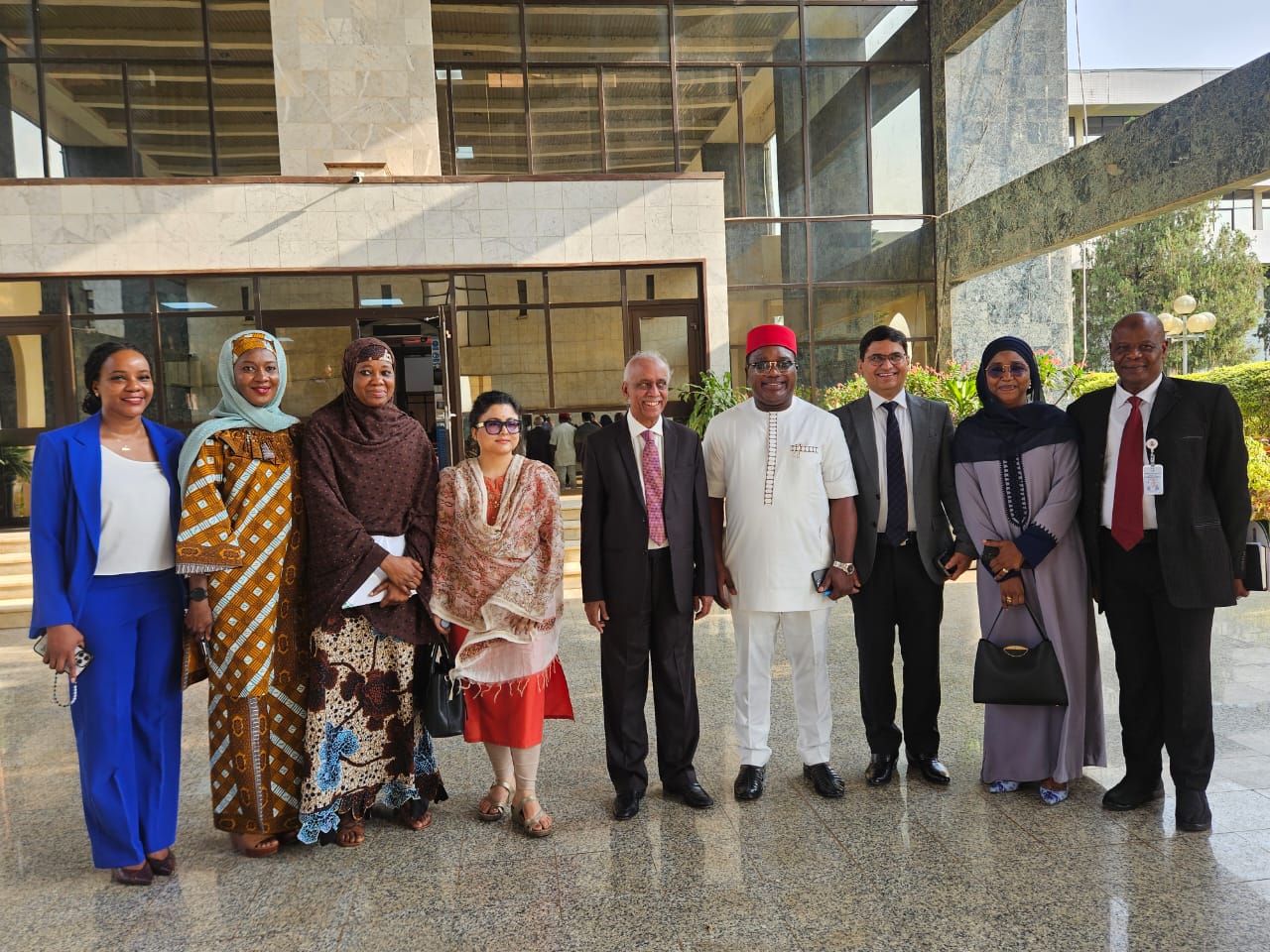
The event also featured the signing of a Memorandum of Understanding (MoU) between Nigeria’s National Human Rights Commission and the National Human Rights Commission of India, aimed at strengthening institutional cooperation, knowledge exchange and capacity development in human rights protection.
According to Ojukwu, the increase in complaints could partly reflect growing public awareness of human rights and improved access to the Commission’s complaint-reporting mechanisms. However, he stressed that the figures also expose continuing challenges confronting individuals and communities across the country.
He maintained that the monthly dashboard was not merely a statistical exercise but an accountability instrument designed to identify emerging human rights violations, inform policy interventions and promote effective remedies for victims.
DISPLACED PERSONS ACCOUNT FOR MAJOR SHARE OF DISCRIMINATION-RELATED COMPLAINTS
The October dashboard identified freedom from discrimination as the largest thematic category, accounting for 217,243 complaints.
Significantly, 184,624 complaints within this category were recorded under the protection of internally displaced persons (IDPs), highlighting the scale of protection concerns affecting populations forced to abandon their homes because of insecurity and other circumstances.
The Commission warned that displacement must not deprive individuals and families of their dignity, personal security and access to fundamental rights.
The figures underscore the need for stronger institutional responses to the humanitarian and human rights consequences of displacement, including improved protection mechanisms and greater accountability by relevant authorities.
Ojukwu emphasised that every complaint represents an individual, family or community whose rights and dignity require protection.
He said the Commission’s responsibility extends beyond documenting complaints to ensuring that the information gathered translates into appropriate interventions, effective remedies and stronger safeguards for Nigerians.
INSECURITY, KILLINGS AND ABDUCTIONS REMAIN MAJOR HUMAN RIGHTS CONCERNS
The Commission expressed serious concern over the prevailing security situation across several parts of Nigeria, particularly reports of killings, armed attacks and abductions affecting vulnerable communities.
According to its Human Rights Observatory, incidents recorded during October involved attacks on farming communities, travellers, students, traditional rulers and security personnel.
Particularly disturbing were reports of mass killings and abductions in parts of Taraba, Borno, Zamfara, Niger and Plateau States, among other locations.
The NHRC noted that these incidents extend beyond conventional security challenges, as they directly threaten fundamental human rights, including the rights to life, liberty, dignity and security of person.
The Commission also observed that persistent attacks disrupt agricultural activities and livelihoods, restrict freedom of movement and expose children and other vulnerable populations to additional risks.
It called on relevant security agencies to intensify efforts to protect affected communities, rescue abducted persons and ensure that those responsible for human rights violations are brought to justice in accordance with the law.
The Commission further reiterated that the protection of lives and property remains a fundamental responsibility of the Nigerian State.
NHRC RAISES CONCERN OVER SEXUAL VIOLENCE AND CHILD ABUSE
The October situation report also highlighted continuing threats to the safety and welfare of women and children, particularly incidents involving sexual and gender-based violence, exploitation and abuse.
The Human Rights Observatory documented several disturbing cases involving alleged rape and sexual abuse of children, human trafficking, domestic violence and other forms of abuse.
Reports of severe physical violence against children, abandonment and neglect further exposed weaknesses in existing child protection mechanisms.
The Commission stressed that children must be protected in their homes, schools, religious institutions and communities.
It called for stronger preventive measures, prompt and effective investigations, adequate support for survivors and improved access to justice.
The NHRC also emphasised the importance of ensuring that perpetrators of sexual violence and other forms of abuse are held accountable.
ALLEGED ABUSES BY PUBLIC AUTHORITIES AND THREATS TO CIVIC SPACE
Beyond insecurity and violence against vulnerable groups, the Commission identified incidents involving alleged human rights violations by public authorities and security personnel.
Concerns were also raised over freedom of expression and the shrinking of civic space.
The Commission warned that democratic participation must be protected and that political or public disagreements should never be resolved through violence, intimidation or arbitrary restrictions.
It reaffirmed the importance of safeguarding freedom of expression, association and peaceful assembly.
The NHRC further called for allegations of misconduct and abuse by public officials to be investigated and addressed through appropriate accountability mechanisms.
The Commission’s position reinforces the need for public institutions and security agencies to operate within constitutional and human rights obligations.
NHRC HIGHLIGHTS ECOWAS COURT DECISIONS AND HUMAN RIGHTS ADVOCACY
Despite the challenges identified in the October dashboard, the Commission acknowledged developments demonstrating the continuing importance of judicial institutions and accountability mechanisms in advancing human rights protection.
It specifically referenced decisions of the ECOWAS Community Court of Justice during October, including matters concerning the rights of persons in detention and the protection of communal land rights.
According to the Commission, these decisions reinforce the importance of access to justice and regional mechanisms for human rights accountability.
Within Nigeria, the NHRC also continued its advocacy for the protection and fulfilment of economic and social rights.
During activities marking Nigeria’s 66th Independence Anniversary, the Commission called for rights-based development and equal justice for all citizens.
Similarly, its activities commemorating World Teachers’ Day focused on the need for increased investment in teachers, schools and educational facilities.
The Commission maintained that the right to quality education cannot be guaranteed without safe learning environments, adequately supported teachers and improved educational infrastructure.
NHRC, UNIVERSITY OF PRETORIA AND BAOBAB ENGAGE ON WOMEN’S RIGHTS
As part of efforts to strengthen the protection of women’s rights, the Commission disclosed that it had organised a two-day stakeholders’ engagement in collaboration with the Centre for Human Rights, University of Pretoria, and BAOBAB for Women’s Rights.
The engagement focused on Nigeria’s implementation of the Protocol to the African Charter on Human and Peoples’ Rights on the Rights of Women in Africa, popularly known as the Maputo Protocol.
Government representatives and civil society organisations participated in discussions on the implementation of the regional human rights instrument.
The discussions examined the responsibilities of government institutions in fulfilling their obligations and the role of civil society organisations in monitoring, documentation and shadow reporting.
The Commission also acknowledged the participation of the African Commission on Human and Peoples’ Rights Special Rapporteur on the Rights of Women in Africa, Honourable Commissioner Janet Ramatoulie Sallah-Njie.
The engagement was aimed at strengthening collaboration between government institutions and civil society in advancing women’s rights and improving accountability for the implementation of relevant human rights commitments.
NIGERIA AND INDIA SIGN HUMAN RIGHTS COOPERATION AGREEMENT
In a significant international development, Nigeria’s National Human Rights Commission signed a Memorandum of Understanding with the National Human Rights Commission of India.
The agreement provides an institutional framework for cooperation between the two national human rights institutions.
According to Ojukwu, the partnership will cover the exchange of expertise and best practices, capacity building, joint research and publications, as well as engagement on regional and international human rights issues.
He described the agreement as an opportunity for both institutions to learn from each other’s experiences, deepen institutional capacity and strengthen their approaches to promoting and protecting human rights.
The NHRC Executive Secretary expressed optimism that the agreement would translate into practical programmes and sustained institutional engagement.
He urged both commissions to ensure effective implementation through deliberate planning, regular consultations and mutually agreed activities.
The partnership is expected to provide opportunities for professional exchanges and strengthen Nigeria’s contribution to the international human rights community.
NHRC WARNS POLITICAL ACTORS OVER ELECTORAL VIOLENCE AHEAD OF JANUARY ELECTIONS
The Commission also raised concerns about increasing electoral violence and political intolerance as Nigeria approaches the elections scheduled for January 2027.
Ojukwu warned that elections, both in their processes and outcomes, involve several fundamental human rights, with political participation serving as a cornerstone of constitutional democracy.
However, he expressed concern that the electoral environment had not consistently demonstrated the level of fairness, inclusiveness and peaceful participation required in a democratic society.
He noted that recent incidents of electoral violence and political intolerance threatened the right of citizens to participate freely in democratic processes.
The Commission therefore called on political actors to exercise restraint and conduct their activities in accordance with electoral laws and established human rights standards.
It also reiterated its demand for the prosecution of individuals responsible for inciting hateful and divisive speeches.
The NHRC stressed that the protection of democratic participation requires a peaceful political environment in which citizens can exercise their rights without intimidation, violence or discrimination.
COMMISSION PLEDGES STRONGER MONITORING AND COMPLAINT RESOLUTION
Reaffirming its commitment to human rights protection, the Commission disclosed that it would continue strengthening its monitoring and reporting mechanisms, improving complaint handling and ensuring that documented violations inform policy decisions and institutional reforms.
The objective, according to Ojukwu, is not simply to record violations after they occur but to contribute to a system that prevents abuses, guarantees justice for victims and holds public institutions accountable.
He acknowledged the contributions of state coordinators and staff across the country, whose responsibilities include receiving complaints, documenting incidents, conducting investigations and engaging relevant institutions.
He also recognised the support of development partners, civil society organisations, the media and other stakeholders in advancing the Commission’s mandate.
RISING COMPLAINTS DEMAND STRONGER ACCOUNTABILITY
The October 2026 Human Rights Situation Dashboard presents a sobering picture of Nigeria’s human rights environment, with 384,196 recorded complaints, persistent insecurity, widespread protection concerns among displaced populations and continuing threats to women, children and democratic participation.
While the increase in complaints may partly indicate improved awareness and access to reporting mechanisms, the figures also reinforce the need for more effective institutional responses and stronger enforcement of existing human rights protections.
The new partnership between Nigeria and India provides an additional opportunity for institutional learning and international cooperation. However, its ultimate value will depend on the practical implementation of the commitments contained in the agreement.
As Nigeria approaches another electoral cycle, the Commission’s warning over political violence and intolerance also places renewed responsibility on government institutions, political parties, security agencies and other stakeholders to protect citizens’ rights.
Ultimately, the effectiveness of human rights protection will not be determined by the number of complaints documented or agreements signed, but by the extent to which victims obtain justice, violations are prevented and the dignity and fundamental rights of Nigerians are protected.





Leave a Reply