
Human-rights and political leaders say harassment, arbitrary arrests, misuse of cybercrime laws, hate speech and political violence could weaken public participation before the vote. They are calling for stronger protections and accountability across the entire electoral process.
By: A1NEWS International
ABUJA, Nigeria — November 11, 2026
Nigeria’s human-rights watchdog, the European Union and the Inter-Party Advisory Council (IPAC) have urged authorities and political actors to protect civic freedoms and prevent electoral violence ahead of the 2027 general elections.
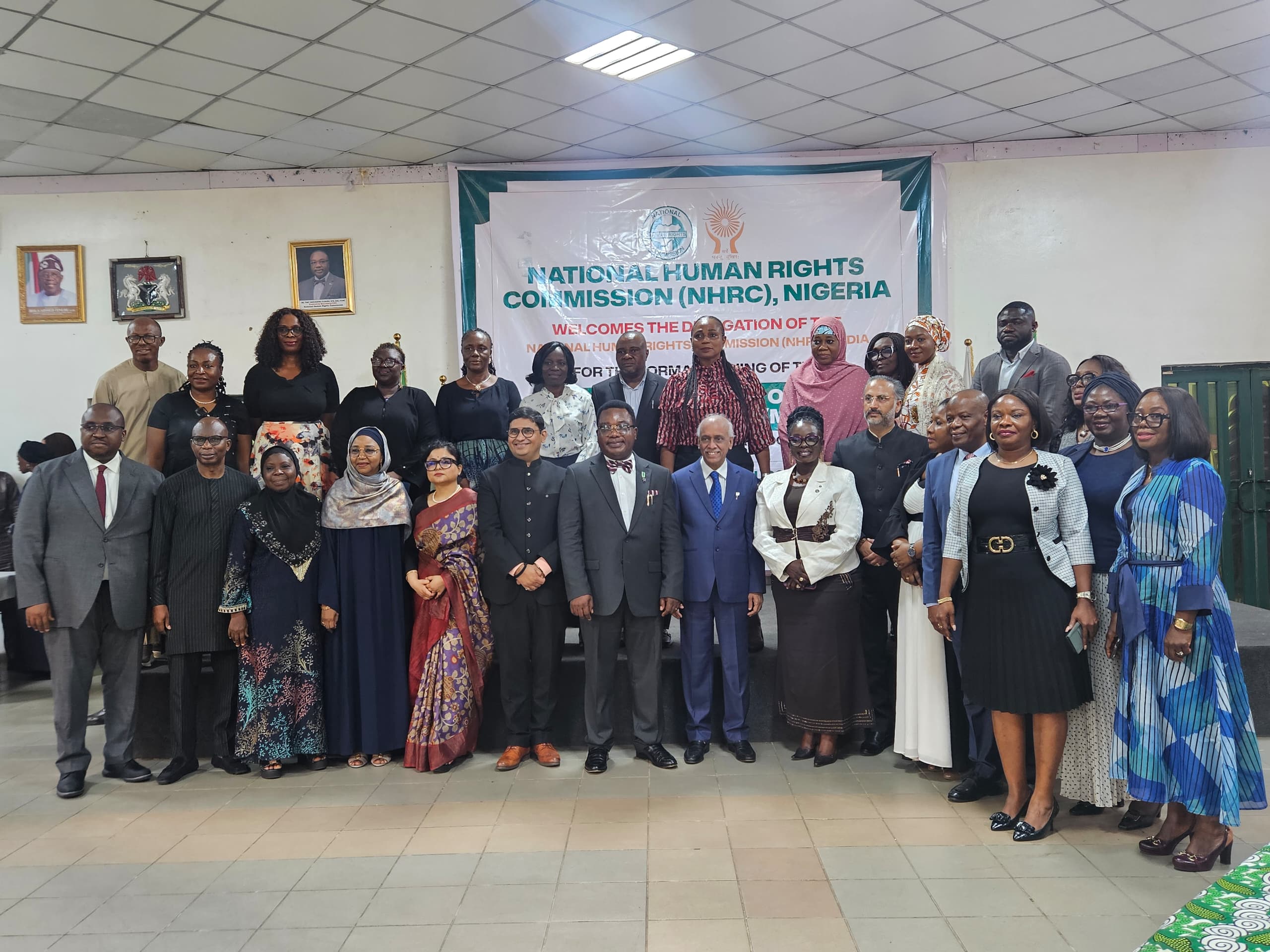
The warning was issued Wednesday at the opening of the 2026 Civil Society and Human Rights Defenders Forum on the State of Human Rights in Abuja. Organised by the National Human Rights Commission (NHRC), with support from the EU Delegation to Nigeria, the forum focused on protecting rights in civic and political spaces during the election period.
Speakers warned that intimidation, restrictions on peaceful assembly and pressure on journalists, civil society groups and human-rights defenders could limit participation and undermine confidence in the electoral process. Their concerns point to a test for Nigeria’s institutions: whether existing protections will be enforced consistently as political activity intensifies.
NHRC cites reports of intimidation and legal restrictions
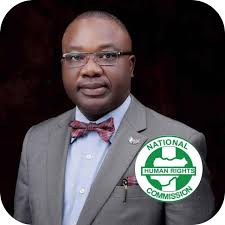
NHRC Executive Secretary Dr Anthony Ojukwu, SAN, said Nigeria’s democracy could be weakened if citizens, journalists, civil society organisations and human-rights defenders were unable to exercise their rights without harassment or intimidation.
Ojukwu said the commission remained concerned about reports of arbitrary arrests, political and voter intimidation, hate speech, incitement and the alleged misuse of laws—including the Cybercrimes Act—to restrict legitimate civic engagement.
The concerns raise questions about how laws intended to address cybercrime and online abuse are applied when public criticism or political speech is involved. At the forum, speakers called for safeguards against unlawful restrictions, but the material provided did not identify specific cases, enforcement figures or investigations into the alleged misuse of the law.
Ojukwu said civil society groups and human-rights defenders should be treated as partners in democratic accountability, rather than adversaries of state institutions.
He also renewed the NHRC’s call for a dedicated Electoral Offences Commission, in line with recommendations made by the Justice Mohammed Uwais Electoral Reform Committee. The proposal would establish a specialised body to address electoral offences, although the forum did not set out a timetable or legislative pathway for creating it.
EU says independent civic space supports credible elections
European Union Ambassador and Head of Delegation to Nigeria and ECOWAS Gautier Mignot said the EU’s partnership with the NHRC, which began in 2024, had developed into a platform for monitoring human-rights concerns, dialogue and responses to emerging challenges.
Mignot said independent media, public forums, peaceful assemblies and civil society organisations were essential to transparent, credible and inclusive elections. Weakening those spaces, he warned, could reduce public participation and erode confidence in democratic institutions.
The ambassador reaffirmed the EU’s support for Nigeria’s democratic institutions and other legitimate stakeholders, while stressing that the partnership was not intended to interfere in the election.
“Our objective is not to interfere in the elections but support legitimate Nigerian stakeholders to fully play their roles in order to contribute to a free, fair and credible electoral process,” Mignot said.
IPAC warns election risks extend beyond polling day
In a message delivered at the event, IPAC Chairman Alhaji Yusuf Dantale called for stronger constitutional protection of fundamental freedoms and greater accountability for human-rights violations and electoral offences.
Dantale cited concerns about insecurity, killings, kidnappings, displacement and other abuses. He condemned intimidation, arbitrary detention, excessive use of force and unlawful restrictions on people exercising their rights.
He also warned against using cybercrime and cyberstalking laws to suppress legitimate criticism or civic participation.
Looking ahead to 2027, Dantale identified political violence, hate speech, vote buying and the activity of political thugs as continuing risks to democratic development. He argued that election credibility should not be judged by polling-day conduct alone.
The full process—from campaigning and voter mobilisation to voting, collation and the declaration of results—must be peaceful and transparent, he said.
Calls for action, but implementation remains the test
The forum’s warnings highlight several areas requiring scrutiny as the election approaches: how authorities respond to reports of intimidation; whether restrictions on civic activity are lawful and proportionate; how allegations of electoral offences are investigated; and whether people responsible for abuses are held accountable.
The speakers called for stronger protections and institutional action, but the statements reported at the forum did not include specific enforcement commitments, deadlines or a monitoring framework. Those details will matter in assessing whether the calls translate into practical safeguards for voters, journalists, parties and civil society groups.
protecting rights will shape confidence in 2027
The NHRC, EU and IPAC have placed civic freedoms and electoral safety at the centre of the debate ahead of Nigeria’s 2027 elections. Their warnings are not proof that every alleged abuse has occurred, but they underline the risks raised by reports of intimidation, restrictions on speech and political violence. The credibility of the election will depend not only on promises made at forums, but on whether institutions protect rights, investigate violations and ensure accountability throughout the electoral cycle.


Leave a Reply