
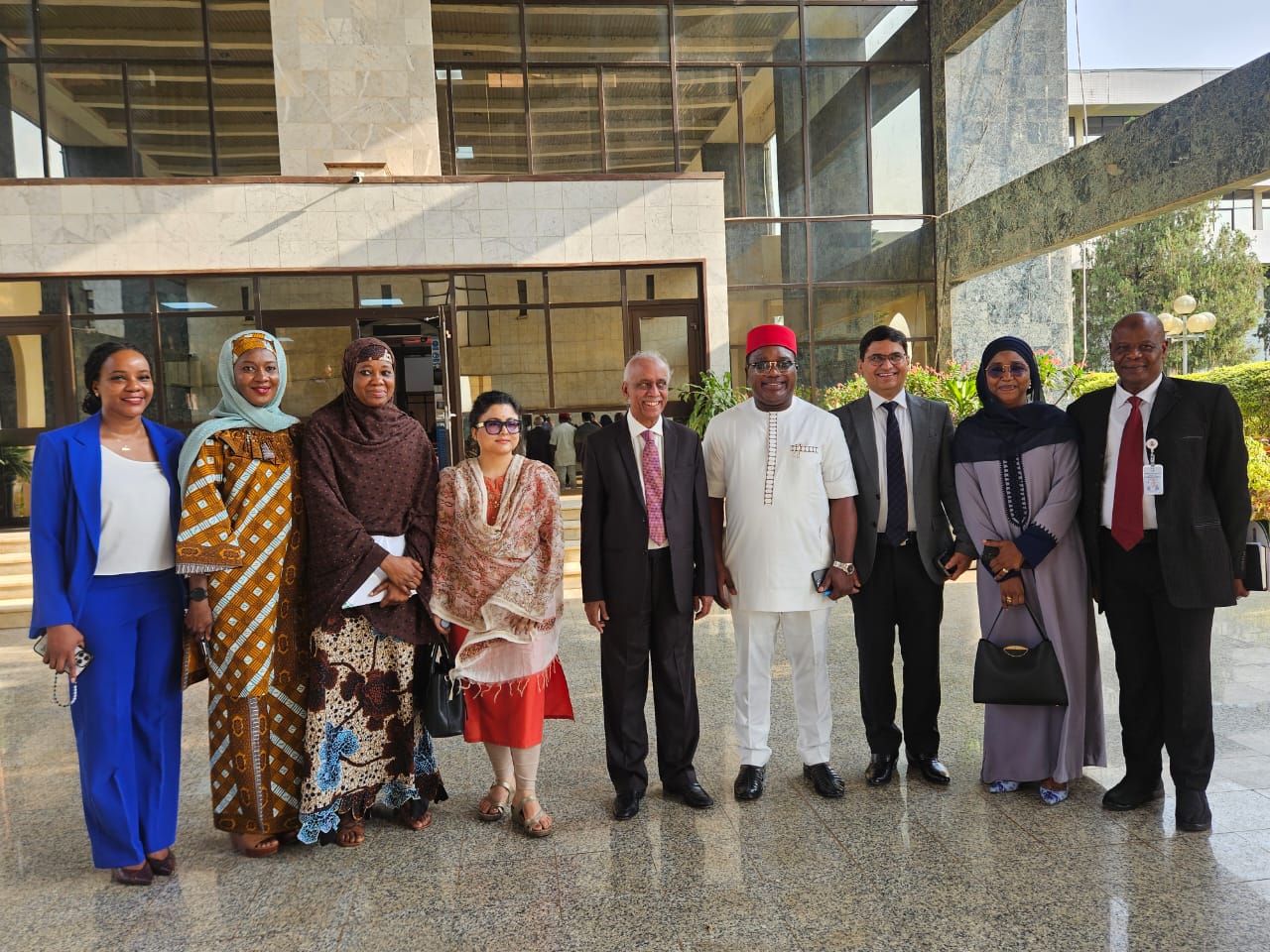
Chief Justice of Nigeria reaffirms judiciary’s commitment to working with the National Human Rights Commission to expand access to justice, while Indian NHRC Chairperson Justice V. Ramasubramanian advocates stronger institutional collaboration and exchange of best practices.
By A1NEWS International
ABUJA, Nigeria | November 9, 2026
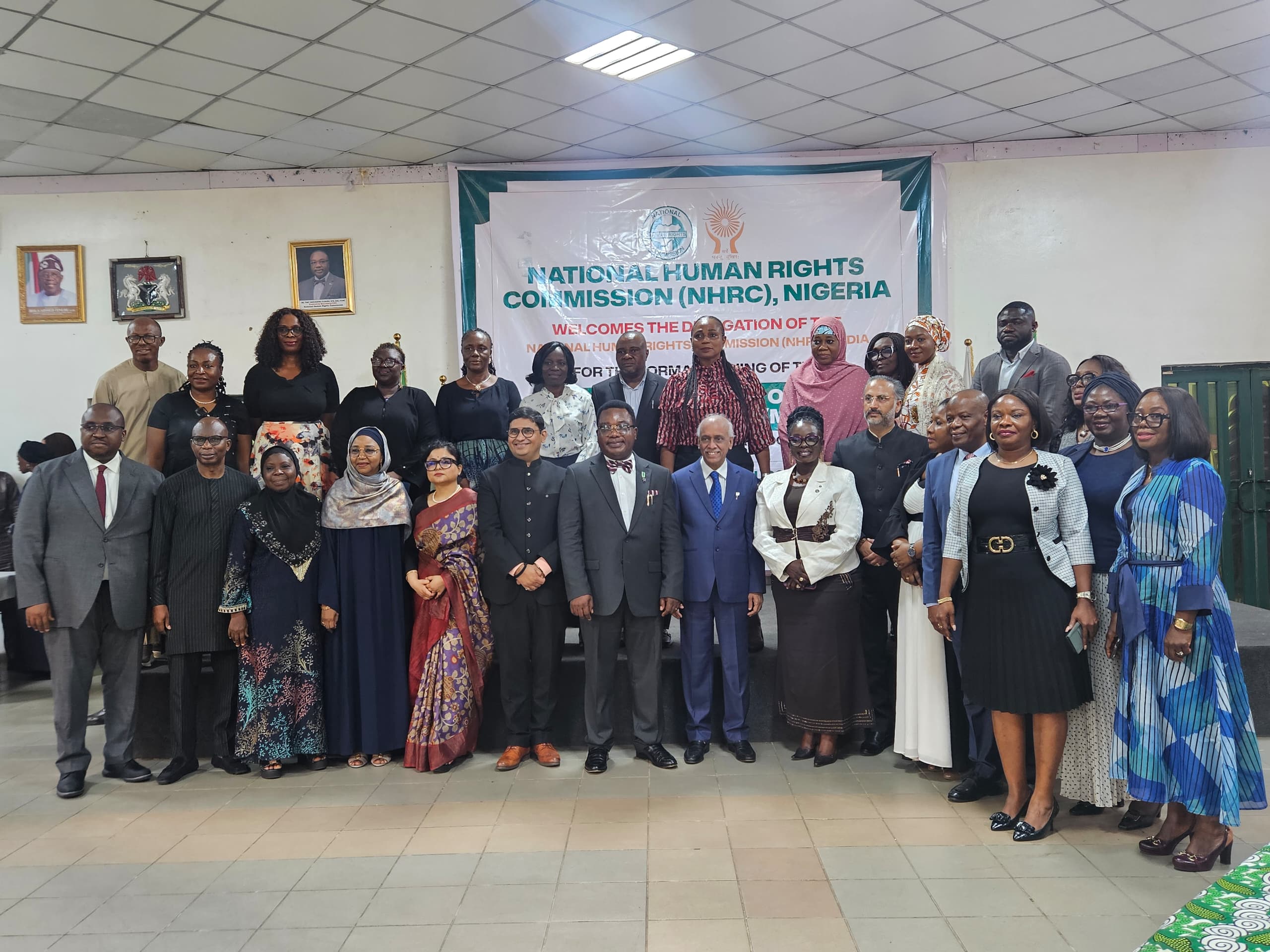
Nigeria and India have taken another step towards strengthening bilateral cooperation in the promotion and protection of human rights following a high-level meeting between a delegation of the National Human Rights Commission (NHRC) of India, Nigeria’s NHRC leadership and the Chief Justice of Nigeria, Justice Kudirat Motonmori Olatokunbo Kekere-Ekun.
The meeting, held at the Office of the Chief Justice of Nigeria within the Supreme Court Complex, Three Arms Zone, Abuja, focused on strengthening institutional relationships, improving access to justice and exploring ways through which national human rights institutions can complement the work of the judiciary.
The Indian delegation, led by the Chairperson of the National Human Rights Commission of India, Justice V. Ramasubramanian, a former Justice of the Supreme Court of India, was accompanied by the Commission’s Joint Secretary, Mr. Samir Kumar.
Nigeria’s delegation was led by the Executive Secretary of the National Human Rights Commission, Dr. Tony Ojukwu, OFR, SAN.
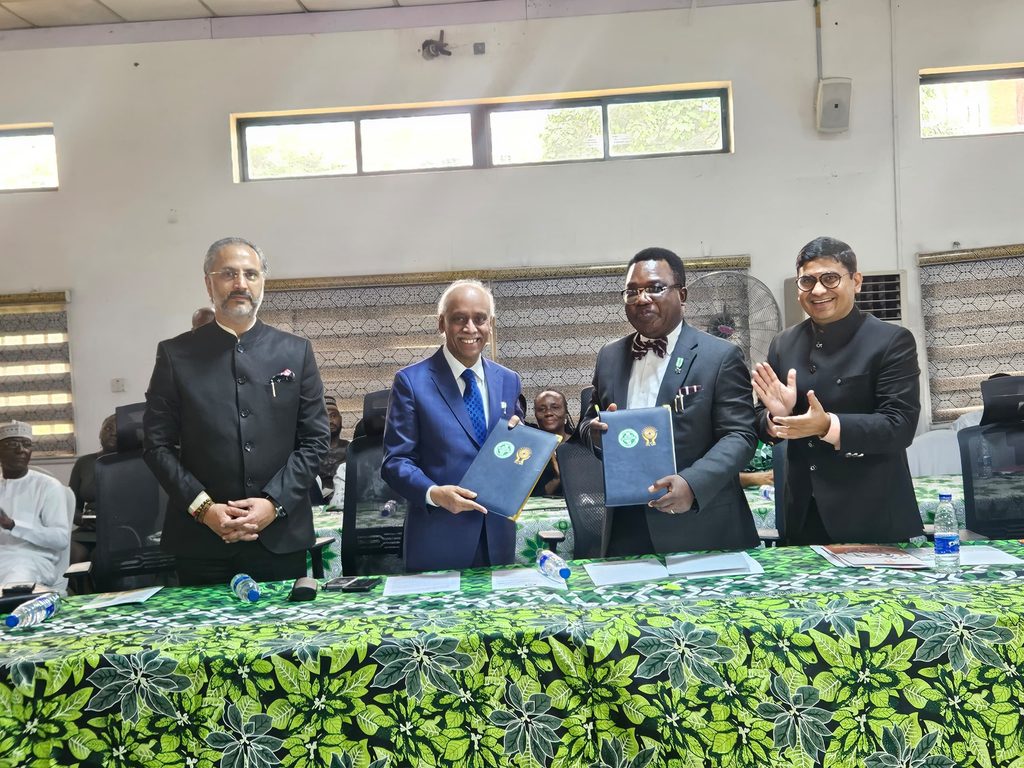
The engagement forms part of a broader programme of bilateral cooperation between the two countries, with the signing of a Memorandum of Understanding (MoU) between their respective human rights commissions scheduled for November 10, 2026.
JUDICIARY AND HUMAN RIGHTS INSTITUTIONS TO STRENGTHEN COLLABORATION
Speaking after the meeting, Justice Ramasubramanian described the engagement with the Chief Justice of Nigeria and other Supreme Court justices as fruitful, emphasising the importance of collaboration between national human rights institutions and judicial authorities.
According to him, human rights commissions across the world perform a complementary function to the judiciary by strengthening the protection of fundamental rights and promoting access to justice.
He explained that the Nigerian and Indian commissions were pursuing three major objectives through their partnership.
These include establishing a collaborative approach between human rights institutions in both countries, demonstrating a shared commitment to the protection and promotion of human rights values, and facilitating the exchange of institutional experiences in addressing human rights violations.
Justice Ramasubramanian noted that both countries could benefit from learning from each other’s experiences, particularly in developing effective mechanisms for addressing human rights abuses and strengthening institutional accountability.
He stressed that the partnership was intended to create opportunities for mutual learning and improve the effectiveness of human rights protection in both countries.
NHRC: PARTNERSHIP WILL IMPROVE ACCESS TO JUSTICE FOR VULNERABLE CITIZENS
Also speaking after the meeting, Nigeria’s NHRC Executive Secretary, Dr. Tony Ojukwu, described the engagement as an important recognition of the complementary responsibilities of human rights institutions and the judiciary.
Ojukwu explained that the collaboration was particularly significant for vulnerable Nigerians who may be unable to afford the financial costs associated with accessing the formal justice system.
He emphasised that every Nigerian is entitled to the protection of their fundamental human rights, irrespective of economic or social circumstances.
According to him, the services of the National Human Rights Commission are provided free of charge, making the institution an important avenue through which individuals, particularly disadvantaged members of society, can seek assistance when their rights are violated.
He stated that effective cooperation between the NHRC and the judiciary would help ensure that citizens have better access to justice and that violations of their fundamental rights receive appropriate attention.
The Executive Secretary maintained that the Commission’s engagement with the judiciary was aimed at ensuring that institutional cooperation translates into practical benefits for ordinary Nigerians.
CHIEF JUSTICE REAFFIRMS JUDICIARY’S COMMITMENT
Ojukwu disclosed that the Chief Justice of Nigeria reaffirmed the judiciary’s commitment to working closely with the National Human Rights Commission to strengthen access to justice and promote the protection and enforcement of human rights.
He said Justice Kekere-Ekun acknowledged the important role played by the Commission and encouraged it to sustain its efforts in protecting the rights of Nigerians.
According to Ojukwu, the Chief Justice also emphasised that human rights-related matters ordinarily receive expedited attention in the courts, reflecting the judiciary’s recognition of the importance of protecting fundamental rights.
The NHRC Executive Secretary described the assurance as encouraging, noting that stronger institutional relationships between the Commission and the judiciary would improve the delivery of justice and ensure that citizens continue to benefit from the services of both institutions.
INDIA’S PUBLIC INTEREST LITIGATION EXPERIENCE HIGHLIGHTED
Another significant aspect of the meeting was the exchange of experiences on judicial practices and institutional mechanisms for advancing human rights.
Ojukwu disclosed that the Chief Justice acknowledged India’s judicial system, particularly its contributions to the development of public interest litigation.
Public interest litigation has become an important instrument for enabling individuals and organisations to approach the courts on matters affecting broader public welfare, including the protection of fundamental rights and the interests of disadvantaged communities.
The NHRC Executive Secretary noted that Nigeria could benefit from India’s experiences in this area, just as India could also learn from Nigeria’s institutional practices and approaches to human rights protection.
He explained that the exchange of best practices would provide opportunities for both countries to strengthen their respective human rights frameworks and improve institutional responses to violations.
MEMORANDUM OF UNDERSTANDING TO FORMALISE BILATERAL PARTNERSHIP
The meeting with the Chief Justice precedes the formal signing of a Memorandum of Understanding between the National Human Rights Commission of Nigeria and its Indian counterpart.
The proposed MoU is expected to establish a framework for sustained institutional cooperation, knowledge exchange and collaboration in advancing human rights protection in both countries.
The agreement represents an opportunity for the two commissions to strengthen their working relationship through shared experiences, institutional capacity development and the exchange of effective practices in addressing human rights challenges.
The visit also underscores the importance of international partnerships in strengthening national institutions responsible for protecting fundamental freedoms and promoting respect for human dignity.
The engagement between the Nigerian and Indian human rights delegations and the Chief Justice of Nigeria highlights the growing recognition that effective human rights protection requires cooperation among independent institutions, particularly national human rights commissions and the judiciary.
For Nigeria, stronger collaboration between the NHRC and the judiciary could provide additional support for vulnerable citizens seeking redress, improve institutional responses to human rights violations and reinforce public confidence in the justice system.
As both countries prepare to formalise their partnership through the proposed Memorandum of Understanding, the success of the initiative will ultimately depend on translating institutional commitments and shared experiences into practical measures that protect citizens’ rights, expand access to justice and strengthen accountability.
TIMELINE OF EVENTS
November 9, 2026: Indian NHRC delegation, led by Justice V. Ramasubramanian, meets the Chief Justice of Nigeria, Justice Kudirat Kekere-Ekun, alongside the Nigerian NHRC leadership and Supreme Court justices.
November 9, 2026: Discussions focus on institutional collaboration, access to justice, human rights protection and the exchange of judicial best practices.
November 10, 2026: Scheduled signing of a Memorandum of Understanding between the National Human Rights Commissions of Nigeria and India.





Leave a Reply