

Family’s Sacrifice Ends in Tragedy Amid Renewed Calls for Urgent Action Against Banditry and Kidnapping
By Hassan Jinjiri / June 1, 2026
GUSAU, ZAMFARA STATE – A tragic twist has once again exposed the brutal reality of Nigeria’s worsening insecurity after armed terrorists reportedly killed a kidnapped school teacher in Zamfara State despite collecting ransom from his family.
The victim, identified as Maru, was abducted earlier in May while travelling to Anka Local Government Area alongside other passengers when armed attackers intercepted their vehicle and whisked occupants into the bush.
His death has triggered widespread outrage and renewed concerns over the growing trend of kidnappers collecting ransom payments while refusing to honour agreements to release victims, raising serious questions about the effectiveness of current anti-kidnapping strategies and security responses across the country.
The incident comes amid escalating attacks by armed bandits and terrorist groups operating across Zamfara and other parts of Nigeria’s North-West region.
Abduction Turns Into Family Nightmare
According to sources familiar with the incident, Maru was among several travellers kidnapped after heavily armed assailants ambushed their vehicle on a route linking communities in Zamfara State.
Following the abduction, the kidnappers reportedly established contact with his family and demanded a substantial ransom amount that initially exceeded the family’s financial capacity.
Determined to save their loved one, relatives reportedly embarked on a desperate fundraising effort, seeking assistance from friends, community members, and well-wishers.
After days of negotiations and financial sacrifices, the family eventually succeeded in raising the agreed ransom and paid the abductors in full, believing the payment would secure Maru’s release.
However, rather than honouring the arrangement, the terrorists allegedly executed the teacher on Tuesday, leaving his family devastated and the community in shock.
The development has intensified fears among residents who increasingly view ransom negotiations as unpredictable and unreliable.
Rising Pattern of Broken Ransom Agreements
Security experts have repeatedly warned that criminal groups operating across Nigeria’s troubled regions are becoming more ruthless and less bound by traditional patterns of negotiation.
Historically, ransom payments often resulted in the release of victims, creating a dangerous but predictable criminal economy.
Recent incidents, however, suggest a disturbing shift in which kidnappers collect ransom payments and still proceed to kill captives, either to eliminate witnesses, instill fear, or increase leverage in future operations.
Analysts argue that such actions further complicate rescue efforts and weaken public confidence in informal negotiation channels often relied upon by desperate families.
The killing of Maru highlights the growing desperation of communities trapped between violent criminals and limited state protection.
Zamfara Remains Epicentre of Bandit Violence
For years, Zamfara State has remained one of the hardest-hit regions in Nigeria’s battle against banditry, kidnapping, cattle rustling, and rural terrorism.
Despite multiple military offensives and security interventions, criminal groups continue to exploit vast forest reserves and difficult terrain to launch attacks on communities, travellers, and government officials.
Residents across several local government areas have repeatedly complained about persistent insecurity, displacement, and economic disruption caused by armed groups operating with apparent freedom in remote locations.
The latest killing has once again drawn attention to the urgent need for stronger intelligence gathering, improved surveillance technology, and enhanced security presence in vulnerable communities.
Another Deadly Attack Claims Driver, Abducts Officials
The killing of the kidnapped teacher comes on the heels of another violent incident in Zamfara.
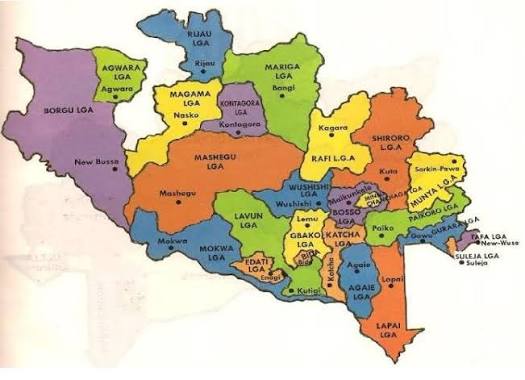
According to security reports, armed bandits attacked motorists along Tashar Lawali Road in Talata Mafara Local Government Area on May 18, killing a driver and abducting two local government officials.
The attack reportedly occurred near Jangebe District at approximately 11:20 a.m. when heavily armed gunmen blocked the roadway and opened fire on passing vehicles.
Eyewitness accounts indicate that the attackers specifically targeted a vehicle conveying local government personnel before forcing some occupants into the surrounding forest.
Among those abducted were Jamilu Sani, Director of Planning in Talata Mafara Local Government Area, and Muslimu Habibu, a councillor representing Jangebe Ward.
Another official, Samaila Ladan, attached to the local government’s Hajj Affairs Unit, reportedly sustained a gunshot wound to his right hand during the attack.
The vehicle driver, identified as Lawali Hakimi, was shot dead at the scene.
Security agencies are yet to announce the successful rescue of the abducted officials.
Communities Living Under Constant Fear
The frequency of attacks across Zamfara has created an atmosphere of fear and uncertainty among residents.
Farmers, traders, civil servants, students, and travellers now face significant risks while carrying out routine activities.
Several communities have reportedly adjusted their daily schedules, limited movement, and abandoned farmlands due to security concerns.
Local leaders continue to call for permanent security formations, improved road surveillance, and stronger collaboration between security agencies and community vigilante groups.
Human rights advocates have also urged authorities to provide support for victims’ families and develop long-term strategies aimed at addressing the root causes of insecurity.
Questions Over Nigeria’s Anti-Kidnapping Strategy
The killing of a victim after ransom payment raises difficult questions regarding Nigeria’s current response to kidnapping and banditry.
Security observers argue that while military operations have recorded successes in some areas, criminal networks continue to adapt their tactics and maintain operational capabilities.
Experts insist that defeating banditry requires a combination of military action, intelligence-driven operations, community engagement, technological surveillance, and socioeconomic interventions.
Without sustained efforts, they warn, incidents like Maru’s death may continue to undermine public confidence in government efforts to restore peace and security.
The death of Maru after his family reportedly paid ransom underscores the tragic human cost of Nigeria’s ongoing security crisis.
For grieving relatives, the loss represents not only a personal tragedy but also a painful reminder of the dangers confronting ordinary citizens across conflict-prone regions.
As Zamfara continues to battle persistent bandit attacks, pressure is mounting on security authorities and policymakers to deliver lasting solutions capable of protecting lives, restoring public confidence, and ending the cycle of violence that has plagued communities for years.











Leave a Reply