

Britain Targets TikTok, Facebook, Instagram, Snapchat, YouTube and X as Global Momentum Builds Against Digital Harm
By A1NEWS International
LONDON, UNITED KINGDOM — In what could become one of the most sweeping digital safety reforms in modern history, the United Kingdom has announced plans to prohibit children under the age of 16 from accessing major social media platforms, citing mounting evidence linking excessive online engagement to declining mental health, exposure to harmful content, and online exploitation.
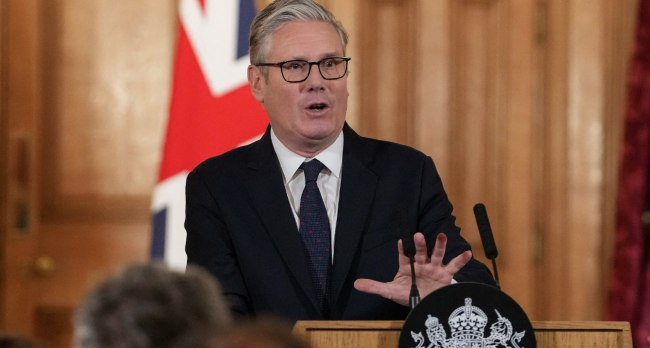
British Prime Minister Keir Starmer unveiled the proposal on Monday, describing social media platforms as systems intentionally engineered to keep children addicted while exposing them to dangerous and age-inappropriate content.
The proposed legislation, expected to be introduced before the end of the year and enforced from spring 2027, would block under-16s from using platforms such as TikTok, Instagram, Facebook, Snapchat, YouTube, and X, formerly Twitter.
The move places Britain at the forefront of an emerging global effort to regulate children’s access to digital platforms and curb what governments increasingly view as a public health and child protection crisis.
A Growing Concern Over Children’s Mental Health
Speaking during the announcement, Starmer argued that social media companies have failed to adequately protect young users despite years of warnings from mental health experts, educators, and child protection advocates.
According to the Prime Minister, evidence gathered through government consultations revealed widespread concern that social media is contributing to anxiety, depression, cyberbullying, self-harm exposure, and addictive behavioural patterns among children.
“These platforms are making children unhappy,” Starmer said, stressing that government intervention had become necessary because voluntary industry measures had proven insufficient.
The planned ban follows a nationwide consultation that attracted approximately 116,000 submissions, making it one of the largest public consultations in British history.
Government figures indicate overwhelming support for stricter regulations:
- 83 percent of participating parents said social media risks outweigh the benefits for children.
- 91 percent supported a minimum age of 16 for social media access.
The consultation also included trials involving British teenagers who tested app restrictions, screen-time limits, and social media-free periods.
Officials say the results significantly influenced the government’s decision.
Platforms Facing Restrictions
Under the proposed framework, access would be blocked to:
- TikTok
- Snapchat
- YouTube
- X (formerly Twitter)
However, messaging services such as WhatsApp are expected to remain exempt, reflecting the government’s distinction between social networking platforms and communication tools.
Officials have indicated that enforcement mechanisms are still being developed and could involve mandatory age-verification systems and platform accountability measures.
Beyond Social Media: Gaming and Livestreaming Under Scrutiny
The government’s digital safety initiative extends beyond social media.
Starmer disclosed that ministers are examining tougher regulations for gaming services and livestreaming platforms that permit direct interaction between children and unknown adults.
Drawing comparisons with real-world child safety practices, the Prime Minister questioned why digital environments should be treated differently.
“Would you allow your child to be paired with an unknown adult in the physical world? If the answer is no, then we must ask why it is acceptable online,” he said.
Although detailed measures have not yet been published, officials confirmed that additional proposals targeting online gaming and livestreaming services will be unveiled in July.
Among the options reportedly under consideration are:
- Overnight social media curfews for minors.
- Mandatory breaks in infinite scrolling features.
- Restrictions on algorithm-driven recommendations.
- Enhanced parental control systems.
- Stronger protections against online grooming.
Tech Industry Pushback Begins
The proposed restrictions have already drawn criticism from major technology companies.
A spokesperson for YouTube warned that a blanket social media ban could unintentionally push children toward less regulated and potentially more dangerous online spaces.
Technology firms have consistently argued that digital literacy, parental oversight, and platform moderation are more effective than outright bans.
However, policymakers increasingly believe self-regulation has failed to adequately address growing concerns surrounding children’s online experiences.
The debate now raises broader questions about balancing child protection with digital rights, freedom of expression, and access to educational content online.
Britain Follows Australia, Canada and Indonesia
The United Kingdom is not acting in isolation.
The proposed legislation follows Australia’s groundbreaking decision in December 2025 to become the first country in the world to prohibit social media access for individuals under 16.
The Australian policy triggered intense international debate but has since inspired similar discussions across multiple jurisdictions.
Canada recently introduced its Digital Safety Act, which would ban social media accounts for children under 16 while also requiring artificial intelligence services to limit harmful content generation.
Indonesia began enforcing its own social media restrictions for users under 16 earlier this year.
Meanwhile, several European governments are exploring comparable measures amid growing concerns about digital addiction and online safety.
The trend signals a significant shift in how governments worldwide are approaching internet governance and child protection in the digital age.
New Front in the Fight Against Online Child Exploitation
The social media proposal comes just days after Britain announced separate measures requiring technology companies to prevent children from sending, receiving, or storing nude images on personal devices.
The UK Home Office has given major technology firms, including Apple and Google, three months to implement safeguards capable of detecting and blocking such content.
Failure to comply could trigger mandatory legislation compelling companies to activate protective technologies.
Government officials argue these measures are essential in combating sextortion, coercion, online grooming, and child sexual abuse.
According to analysis from the Internet Watch Foundation, cited by British authorities, an alarming 91 percent of child sexual abuse reports recorded in 2024 involved self-generated content created by children themselves.
The findings underscore growing concerns that predators increasingly exploit social media and private messaging systems to manipulate minors into sharing explicit material.
Technology Firms Face Mounting Pressure
The Labour government insists technology companies have a moral obligation to protect children rather than prioritise user engagement and advertising revenues.
Officials argue that digital platforms have long benefited from children’s attention while failing to adequately address the associated risks.
The proposed reforms would also tighten access to online pornography and make it more difficult for offenders to target minors through digital platforms.
Child protection groups have largely welcomed the government’s actions, describing them as long overdue in an era where children’s social lives increasingly unfold online.
What Happens Next?
The British government plans to publish detailed proposals in July before introducing legislation later this year.
If approved by Parliament, the law could take effect by spring 2027, making Britain one of the world’s most aggressive regulators of children’s online activity.
The initiative is likely to trigger legal challenges, intense lobbying from technology companies, and broader international debates about the future of children’s rights in digital spaces.
Yet for policymakers, the central question remains whether unrestricted access to social media has become too high a price for younger generations to pay.
As governments across the globe confront rising concerns over mental health, online exploitation, and digital addiction, Britain’s proposal may mark a pivotal turning point in the battle to redefine childhood in the internet age.
The United Kingdom’s proposed social media ban for under-16s reflects a growing global consensus that stronger intervention may be necessary to protect children from the harmful effects of the digital world. With Australia, Canada, Indonesia, and several European nations pursuing similar paths, the debate has shifted from whether governments should regulate children’s online access to how far those regulations should go. As Britain prepares to enact one of the most comprehensive child online safety laws in the world, the outcome could reshape the relationship between young people, technology companies, and the internet for years to come.











Leave a Reply