
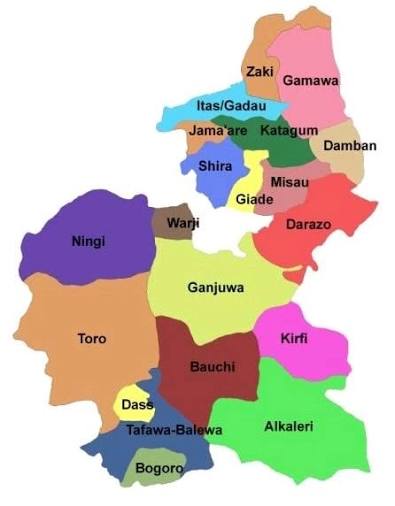
Six PCR-confirmed Vibrio cholerae O1 Ogawa cases trigger official outbreak declaration as Bauchi activates multisectoral emergency response amid rising Acute Watery Diarrhoea cases
By Amina Toro
BAUCHI, Nigeria — August 7, 2026
The Bauchi State Government has officially declared a cholera outbreak after laboratory investigations confirmed active transmission of the disease amid a growing number of Acute Watery Diarrhoea (AWD) cases across the state.
As of July 31, 2026, the Bauchi State Ministry of Health and Social Welfare reported 398 suspected cholera cases across 13 Local Government Areas (LGAs), with 16 deaths, representing a reported case fatality rate of 4 per cent.
The declaration, contained in an outbreak notification signed by the Commissioner for Health and Social Welfare, Dr. Sani Mohammed Dambam, followed epidemiological assessments and laboratory confirmation of six cases of Vibrio cholerae O1 Ogawa through PCR testing.
The development has triggered a coordinated public-health response involving disease surveillance, laboratory services, treatment centres, water, sanitation and hygiene interventions, logistics, infection prevention and control, and community risk communication.
However, the spread across multiple LGAs and the reported deaths raise concerns over the speed of detection, access to treatment, sanitation conditions and the capacity of affected communities to prevent further transmission.
398 Suspected Cases Across 13 LGAs
According to the state government’s situation analysis, 398 suspected cholera cases had been recorded in 13 LGAs by July 31.
The distribution shows a significant concentration of reported cases in a number of LGAs.
Reported figures include:
- Toro — 231 cases
- Alkaleri — 46 cases
- Kirfi — 46 cases
- Ganjuwa — 21 cases
- Bauchi — 14 cases
- Tafawa Balewa — 14 cases
The figures indicate that Toro alone accounted for more than half of the suspected cases reported by the state as of the cut-off date.
The government also reported 16 deaths, producing a case fatality rate of 4 per cent.
While the figures are classified as suspected cases, the laboratory confirmation of cholera transmission provides the basis for the official outbreak declaration.
Six PCR-Confirmed Cases Establish Active Transmission
A critical development in the outbreak investigation was the laboratory confirmation of six cases of Vibrio cholerae O1 Ogawa.
The state government said PCR testing provided definitive laboratory evidence of cholera transmission in Bauchi.
This distinction is important in understanding the situation.
The 398 figure represents suspected cases, while the six PCR-positive cases represent laboratory-confirmed infections identified by the authorities.
The Commissioner said the combination of laboratory confirmation and the increasing number of suspected cases across several LGAs met the epidemiological and laboratory requirements for declaring an outbreak.
The declaration was made in accordance with the International Health Regulations (2005), the National Technical Guidelines for Cholera Preparedness and Response, and public-health emergency management procedures of the Federal Ministry of Health and Social Welfare.
Why the Outbreak Declaration Matters
Cholera is a water- and sanitation-related disease, meaning the ability to contain transmission depends heavily on factors extending beyond hospitals and medical treatment.
The Bauchi declaration therefore places the response on a broader emergency footing.
The state government says its intervention now covers several critical areas, including:
- Disease surveillance
- Laboratory testing
- Case management
- Water, sanitation and hygiene (WASH)
- Infection prevention and control
- Emergency logistics
- Risk communication
- Community engagement
- Coordination among government and response partners
The breadth of the response reflects the recognition that treating individual patients alone will not stop transmission if the environmental and community conditions that facilitate the spread remain unresolved.
Toro Emerges as Epicentre of Reported Cases
The reported distribution of cases raises particular concern over Toro Local Government Area, which recorded 231 suspected cases.
That figure is substantially higher than the numbers reported in the other five most affected LGAs identified by the state.
Alkaleri and Kirfi each recorded 46 cases, while Ganjuwa recorded 21. Bauchi and Tafawa Balewa recorded 14 cases each.
The concentration of cases in Toro makes the LGA a critical area for surveillance, rapid case identification, treatment, contact and community-level prevention measures.
The state government’s deployment of Rapid Response Teams to affected LGAs is therefore expected to play a central role in identifying new cases and limiting further transmission.
Government Activates Emergency Response
Dr. Dambam said the state government had activated a coordinated multisectoral response following the outbreak declaration.
Rapid Response Teams have reportedly been deployed to affected LGAs, while treatment centres have been strengthened.
The government also said essential medical supplies had been mobilised to support treatment and containment efforts.
The response involves multiple components because cholera outbreaks require simultaneous action on surveillance, clinical management, laboratory confirmation, sanitation and public communication.
The state government’s approach is therefore designed to address both the immediate medical needs of patients and the wider conditions that could facilitate continued transmission.
WASH Becomes Critical to Containment
One of the most significant components of the response is water, sanitation and hygiene, commonly referred to as WASH.
The inclusion of WASH in the state’s emergency response is particularly important because effective cholera control depends on preventing contamination of water and food and improving hygiene practices.
The outbreak therefore presents a test not only for the state’s health facilities but also for its capacity to coordinate public-health interventions beyond hospitals and treatment centres.
For communities in affected areas, access to safe water, proper sanitation and accurate information about prevention measures can become as important as access to medical treatment.
16 Deaths Raise Questions About Early Detection and Access to Care
The reported 16 deaths have added urgency to the government’s response.
Although the state has not, in the supplied notification, attributed the deaths to any particular delay or failure in the health system, the fatality figure highlights the importance of early detection and prompt treatment.
The investigation into the outbreak should therefore continue to examine how quickly suspected cases were identified, how rapidly patients reached treatment facilities and whether health facilities in affected communities had adequate resources to manage severe cases.
These questions are particularly relevant as suspected cases have been reported across 13 LGAs.
Community Awareness Becomes a Frontline Defence
The state government has also included risk communication and community engagement in its response strategy.
This component is crucial because containing an outbreak requires communities to recognise symptoms quickly and seek medical attention promptly.
The government’s communication effort will also need to ensure that residents understand appropriate preventive measures and know where to obtain treatment.
Accurate information is particularly important during outbreaks because rumours, misinformation or delays in seeking care can complicate emergency response efforts.
Development Partners Asked to Support Response
The Bauchi Government has appealed to development partners and donor agencies for additional resources and technical assistance.
Dr. Dambam urged partners to support the state government’s efforts to contain the outbreak and strengthen the ongoing response.
The appeal suggests that the state intends to expand the response beyond its immediate emergency interventions and mobilise additional technical and material support.
Such support could be critical as authorities continue surveillance across affected LGAs and respond to potential new cases.
The Questions Authorities Must Now Answer
Beyond the immediate response, the outbreak raises several issues that require continued monitoring.
1. What is driving the concentration of cases in Toro?
With 231 suspected cases, Toro accounts for the largest reported concentration and requires detailed epidemiological assessment.
2. Are the 398 suspected cases increasing or stabilising?
The available figures are as of July 31. Continued surveillance will be necessary to determine whether transmission is accelerating or coming under control.
3. What caused the reported 16 deaths?
Authorities will need to establish the circumstances surrounding the fatalities, including whether patients arrived at treatment facilities late or whether other factors contributed.
4. Are affected communities receiving adequate WASH support?
Because cholera transmission is closely linked to water and sanitation, medical treatment alone cannot sustainably contain the outbreak.
5. Are treatment facilities adequately equipped?
The strengthening of treatment centres and mobilisation of essential supplies will need to be sustained if additional cases are reported.
6. How quickly can new cases be detected?
Effective surveillance across all 13 affected LGAs will be critical to preventing isolated infections from developing into larger clusters.
From Declaration to Containment
The declaration of an outbreak is only the beginning of the public-health response.
The real test for Bauchi authorities will be whether the emergency measures reduce new infections, prevent additional deaths and stop transmission from spreading to additional communities.
The reported six PCR-confirmed cases have established laboratory evidence of cholera transmission, while the 398 suspected cases demonstrate the scale of the surveillance challenge confronting the state.
With 16 deaths already reported, the margin for delayed intervention is narrow.
The effectiveness of the state’s response will ultimately depend on the speed of surveillance, access to treatment, availability of safe water, sanitation interventions, community cooperation and sustained coordination among government agencies and development partners.
Bauchi State’s declaration of a cholera outbreak marks a significant escalation of the state’s public-health response after laboratory confirmation of Vibrio cholerae O1 Ogawa and the reporting of 398 suspected cases and 16 deaths across 13 LGAs.
The concentration of cases in Toro and the spread across several other LGAs make sustained surveillance and rapid intervention essential.
For the state government, the immediate priority is clear: identify cases early, treat patients quickly, prevent further transmission and protect communities from additional deaths.
But the longer-term lesson extends beyond the present outbreak.
Containing cholera requires more than emergency treatment. It requires reliable disease surveillance, safe water, adequate sanitation, strong community health education and resilient primary healthcare systems.
The coming weeks will therefore determine whether Bauchi can turn its emergency declaration into effective containment—or whether the outbreak will continue to expand beyond the communities already affected.








Leave a Reply