
Commission Targets Physical, Psychological and Financial Abuse as Vulnerable Groups Directorate Intensifies Awareness and Staff Training
By A1NEWS International
ABUJA, Sept. 22, 2026 — The National Human Rights Commission (NHRC) has begun strengthening the capacity of its officers to detect, document, investigate and respond to violations against older persons as part of efforts to confront the growing human rights challenges associated with elder abuse in Nigeria.
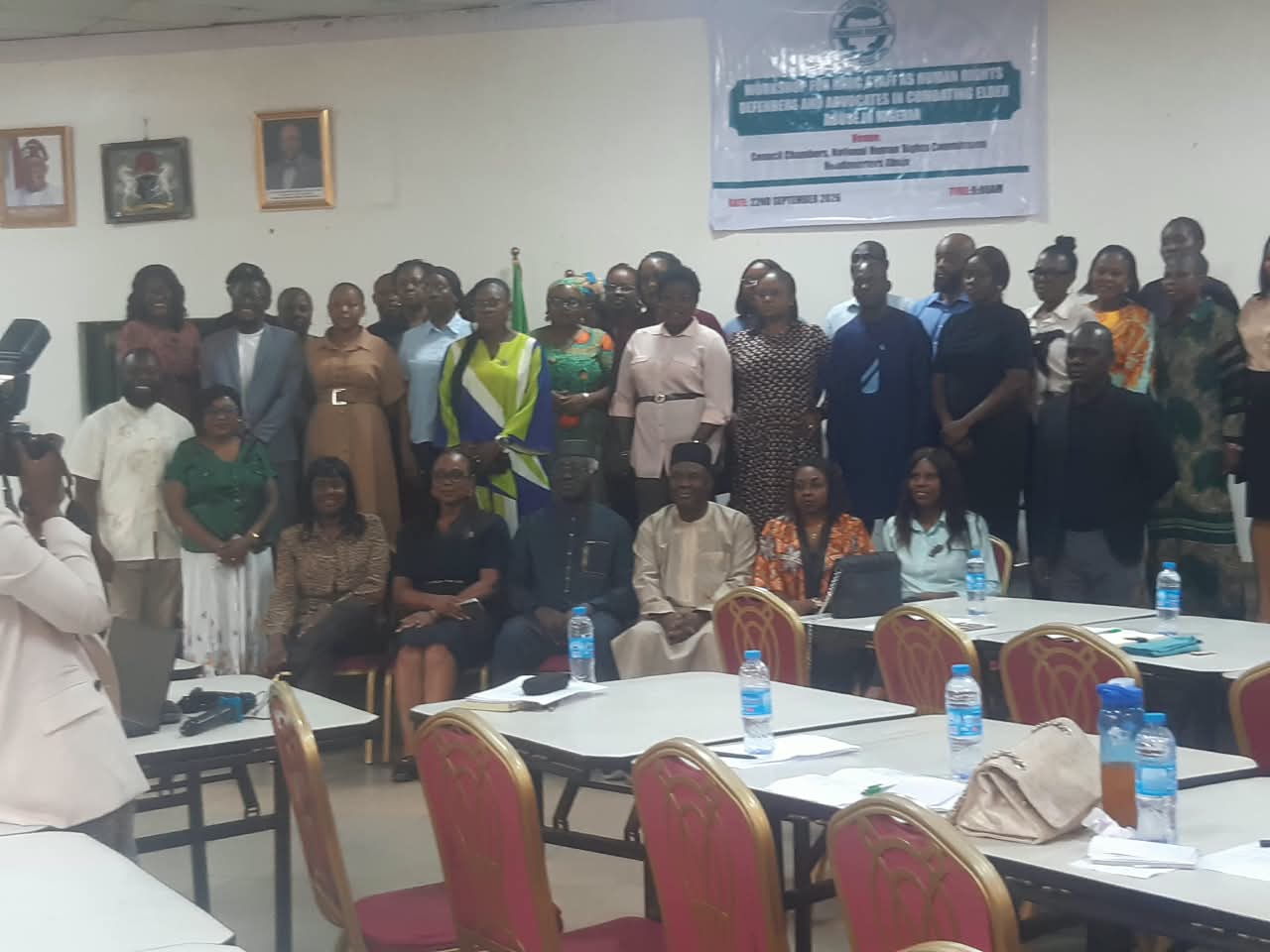
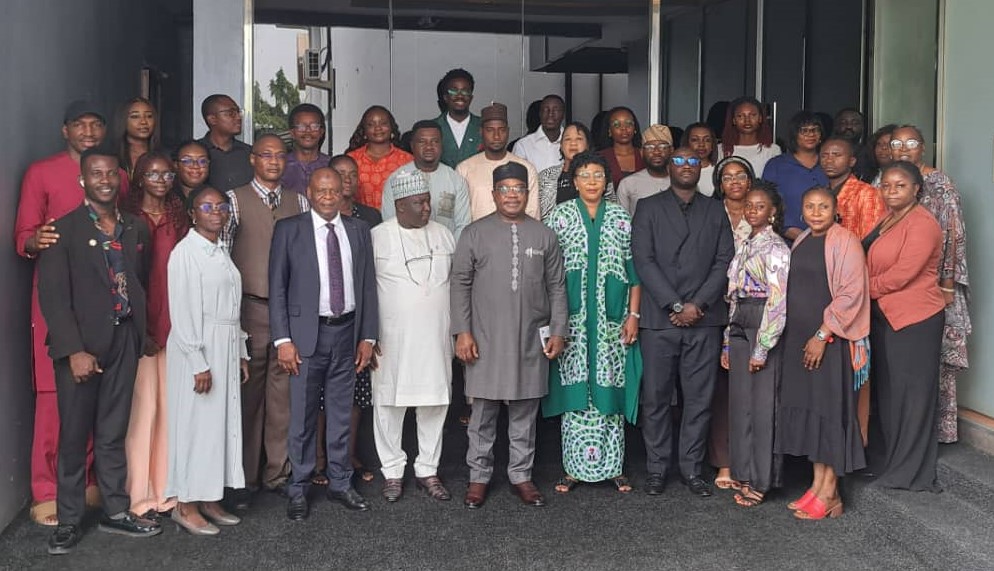
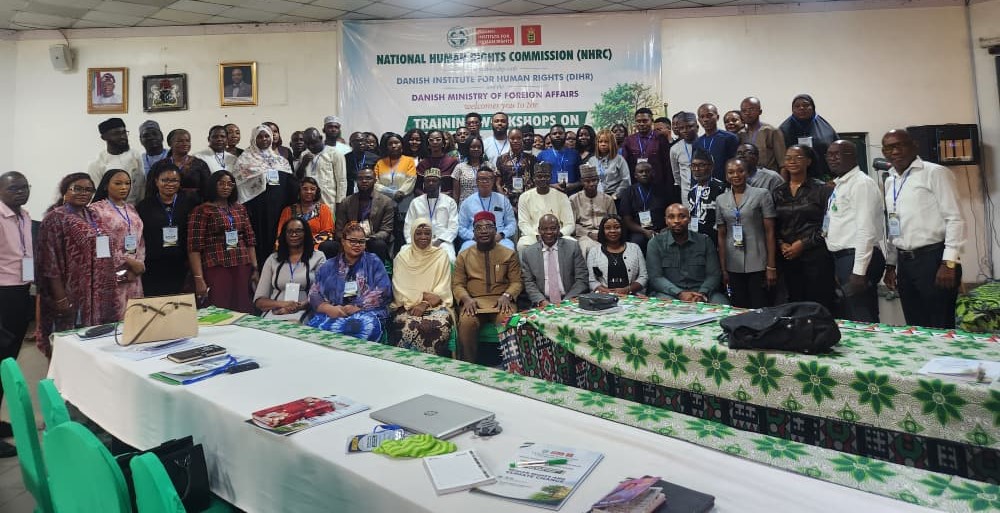
The initiative formed part of a specialised training programme on “Human Rights Offenders and Advocates in Combating Elder Abuse,” held at the Bukar Bello Auditorium, NHRC headquarters, Abuja, where officials emphasised the need to move elder-abuse prevention beyond awareness campaigns to institutional capacity-building and effective rights protection.
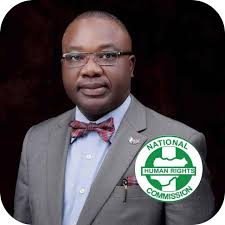
The Executive Secretary of the Commission, Chief Tony Ojukwu, said the programme was both timely and necessary, particularly as Nigeria experiences increasing life expectancy and a growing population of older persons.
Ojukwu said the development, while reflecting improvements in healthcare and longevity, has also brought renewed attention to vulnerabilities affecting elderly Nigerians, including physical and psychological abuse, financial exploitation, neglect and harmful traditional practices.
Elder Abuse Often Remains Hidden
One of the central concerns raised during the programme was the largely hidden nature of abuse against older persons.
According to the NHRC, many elderly people continue to suffer violations in silence, with cases sometimes remaining undetected within families, communities and institutional structures.
The problem creates a particular challenge for human rights institutions because abuse may occur in private environments where victims are dependent on relatives or caregivers and may have limited capacity or opportunity to report their experiences.
For the Commission, identifying such violations requires personnel who understand the rights of older persons and can recognise warning signs, document complaints and initiate appropriate investigative and advocacy responses.
NHRC: Older Persons Are Rights-Holders
Ojukwu reiterated that the NHRC’s mandate to promote, protect and enforce human rights applies to older persons without discrimination.
He stressed that elderly Nigerians should not be treated merely as beneficiaries of welfare or family support but as rights-holders entitled to dignity, equality and protection under the law.
The position places elder abuse within the wider human rights framework and shifts attention from viewing the problem exclusively as a family, healthcare or social-welfare matter.
It also places responsibility on institutions and individuals to ensure that age does not become a basis for neglect, exploitation, discrimination or denial of fundamental rights.
Training Designed to Strengthen Investigation and Advocacy
The NHRC Executive Secretary said the training was designed to equip officers with practical knowledge and tools to address violations affecting older persons.
The programme seeks to deepen participants’ understanding of the rights of older persons under national, regional and international human rights frameworks while strengthening their ability to identify, document and investigate alleged violations.
Among the key objectives are to:
Improve staff capacity to recognise different forms of elder abuse;
Strengthen documentation and investigation of complaints;
Develop effective advocacy skills;
Promote engagement with government institutions, civil society and communities;
Advance a rights-based approach to interventions involving older persons; and
Improve the Commission’s ability to protect vulnerable elderly persons whose rights may be threatened.
The focus on investigation and documentation is significant because identifying abuse is only the first stage of an effective human rights response. Complaints must also be properly documented, investigated and referred for appropriate intervention.
VGD Department Takes Awareness Campaign to NHRC Staff
The Commission’s Vulnerable Group Development (VGD) Department is also playing a central role in the initiative.
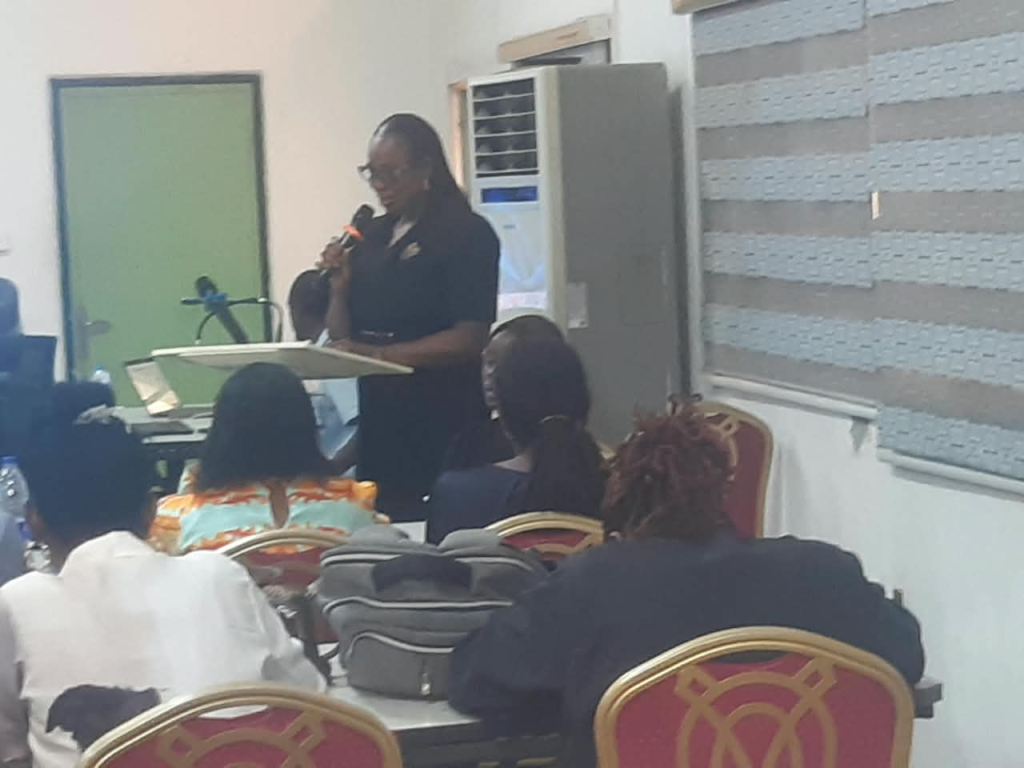
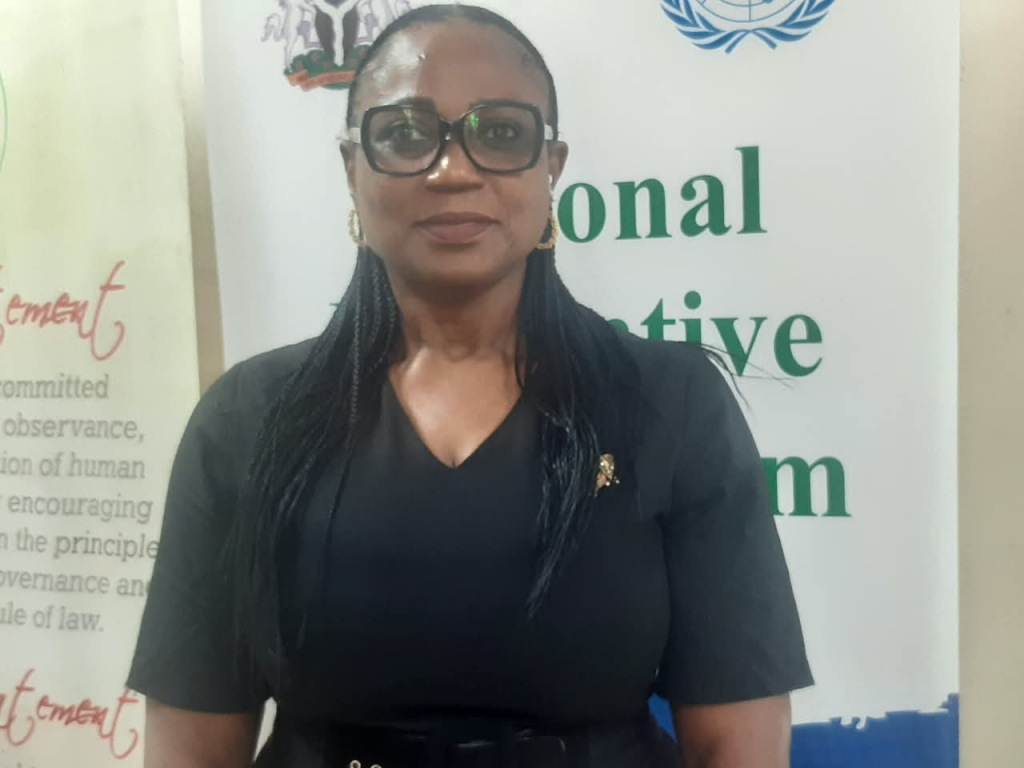
Speaking during the programme, Jennifer Aga, Director, Vulnerable Group Development (VGD), NHRC, explained that the department was implementing measures aimed at combating elder abuse under the directives of the Executive Secretary.
Aga said one of the department’s principal strategies was awareness creation, beginning within the Commission itself.
She explained that NHRC officers must first be equipped to recognise violations before they can effectively protect members of the public who are subjected to abuse.
According to her, the current training is therefore intended to ensure that Commission personnel understand the rights of older persons, recognise violations and know how to respond when such cases come to their attention.
‘We Start From Home’
Aga stressed that the protection of older persons must also begin within families and households.
She said the training encourages officers to reflect on how elderly parents and relatives are treated at home, arguing that respect for older persons should not be limited to professional responsibilities.
Her remarks underscored the Commission’s emphasis on an approach that combines institutional training with personal responsibility.
The VGD director said the Commission was beginning with its own personnel because officers who understand and practise respect for older persons within their families would be better positioned to recognise and respond to violations affecting other elderly Nigerians.
The principle, she suggested, is that “charity begins at home” — meaning that institutional advocacy must be reinforced by responsible conduct within households and communities.
From Awareness to Institutional Response
The NHRC’s approach indicates an effort to move beyond simply raising public awareness about elder abuse.
Training frontline officers creates an institutional layer through which cases can potentially be identified, documented and channelled into appropriate human rights mechanisms.
This is particularly relevant where older persons may lack the financial independence, social support or institutional access required to challenge violations themselves.
The Commission’s intervention therefore combines three interconnected areas: awareness, capacity-building and advocacy.
The effectiveness of that approach will ultimately depend on whether increased staff knowledge translates into better complaint handling, investigation, protection and access to remedies for victims.
Stakeholder Collaboration Considered Essential
Ojukwu also identified collaboration with government agencies, civil society organisations and communities as essential to combating abuse against older persons.
The Commission recognises that elder abuse cannot be addressed by a single institution because the problem cuts across human rights, healthcare, family welfare, social protection, justice and community structures.
A coordinated response would therefore require relevant institutions and community actors to recognise their respective responsibilities and ensure that complaints involving older persons do not disappear within institutional gaps.
Elder Abuse Has Multiple Dimensions
The NHRC’s concerns extend beyond physical violence.
Elder abuse can also involve psychological harm, financial exploitation, neglect and harmful traditional practices.
Financial exploitation, for instance, can undermine an older person’s independence and dignity, while neglect can expose elderly people to avoidable physical and psychological suffering.
Psychological abuse may be less visible than physical violence but can equally affect an individual’s dignity and wellbeing.
The broad range of potential violations makes specialised training important for investigators and human rights defenders who must distinguish between ordinary family disputes and conduct that amounts to a violation of protected rights.
Human Rights Defence Requires More Than Professional Duty
Ojukwu urged participants to approach their responsibilities as human rights defenders with justice, empathy and courage.
He said frontline officers of the Commission have a role in ensuring that older persons are heard, their grievances addressed and their dignity protected.
The message places the NHRC’s staff at an important point in the protection chain: they must not only receive and process complaints but also understand the circumstances that may prevent vulnerable victims from speaking for themselves.
Nigeria’s Ageing Population and Emerging Rights Questions
The issue of elder abuse is becoming increasingly relevant as improvements in healthcare and life expectancy contribute to longer lives.
Longer life expectancy, however, also raises questions about access to healthcare, financial security, family support, social inclusion, autonomy and protection from violence and exploitation.
For older Nigerians facing poverty or dependence on family members and caregivers, those challenges may become more acute.
The human rights implications therefore extend beyond individual cases and touch on broader questions of social protection and institutional responsibility.
What the NHRC Training Could Mean
The immediate objective of the programme is to improve the ability of NHRC personnel to recognise and respond to violations.
But its wider significance lies in strengthening the Commission’s institutional capacity to deal with cases that may otherwise remain hidden.
If the training is followed by effective complaint mechanisms, proper documentation, timely investigation, stakeholder intervention and appropriate remedies, it could contribute to a more structured response to elder abuse.
The Commission’s challenge, however, will be ensuring that knowledge acquired during training is translated into consistent action at the point where vulnerable older persons actually seek assistance.
The NHRC’s specialised training on combating elder abuse represents an institutional effort to place the rights of older persons more firmly within Nigeria’s human rights protection framework.
With the Commission’s Vulnerable Group Development Department focusing on awareness and staff capacity, and the Executive Secretary emphasising investigation, advocacy and protection, the programme seeks to strengthen the chain between identifying abuse and responding to it.
For older Nigerians who suffer abuse behind closed doors, the critical test will be whether increased institutional awareness leads to greater visibility of violations, stronger investigations and meaningful protection.
The Commission’s message is clear: age does not diminish human rights, and protecting older persons must begin not only in government institutions but also within families and communities.









Leave a Reply