
Federal Infrastructure Upgrades Target Increased Capacity, Improved Passenger Experience and Regional Economic Growth
By Chijioke Udenta – June 18, 2026
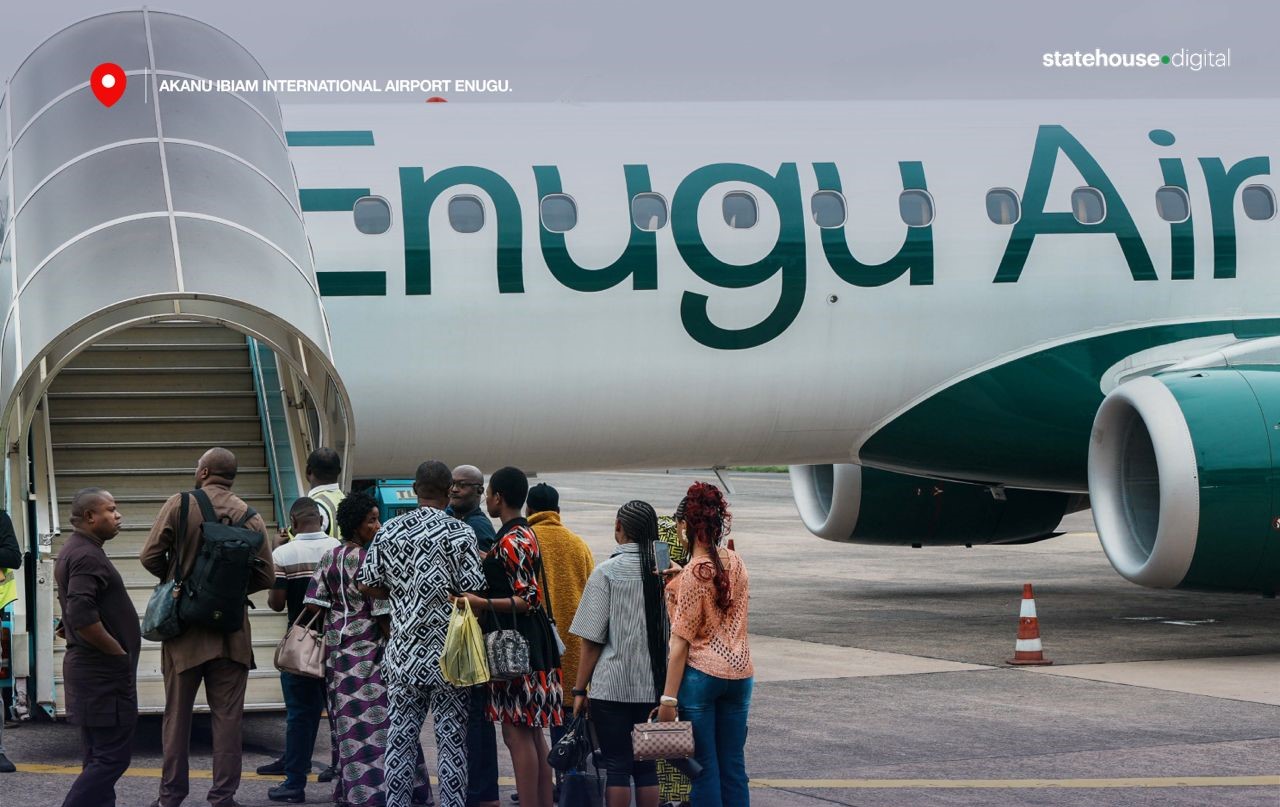
ENUGU, Nigeria – Fresh efforts to modernise and expand the Akanu Ibiam International Airport, Enugu, are rekindling hopes that the facility could evolve into a major aviation hub for Nigeria’s South-East region, amid growing demands for improved air connectivity, passenger convenience and regional economic integration.
As one of the country’s strategically located international airports, the federal government-owned facility continues to play a vital role in facilitating movement of passengers, businesses and investments across the South-East. However, aviation stakeholders argue that significant infrastructure upgrades remain necessary if the airport is to fully realize its international status and unlock its economic potential.
Industry observers say ongoing discussions involving the Federal Airports Authority of Nigeria (FAAN), aviation regulators, government agencies and regional stakeholders reflect increasing recognition of the airport’s importance in supporting commerce, tourism and investment across the region.
A Strategic Gateway for the South-East
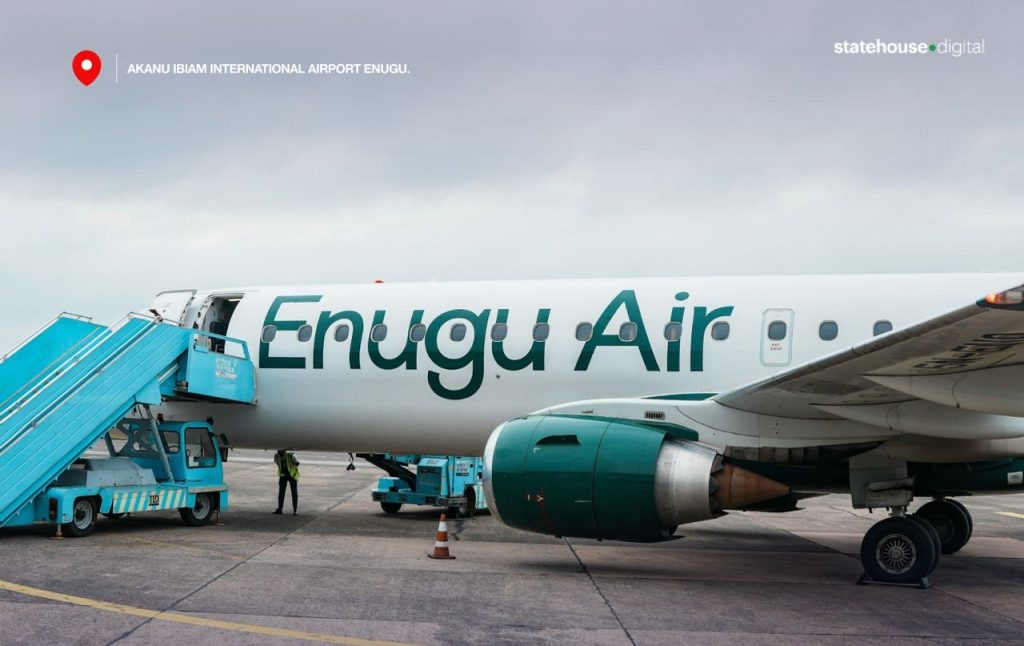
The Akanu Ibiam International Airport serves as the principal aviation gateway to Enugu State and neighbouring states in the South-East geopolitical zone.
Operated by FAAN, the airport currently handles both domestic arrivals and departures through a single main terminal, with flight schedules dominated by high-demand domestic routes linking Enugu to Abuja and Lagos.
These routes remain critical for business travelers, government officials, entrepreneurs, students and tourists who rely heavily on air transportation due to increasing road travel challenges and security concerns in some parts of the country.
Despite its international designation, aviation analysts note that regular international flight operations remain relatively limited compared to airports in Lagos and Abuja.
This situation, experts argue, highlights the need for continued investment in airport infrastructure, passenger handling facilities and supporting aviation services to attract more international carriers.
Infrastructure Capacity and Operational Strength
One of the airport’s major operational assets is its approximately 3,000-metre asphalt runway, which is capable of accommodating medium-sized and large commercial aircraft under approved operational conditions.
The runway provides the technical foundation required for expanded aviation services and positions the airport to handle increased traffic should future infrastructure improvements attract more airline operators.
Historical aviation statistics indicate that passenger traffic through the airport has fluctuated between approximately 350,000 and 500,000 passengers annually, reflecting its significance within Nigeria’s domestic aviation network.
While these figures place the airport among the important regional gateways in the country, analysts believe passenger volumes could grow substantially if infrastructure constraints are addressed and additional routes are introduced.
Modernisation Plans Gain Momentum
Federal authorities and aviation stakeholders have continued consultations aimed at improving the airport’s operational efficiency and passenger experience.
Among the key areas identified for enhancement are:
- Expansion and modernization of terminal facilities.
- Upgrading passenger processing systems.
- Improved security and screening infrastructure.
- Enhanced baggage handling operations.
- Better operational support services.
- Increased capacity for future international operations.
Industry experts note that modern airport infrastructure is no longer viewed solely as a transportation requirement but increasingly as a catalyst for economic development.
According to aviation development specialists, airports that provide efficient passenger processing, modern facilities and reliable connectivity often attract greater investment, tourism and business activities.

Economic Impact Beyond Aviation
Beyond transportation, stakeholders argue that improvements at Akanu Ibiam International Airport could generate significant economic benefits across the South-East region.
The airport serves as an important gateway for:
- Business travel.
- Trade and commerce.
- Tourism development.
- Conference and event tourism.
- Diaspora engagement.
- Foreign investment opportunities.
Economic analysts believe enhanced airport infrastructure could encourage multinational companies and investors to expand operations within the region by improving accessibility and reducing travel bottlenecks.
The South-East remains one of Nigeria’s most commercially vibrant regions, with strong entrepreneurial activity, manufacturing enterprises and a substantial diaspora population whose travel patterns contribute significantly to passenger demand.
Challenges Facing Full International Operations
Despite its strategic importance, several challenges continue to affect the airport’s ability to maximize its international aviation potential.
These include:
- Limited international flight frequencies.
- Infrastructure constraints.
- Need for expanded terminal capacity.
- Operational modernization requirements.
- Competition from larger aviation hubs.
Aviation stakeholders maintain that sustained investment and policy support will be necessary to address these limitations and position the airport as a competitive regional gateway.
Experts also stress the importance of aligning infrastructure development with broader national aviation policies aimed at increasing air travel accessibility and strengthening regional airports.
Stakeholders Call for Accelerated Implementation
Business groups, aviation professionals and regional development advocates have consistently called for accelerated implementation of modernization projects at the airport.
Many believe that timely completion of infrastructure improvements would not only improve passenger satisfaction but also contribute to job creation, economic diversification and enhanced regional integration.
They argue that the South-East’s growing population, expanding commercial activities and increasing travel demand justify continued federal investment in the facility.

As Nigeria seeks to strengthen its aviation sector and improve regional connectivity, the ongoing modernization efforts at Akanu Ibiam International Airport represent a significant opportunity for the South-East.
While the airport already serves as a critical transportation gateway, stakeholders believe strategic investments in infrastructure, operational efficiency and passenger services could transform it into a more competitive aviation hub capable of driving economic growth and supporting broader national development objectives.
The success of these efforts, however, will depend on sustained government commitment, effective implementation of modernization projects and continued collaboration among aviation stakeholders determined to unlock the airport’s full potential.













Leave a Reply