
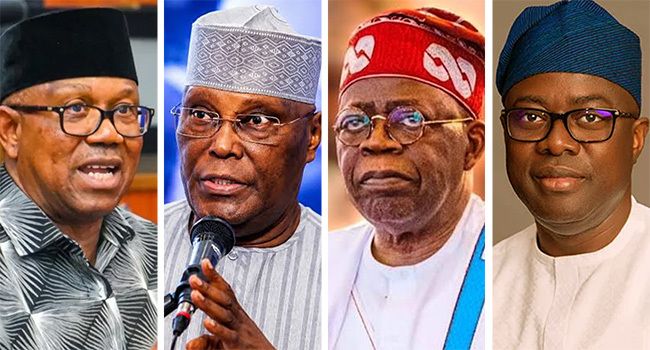
Investigations suggest Nigeria’s 2027 campaign may hinge less on party structures and more on how seriously candidates translate economic realities and youth expectations into credible voting choices—after INEC recorded 9,324,349 newly registered young voters in 2026.
By A1NEWS International
ABUJA — October 3, 2026
Nigeria’s political class has spent much of the year measuring influence the familiar way—counting governors, senators, defections, endorsements, and claimed state structures. But a new count has already happened outside the usual political arithmetic, and it may prove more decisive than any roster of “who controls what.”
According to the Independent National Electoral Commission (INEC), 9,324,349 young Nigerians were added to the voters’ register during the 2026 Continuous Voter Registration exercise. The figure matters not because it is loud—unlike rallies, social media trends or opinion polls—but because it represents potential turnout: a fresh, sizeable voting bloc positioned to shape the mood and outcome of Nigeria’s next national election.
The “Big Number” That Doesn’t Automatically Become Votes
While politicians may be tempted to convert youth registrations into immediate party projections, the reality is more complex. Young Nigerians are not a political party. They may share frustration and ambition, but the ballot is still shaped by personal experience—employment opportunities, cost of living, security, access to affordable credit, and the everyday credibility of campaign promises.
As campaigns build towards 2027, the first investigative challenge for all stakeholders is straightforward: 9.3 million registrations do not automatically equal votes. What determines whether those new registrants show up in January is whether candidates can persuade them that voting will change their material reality.
Tinubu’s Bridge: From Reforms to “Household Believability”
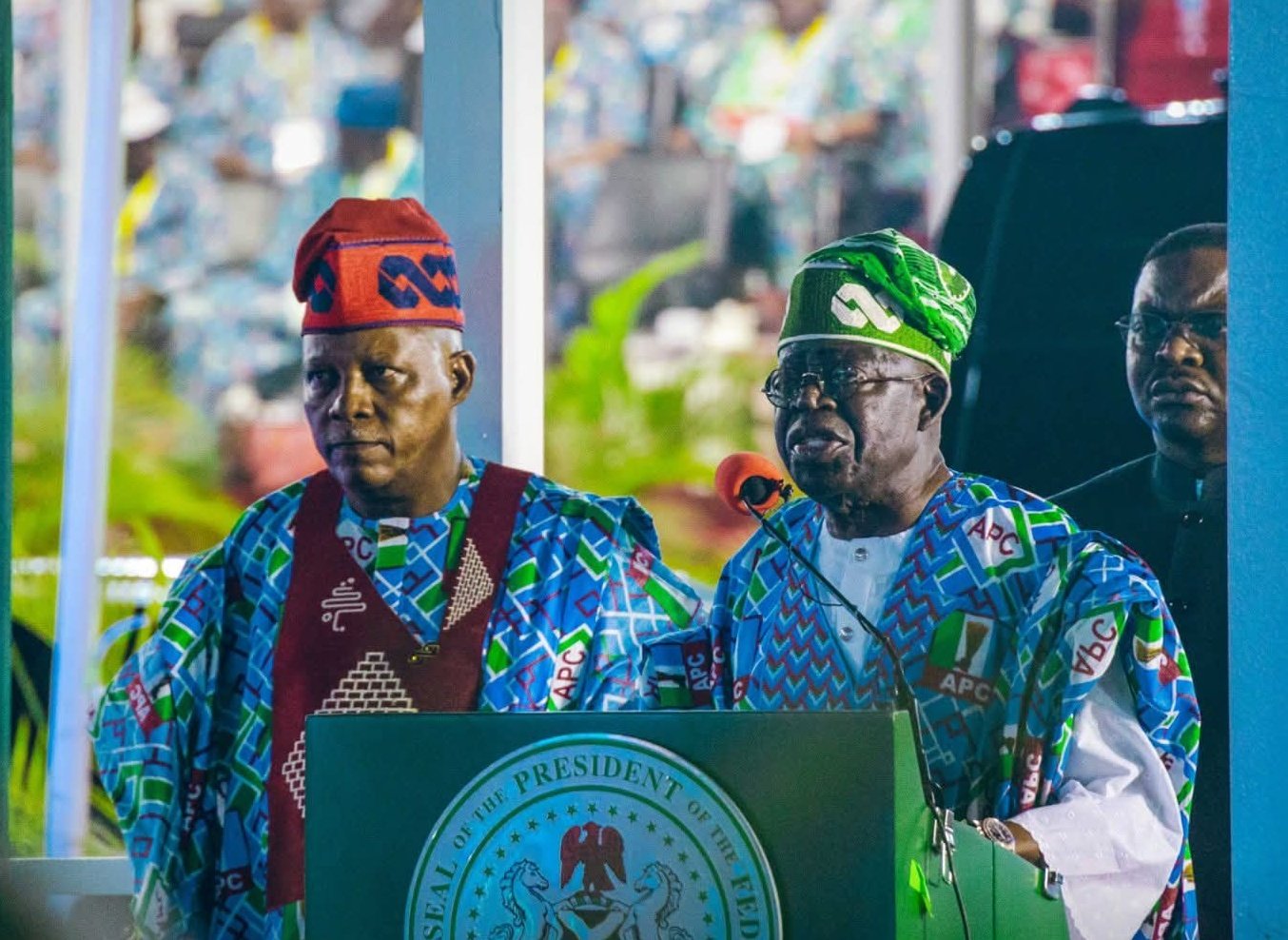
President Bola Tinubu has framed the Independence Day narrative around the idea that Nigeria’s “emergency treatment” is ending, pointing to indicators including economic growth above four per cent, moderating inflation, stronger reserves, improved foreign exchange stability, and rising non-oil exports.
But as A1NEWS International analysis indicates, elections are rarely decided on spreadsheets alone. They are decided in homes and markets—where the price of staples matters more than macroeconomic dashboards, and where job seekers judge policy by whether a new application leads to silence or opportunity.
For Tinubu, the central campaign task before January is to cross a gap: from reforms on paper to relief in lived experience. The question for voters will be whether statistical improvement translates into purchasing power, stable livelihoods, and tangible security of daily life.
Atiku’s Counter: Look Past the Dashboard
Opposition messaging, led by Atiku Abubakar, reportedly leans into the question of perception and lived conditions—poverty, insecurity, reduced purchasing power, and the cost of living. The political contest, therefore, is no longer only about what the government claims is improving, but about why voters may not “feel” it.
In this framing, Tinubu’s campaign argues reforms are beginning to work. The opposition argues that if they are working, Nigerians should be seeing it in the economy of everyday life. Between these two narratives—statistics versus experience—the election becomes a referendum on credibility.
The Youth Meter Starts Ticking: Work, Food, Safety, and Opportunity
The most important investigative implication of the 2026 registration surge is what it means for campaign design. A campaign strategy that focuses only on ideology, identity, and youth symbolism may fail if it does not answer youth’s practical questions:
- Can young people find work?
- Has food and transport cost reduced meaningfully?
- Is the naira stability translating into lower household strain?
- Is it easier to start businesses?
- Are affordable credit and safe communities becoming real?
These are no longer abstract policy questions; they are the criteria young voters use to judge candidates. The campaign that wins the youth block is expected to make the future feel believable—not just appealing.
Ground Game Still Matters: Organisation vs Spectacle
Beyond youth, recent political signals also point to the continued power of structure. A key benchmark cited in contemporary political analysis is the performance of parties in legislative by-elections—where organisation, discipline, logistics and turnout operations often determine outcomes even when social media creates attention.
In Nigeria’s electoral environment, momentum can generate crowds, but winners typically secure votes through less visible systems: polling unit engagement, ward-level coordination, collation-centre planning, legal readiness, transport management, data discipline, and disciplined voter follow-through.
If youth registrations become a new surge in the register, then ground operations become the bridge between having voters and mobilizing voters.
The Wike Experiment: Can Influence Be Sliced and Still Deliver?
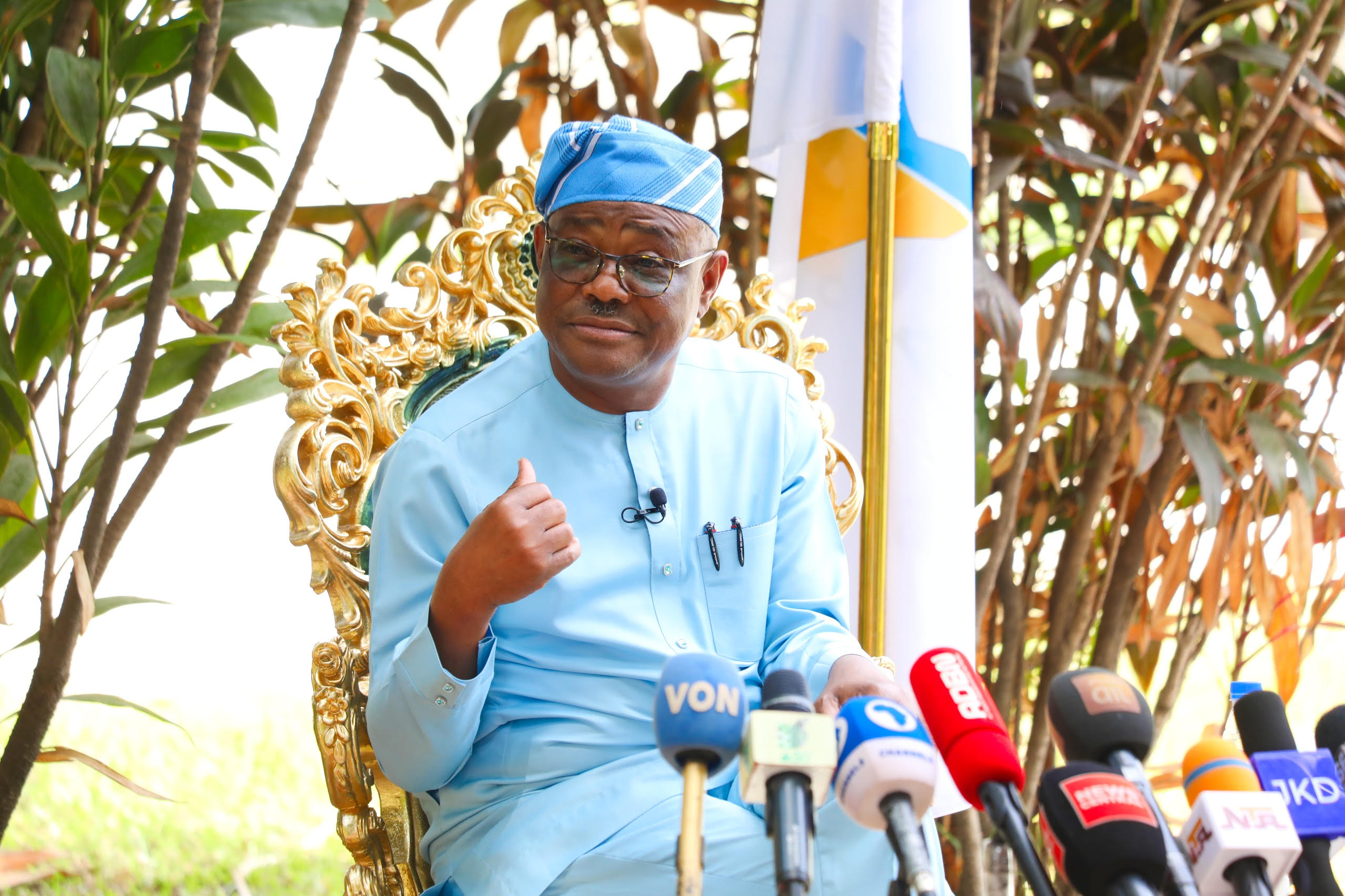
Another investigative question is the growing prominence of cross-party influence and “Rainbow Coalition” strategies associated with Nyesom Wike, who has been linked to efforts to deliver Rivers State and the FCT for Tinubu while projecting broader political alignment.
If voters increasingly become comfortable choosing leaders “a la carte”—President from Party A, Governor from Party B, Senator from Party C—then Nigeria’s older political assumption that politicians “own” electoral territories could weaken.
The Rivers and FCT cases may become early indicators of whether voter loyalty remains transferable through elites and godfathers, or whether voters now shop for candidates based on performance, trust, and promises that meet local realities.
As January Approaches
As INEC preparations intensify and political campaigns accelerate, A1NEWS International investigations highlight five indicators likely to matter:
- The Youth Meter: whether registration surge converts into turnout.
- The Pocketbook Meter: timing of statistical improvements turning into household relief.
- The Ground-Game Meter: whether opposition enthusiasm can build a real electoral machine.
- The Wike Meter: whether political influence still translates into votes on command.
- The Trust Meter: confidence in the electoral process itself as readiness increases.
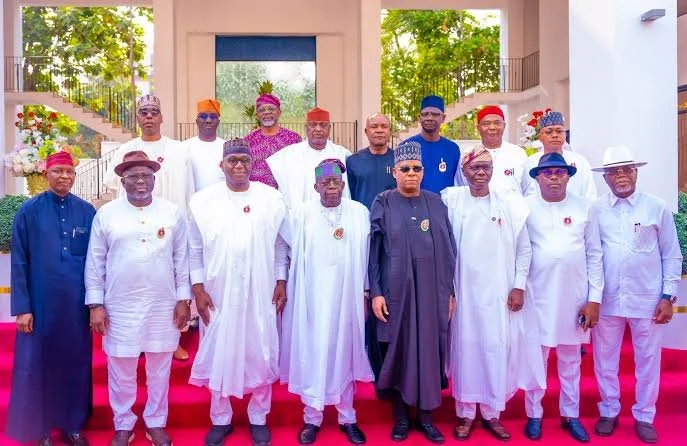
Together, these indicators could shape January’s outcome more than party switches and ceremonial political photographs.
Nigeria’s political class may be counting power, but the electorate is moving too. With 9.3 million newly registered young voters added to the register in 2026, a new political variable has entered the equation—one that no politician can claim as property.
The investigative question is not only which politicians gain endorsements or acquire governors. The more decisive question is who is acquiring voters—and convincing them that voting is worth their time. In the final analysis, elections still reward the campaign that earns trust, answers youth realities, and converts registration into credible turnout.






Leave a Reply