
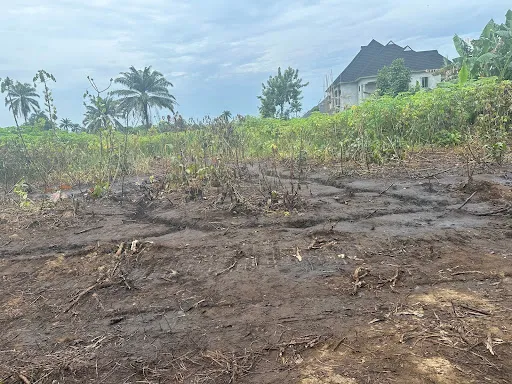
Decades of oil pollution continue to devastate communities despite cleanup efforts and regulatory oversight.
By A1 News International | August,20,2025
Oil spills across Nigeria’s Niger Delta continue to destroy farmlands, pollute water sources, and cripple livelihoods, with thousands of incidents recorded over the past decade. Despite ongoing cleanup initiatives, affected communities report minimal relief and sustained environmental damage.
Data from regulators and field reports reveal a persistent cycle of spills, weak response, and limited accountability.
A pipeline rupture on May 6 in B-Dere community, Gokana Local Government Area of Rivers State, forced residents to flee as crude oil flooded homes and farmlands. The spill, linked to the Trans Niger Delta pipeline, spread rapidly, contaminating soil, crops, and water sources.
Residents described hazardous living conditions, with thick fumes in the air and increased risk of fire outbreaks. Many were displaced temporarily as cooking and daily activities became unsafe.
Containment operations began nine days later, with oil recovery efforts carried out under armed security presence. However, by that time, significant environmental damage had already occurred.
According to data from the National Oil Spill Detection and Response Agency (NOSDRA), over 9,890 oil spill incidents were recorded across Nigeria between 2015 and July 2025. Rivers State accounted for the highest number, followed by Bayelsa, Delta, Akwa Ibom, and Imo States.
While sabotage remains the leading cause, corrosion and equipment failure also contribute significantly. The B-Dere incident was officially attributed to equipment failure, though residents dispute the scale of reported damage.
Across affected communities, oil pollution has rendered farmlands unproductive. Crops such as cassava, plantain, and cocoyam have been severely impacted, with reports of rot and failed harvests. Water sources have also been contaminated, forcing residents to abandon traditional livelihoods.
In coastal areas like Ibeno in Akwa Ibom State, fishermen report declining fish populations linked to oil contamination. Many now travel farther into the sea for reduced catches, while others have migrated to neighbouring countries in search of viable fishing grounds.
The environmental degradation has compounded economic hardship. Farmers and fishermen, often operating on loans, face mounting debts as yields decline and incomes shrink.
Cleanup Efforts Show Limited Impact
The federal government launched a $1 billion Ogoni cleanup programme in 2018 following a United Nations environmental assessment. The initiative, implemented through the Hydrocarbon Pollution Remediation Project (HYPREP), aimed to restore polluted environments and livelihoods.
However, field reports indicate limited visible progress, with recurring spills undermining remediation efforts. Communities say pollution persists despite years of intervention.
Regulatory Gaps and Accountability Concerns
Environmental experts point to weak enforcement and aging oil infrastructure as key drivers of recurring spills. Many pipelines have exceeded their operational lifespan, while abandoned oil wells continue to leak due to lack of proper decommissioning.
Stakeholders also raise concerns about inadequate compensation and lack of transparency in response processes. Affected residents report delays and uncertainty following documentation of damages by oil companies.
The continued prevalence of oil spills in the Niger Delta poses significant risks to food security, public health, and economic stability. With agriculture and fishing severely impacted, rural livelihoods are eroding, increasing poverty and migration pressures. Without stronger regulation, infrastructure upgrades, and accountability, environmental degradation is likely to persist.
Data published by the National Oil Spill Detection and Response Agency (NOSDRA)—a Nigerian government agency monitoring oil spills—reveals that over 9,890 incidents were documented across Nigeria between 2015 and July 2025











Leave a Reply