
The National Human Rights Commission (NHRC) says climate change is already undermining Nigerians’ right to life, health, property, livelihood and food security—calling for a holistic, rights-based government response.
By A1NEWS International
ABUJA, Nigeria — September 15, 2026
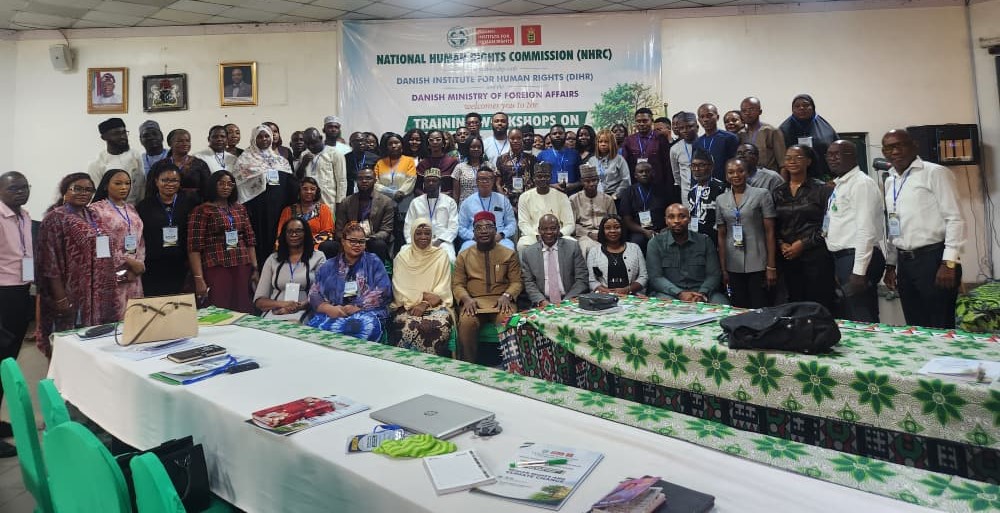
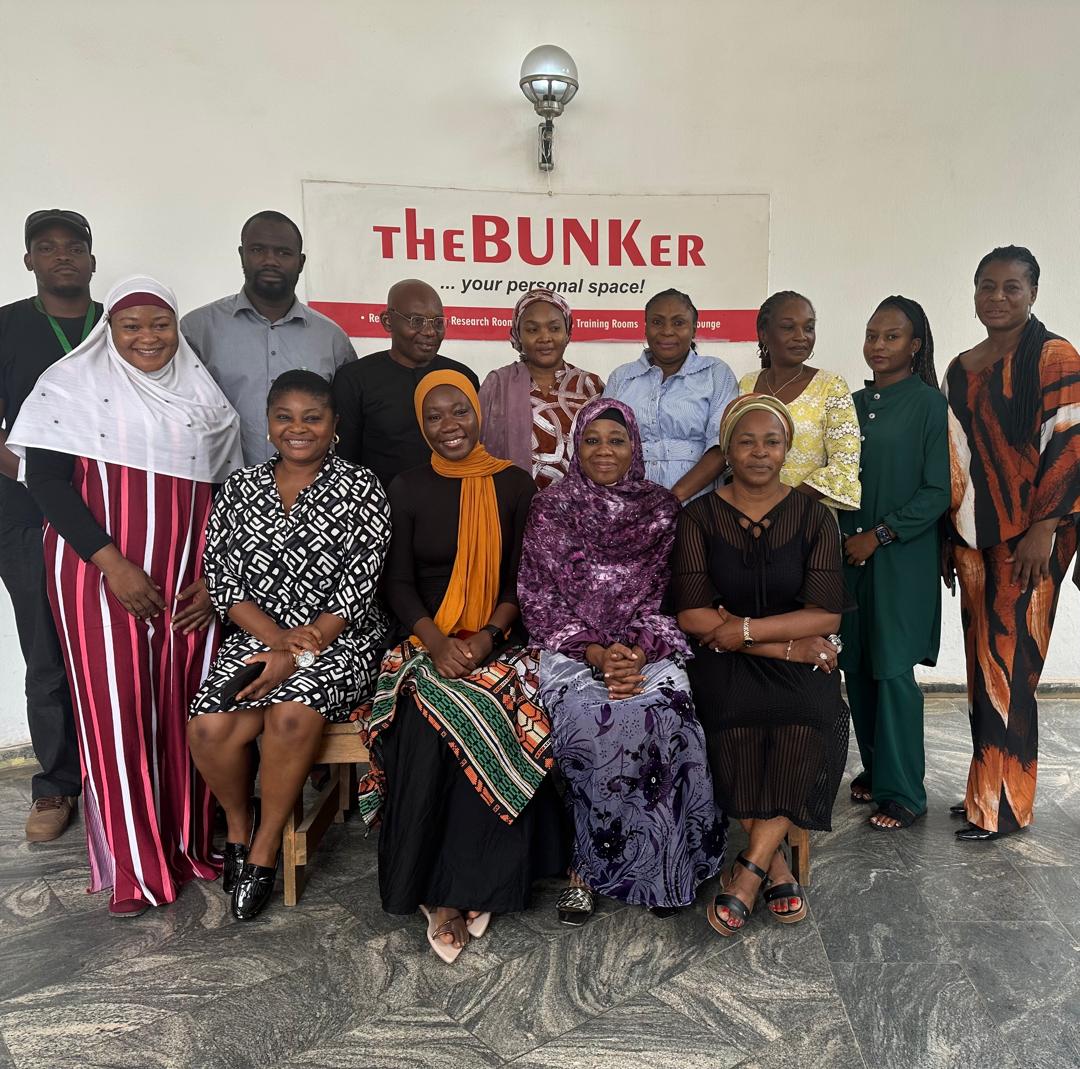
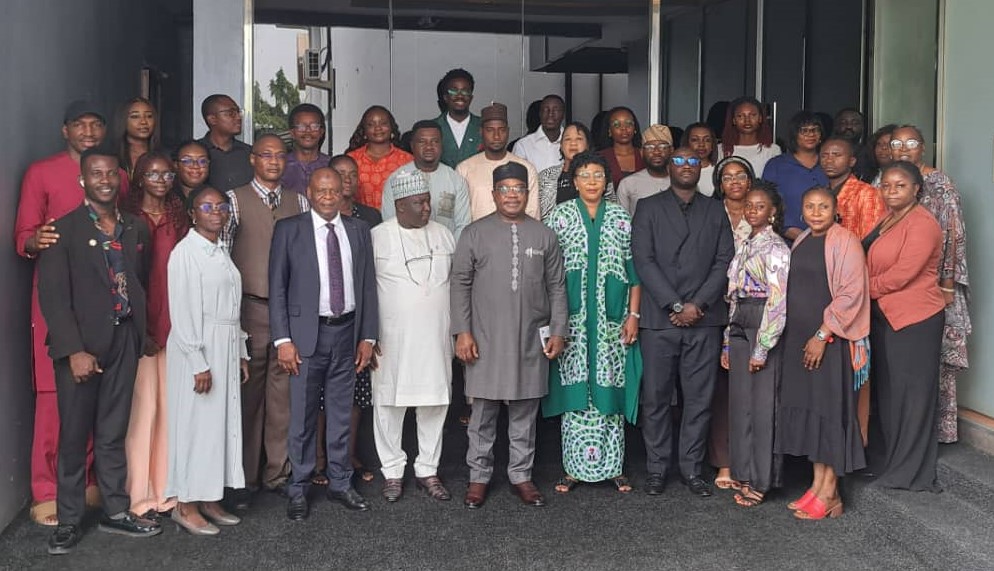
In a bid to strengthen the human-rights response to worsening climate impacts, Nigeria’s National Human Rights Commission (NHRC) has begun a three-day training for its staff in partnership with the Danish Institute for Human Rights and the Danish Ministry of Foreign Affairs. The program focuses on “Human Rights and Climate Change”—equipping commissioners, investigators and support teams to better handle complaints, guide affected communities and influence rights-centered climate action.
NHRC: Climate change is a direct human rights issue
Delivering remarks at the training, the Executive Secretary of the NHRC, Tony Ojukwu, SAN, emphasized that climate-related harms are inseparable from human rights protection.
He noted that energy and human activities contribute to greenhouse emissions, and stressed that officials must understand the “right and wrong” connection between government actions, environmental outcomes and human rights duties. According to Ojukwu, climate change is already triggering real-world consequences such as extreme heat, flooding, rising temperatures, and shifting famine seasons, with effects that extend beyond environmental damage.
He said climate change can lead to:
- threats to the right to life, including accidents and fatal injuries
- violations of the right to health through heat stress and waterborne diseases after flooding
- destruction of homes and property, undermining security of tenure and livelihoods
- heightened humanitarian strain, including impacts on food security and economic survival
Ojukwu added that as complaints related to climate impacts are expected to rise, the NHRC must prepare to respond promptly and effectively—through sensitization, guidance on redress, and complaint handling.
Danish Institute for Human Rights: Focus on communities hardest hit
Speaking as Chief Advisor, Maria Poppins, the Danish Institute for Human Rights described climate change as a driver of rights setbacks, including economic, social and cultural rights.
Poppins said it is disheartening that global climate negotiations and emissions reduction commitments are moving slowly, while countries and communities that contributed the least to the crisis are often the worst affected. She stated that the training’s focus is to clarify how NHRC can:
- serve communities most severely impacted
- support the formulation of climate policies by ensuring affected voices and rights concerns are considered
- use NHRC mandates to collect data, document evidence, and conduct awareness and advocacy
She said that NHRC commissions across Africa have leveraged their mandates to influence climate laws and policies, including by strengthening evidence-gathering, complaint handling and rights-centered advocacy.
NHRC’s message to government: Mainstream human rights into climate action
Responding to questions on what Nigeria’s government should do, Ojukwu said authorities often emphasize emissions reduction and early-warning mechanisms—while downplaying the human rights implications of climate adaptation and mitigation.
He argued that Nigeria must mainstream human rights into government responses to climate change and work alongside human rights institutions and experts. He warned that without a rights-based approach, key dimensions of harm may be missed—such as impacts on:
- right to life
- right to health
- right to livelihoods
- food security and broader welfare outcomes
- the stability and survival of businesses and local economies
Ojukwu also called for a holistic government review of national climate policy to ensure human rights are embedded in planning, implementation and accountability.
Policy recommendations: Review the national climate policy to close rights gaps
Under policy-related discussions, the NHRC Executive Secretary urged that Nigeria’s national climate change policy must be reviewed so that human rights are mainstreamed.
He said failing to integrate rights into climate policy would create a gap—where the full impact on people’s lives and rights is not adequately addressed, leaving communities vulnerable even when adaptation or climate measures are underway.
As Nigeria faces increasing climate-related disasters, heat stress and food insecurity risks, the NHRC says the outcome must not be treated as a purely environmental or economic problem. The Commission maintains that human rights protections—covering life, health, property, livelihoods and food security—must be built into climate policymaking and complaint response systems.
The three-day training is expected to strengthen NHRC’s capacity to manage emerging climate-linked complaints, improve evidence documentation, and support rights-centered approaches to climate governance in Nigeria.







Leave a Reply