
Policy targets individuals linked to persecution, but lack of transparency raises questions over scope and impact
By Baron Eloagu | Abuja, Nigeria
The United States government has begun enforcing visa restrictions on individuals accused of violating religious freedom in Nigeria, marking a significant escalation in international scrutiny of the country’s human rights record.
However, the absence of publicly named targets has raised concerns about transparency, accountability, and the broader diplomatic implications of the policy.
The development was disclosed by Mark Walker, Principal Adviser for Global Religious Freedom, who confirmed that the policy is already in effect.
“We have already executed on this policy, and we will continue to subject perpetrators to additional scrutiny,” Walker stated, adding that individuals involved in religious persecution would be denied entry into the United States.
Policy Framework and Enforcement
The visa restriction policy was formally announced in December by US Secretary of State Marco Rubio, targeting individuals who “direct, authorise, fund, or carry out” violations of religious freedom.
According to US authorities, the measure is part of a broader response to reported cases of violence and persecution, particularly against Christian communities in Nigeria.
Despite its enforcement, US officials have not disclosed the identities of those affected, citing diplomatic and legal sensitivities.
Congressional Pressure and Named Entities
The policy follows mounting pressure from US lawmakers, including Chris Smith, who chairs the House Foreign Affairs Subcommittee on Africa.
Smith had earlier introduced a resolution recommending visa bans and asset freezes on individuals and organisations linked to severe violations of religious freedom in Nigeria.
Entities named in the resolution include the Miyetti Allah Cattle Breeders Association of Nigeria and Miyetti Allah Kautal Hore.
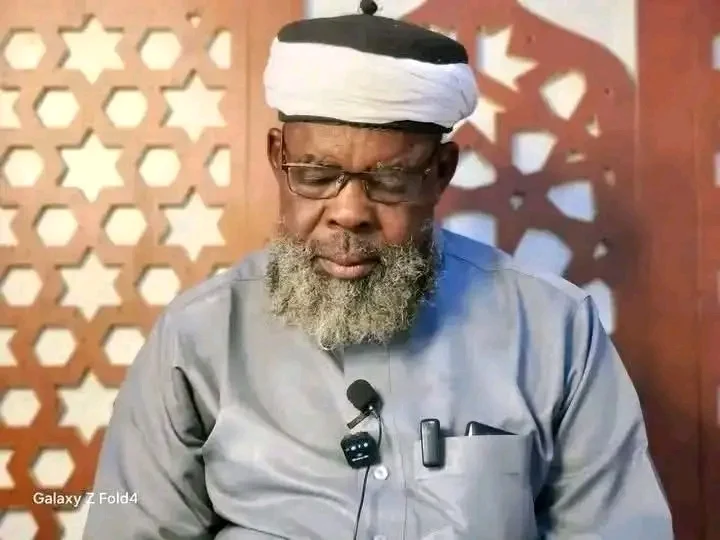
In a related move, some US lawmakers have also proposed sanctions against Rabiu Kwankwaso, alleging complicity in religious freedom violations—an accusation that adds a political dimension to the unfolding developments.
Transparency and Diplomatic Implications
Analysts say the lack of publicly identified individuals under the visa ban raises critical questions about due process and verification standards.
There are also concerns about how the policy may affect Nigeria-US relations, particularly if high-profile political or institutional actors are eventually implicated.
Diplomatic experts note that visa bans, while symbolic, can carry significant reputational consequences and may influence international perceptions of Nigeria’s human rights environment.
Broader Human Rights Context
Nigeria has faced sustained criticism from international organisations over recurring violence linked to religious and communal tensions.
While the Nigerian government has repeatedly pledged to address insecurity and protect all citizens regardless of faith, enforcement gaps and persistent attacks continue to draw global attention.
The US visa restriction policy signals increasing international willingness to hold individuals accountable for religious freedom violations in Nigeria.
Yet, its ultimate impact will depend on transparency, consistency in enforcement, and the extent to which it translates into measurable changes on the ground.


Leave a Reply