
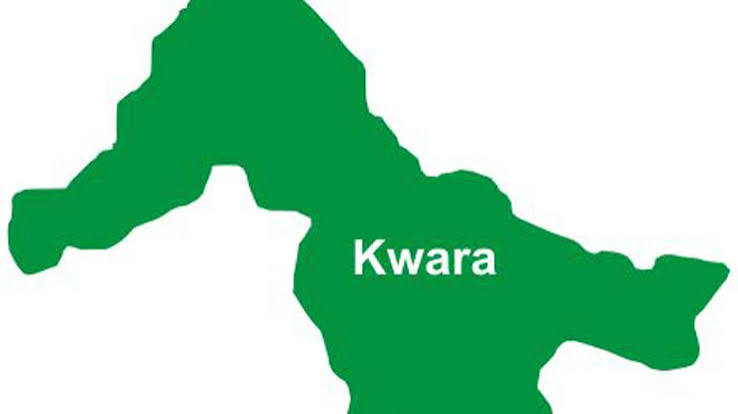
Nearly six months after the deadly attack on Woro community, relatives say terrorists have threatened to marry off female captives and execute other hostages as ransom demands reportedly rise to ₦2 billion.
By Muhamed Abubakar
Kaiama, Kwara State | July 30, 2026
Nearly six months after one of the deadliest mass abductions in Kwara State’s recent history, families of 176 residents kidnapped from Woro community in Kaiama Local Government Area have renewed desperate appeals for federal intervention amid fresh reports that their loved ones face forced marriages and possible execution.
According to relatives and community leaders, the armed group holding the captives has allegedly threatened to marry off young female hostages and kill the remaining captives if its demands are not met. The victims—many of whom are women, children, nursing mothers and elderly residents—have remained in captivity since a coordinated attack on February 3, 2026.
The latest claims underscore the worsening humanitarian crisis in parts of Kwara State and highlight the growing reach of armed groups operating across Nigeria’s North-Central region. While the allegations have been made by victims’ families and community representatives, they have not been independently verified by A1NEWS International, and security agencies have not publicly confirmed the reported threats.
Deadly Assault Left Hundreds Dead and Scores Abducted
Residents said the attackers stormed Woro, Nuku, Kososo and neighbouring communities during a coordinated assault that left widespread devastation.
Community leaders estimate that more than 200 residents were killed, while 176 others were abducted and taken into remote forest locations.
The victims reportedly include:
- Women
- Nursing mothers
- Young children
- Pregnant women
- Elderly residents
The attack displaced many surviving residents and further deepened insecurity in Kaiama Local Government Area.
Families Say Terrorists Threaten Forced Marriage and Execution
Relatives say recent communication from the abductors has intensified fears for the captives.
According to community sources speaking to BBC Hausa, the armed group allegedly warned that it would:
- Force young female captives into marriage.
- Execute other hostages if its demands remain unmet.
Community member Abdul Ibrahim said the reported threat has left families devastated after months of unsuccessful efforts to secure the release of their loved ones.
If confirmed, such acts would constitute serious violations of international humanitarian law and human rights conventions protecting civilians during armed conflicts.
Ransom Demand Reportedly Climbs to ₦2 Billion
Families disclosed that they have already mobilised substantial resources through public donations, community fundraising and crowdfunding campaigns.
According to community representatives, more than ₦155 million has been raised.
However, they allege the kidnappers rejected the amount and subsequently increased their demand to approximately ₦2 billion.
Neither security agencies nor government officials have publicly confirmed the reported ransom figure.
Nigeria’s Terrorism (Prevention and Prohibition) Act, 2022 criminalises ransom payments to terrorist groups, creating a difficult legal and humanitarian dilemma for affected families.
Hostages Reportedly Held in Remote Forest Camps
Community leaders believe the abductees remain hidden within remote forest areas surrounding Kaiama and neighbouring communities.
Despite ongoing security operations, authorities have yet to announce any breakthrough in locating the victims.
Some relatives allege that the captives are being compelled to undergo religious instruction while in detention, although these claims remain independently unverified.
Human rights observers note that prolonged captivity often exposes victims to severe psychological trauma, malnutrition, disease and physical abuse.
Pregnant Woman Allegedly Gave Birth in Captivity
Families also disclosed that one of the abducted women, who was reportedly pregnant at the time of the attack, has since given birth while in captivity.
Although the circumstances surrounding the birth remain unclear, humanitarian experts warn that childbirth without adequate medical care significantly increases health risks for both mother and child.
The report has heightened concerns about the welfare of vulnerable captives, particularly women, infants and children.
Community Leaders Demand Federal Intervention
Traditional rulers and community stakeholders have intensified calls for urgent government action.
Among those appealing for intervention are:
- Dan Sardaukin Kaiama
- Suleiman Bukata
- Community organisations
- Families of the abductees
They argue that the Federal Government should deploy the same urgency and operational resources used in recent successful hostage rescue missions elsewhere in Nigeria.
Community representatives insist that prolonged captivity has compounded the suffering of affected families and undermined public confidence in security efforts.
Negotiation Deadlock Deepens Crisis
Community leaders claim the abductors have refused to negotiate with the Kwara State Government.
Instead, they reportedly insist that any discussions must involve the Federal Government directly.
As of the time of filing this report, neither the Presidency nor relevant federal security agencies had publicly commented on the reported demand.
The absence of official confirmation has fuelled uncertainty among families seeking information about rescue efforts.
Growing Insecurity in Nigeria’s North-Central Region
Although Boko Haram has historically operated primarily in Nigeria’s North-East, security analysts have warned of increasing collaboration among various armed groups across parts of the North-Central region.
Kaiama and neighbouring communities have experienced recurring attacks involving:
- Kidnapping
- Cattle rustling
- Armed robbery
- Rural community raids
Experts say criminal groups continue to exploit vast forested areas, porous security coverage and limited infrastructure to evade security operations.
Humanitarian Crisis Beyond Security Statistics
Beyond the numbers lies a profound humanitarian tragedy.
Nearly six months after the attack, hundreds of relatives continue to live with uncertainty over the fate of missing family members.
Many households have exhausted financial resources attempting to secure releases through informal channels while simultaneously coping with grief, displacement and economic hardship.
Psychologists warn that prolonged hostage situations often leave lasting emotional scars on both survivors and their families, even after eventual rescue.
The continued captivity of 176 residents from Woro and neighbouring communities represents one of Kwara State’s most serious unresolved security crises. Reports that female hostages may face forced marriages while other captives risk execution have intensified calls for urgent federal intervention, although these allegations remain unverified by official authorities.
As negotiations reportedly stall and families continue to wait for answers, the incident highlights broader concerns about rural insecurity, mass kidnappings and the humanitarian consequences of armed violence in Nigeria’s North-Central region. Whether through intelligence-led rescue operations, strengthened security deployment or coordinated humanitarian responses, affected communities say time is rapidly running out for those still held in captivity.









Leave a Reply