
ADC chieftain says Obi missed opportunity to prove popularity as opposition realignments intensify
By Baron Eloagu / ABUJA, Nigeria — May 6, 2026
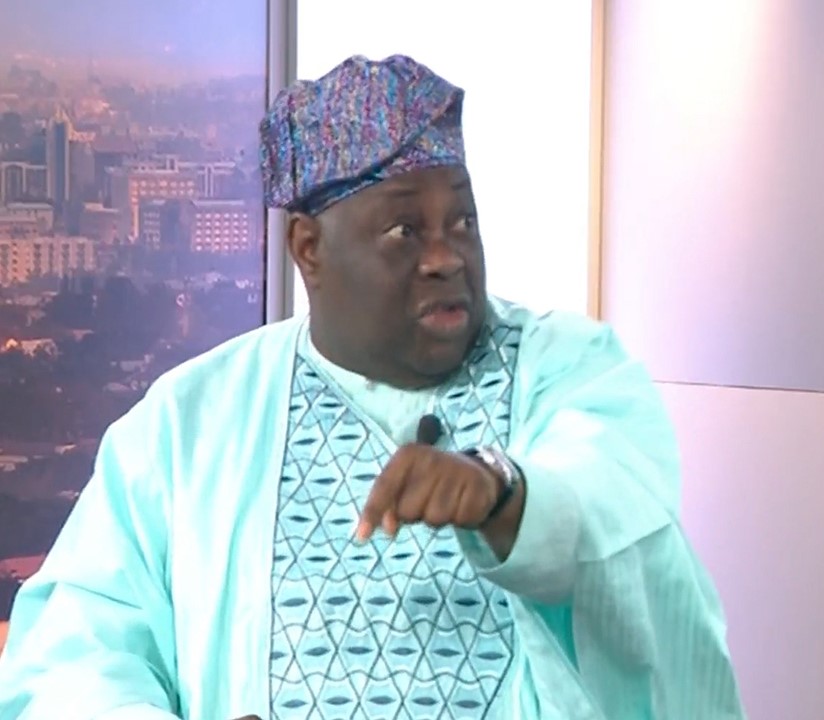
A chieftain of the African Democratic Congress (ADC), Dele Momodu, has criticised the recent defection of former Anambra State Governor, Peter Obi, from the party, arguing that the 2023 presidential candidate missed a crucial opportunity to test his political strength within the ADC ahead of the 2027 general elections.
Momodu Questions Timing of Defection
Speaking during an interview on Channels Television’s The Morning Brief, Momodu said Obi’s exit from the ADC to the Nigeria Democratic Congress (NDC) reflected a strategic miscalculation.
According to him, the party’s internal democratic processes—whether through consensus, direct primaries, or delegate-based systems—would have provided Obi with a credible platform to measure his grassroots appeal.
“It’s a lot easier for Obi to test his popularity within the party structure,” Momodu said, insisting that a direct primary would have allowed all registered members to vote, thereby offering a transparent assessment of political strength.
Atiku’s Influence and Political Consistency
Momodu further suggested that Obi may have been wary of facing established figures within the party, particularly former Vice President Atiku Abubakar, whom he described as a consistent and resilient political actor.
He praised Atiku’s decades-long pursuit of the presidency, noting that persistence remains a defining trait of serious politicians.
“Every electoral cycle brings him closer to his destination,” Momodu said, adding that Obi would have benefited from remaining within the ADC to test his electoral viability.
Supporter Pressure and Strategic Constraints
The media entrepreneur also pointed to internal pressure from Obi’s support base as a possible factor influencing his decision to leave the ADC.
He claimed that influential supporters had publicly opposed any arrangement that would see Obi accept a vice-presidential role, thereby narrowing his political options within the party.
According to Momodu, such dynamics may have contributed to Obi’s decision to exit rather than engage in what could have been a competitive primary process.
Political Realignments Ahead of 2027
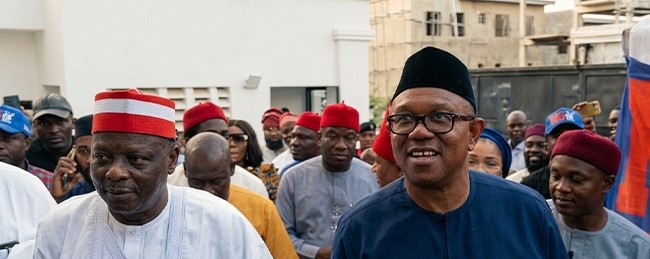
Obi, alongside former Kano State Governor Rabiu Kwankwaso, formally joined the NDC earlier this week, marking a significant shift in Nigeria’s opposition landscape.
The defections come amid broader political realignments as opposition figures reposition themselves ahead of the 2027 general elections.
Obi had earlier cited internal crises, legal disputes, and a lack of cohesion within the ADC as reasons for his departure, describing the political environment as increasingly hostile and fragmented.
Momodu’s remarks underscore the growing tensions and divergent strategies within Nigeria’s opposition ranks as the race toward 2027 gathers momentum. With alliances shifting and political loyalties being tested, the debate over credibility, strategy, and leadership within opposition parties is likely to intensify in the months ahead.






Leave a Reply