
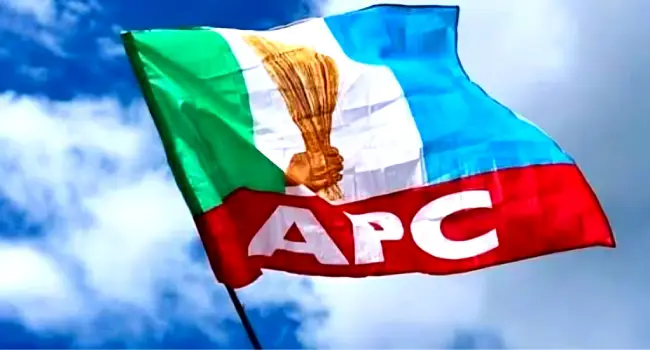
From Rochas Okorocha and Ned Nwoko to Ovie Omo-Agege, the APC primaries exposed deep internal battles, collapsing political structures, and intensifying succession wars ahead of Nigeria’s 2027 elections.
By John Ishaku | ABUJA, Nigeria | May 20, 2026
The long-held assumption that incumbency guarantees political survival suffered a major blow as the All Progressives Congress (APC) concluded a series of dramatic senatorial primaries across Nigeria, producing shocking defeats, internal crises, consensus arrangements, disqualifications, and fierce succession battles ahead of the 2027 general elections.
Several serving lawmakers and influential political figures lost their return tickets despite years of political dominance, exposing growing fractures within the ruling party and signaling a changing power equation inside Nigeria’s political establishment.
Among the most notable casualties were former Imo State Governor, Rochas Okorocha, Delta North Senator Ned Nwoko, and former Deputy Senate President Ovie Omo-Agege.
At the same time, powerful incumbents such as Senate President Godswill Akpabio, Deputy Senate President Barau Jibrin, and several sitting governors secured their tickets, reinforcing the widening divide between political survivors and emerging casualties within the APC structure.
APC Primaries Expose Cracks in Incumbency Politics
For decades, incumbency in Nigerian politics was widely viewed as an almost unbeatable advantage.
Political office holders traditionally enjoyed:
- Access to party structures
- Financial influence
- State machinery
- Grassroots mobilization networks
- Patronage systems
However, the latest APC primaries revealed that internal political calculations, zoning arrangements, elite alliances, and shifting loyalties may now carry greater weight than incumbency alone.
Political analysts say the outcome reflects:
- Deepening internal factional battles
- Struggles over succession control
- Rising dissatisfaction within party structures
- Strategic realignments ahead of 2027
Several primaries were reportedly marred by:
- Delayed materials
- Disagreements over voting methods
- Consensus disputes
- Allegations of manipulation
- Screening controversies
Akpabio, Barau, Bamidele Retain Dominance
Despite the turbulence, some major APC figures consolidated their grip on power.
Senate President Godswill Akpabio secured the APC ticket for Akwa Ibom North West Senatorial District after polling 121,425 votes.
Similarly, Deputy Senate President Barau Jibrin emerged as the APC candidate for Kano North following an affirmation process attended by party officials and INEC observers.
Senate Leader Opeyemi Bamidele was also affirmed for another term representing Ekiti Central Senatorial District.
Observers say the victories demonstrate the continued influence of the APC’s central leadership bloc despite growing internal tensions.
Governors Secure Senate Tickets Amid Power Transition Plans
Several sitting governors also emerged victorious as they prepare for post-governorship political transitions.
Those who secured senatorial tickets include:
- Hope Uzodinma
- Inuwa Yahaya
- Dapo Abiodun
- AbdulRahman AbdulRazaq
Analysts note that the movement of governors toward the Senate has become an increasingly common strategy in Nigerian politics, allowing outgoing executives to maintain political relevance, influence succession processes, and retain access to national power structures.
Uzodinma Crushes Okorocha in Imo Political Showdown
One of the most dramatic contests unfolded in Imo State, where Governor Hope Uzodinma overwhelmingly defeated former governor Rochas Okorocha in the Imo West Senatorial District primary.
Uzodinma reportedly polled 230,464 votes, while Okorocha secured only 1,098 votes.
The outcome highlights the continuing decline of Okorocha’s once-dominant political structure in Imo politics.
Political observers say the result represents:
- A consolidation of Uzodinma’s control of APC structures in Imo
- The weakening of Okorocha’s grassroots influence
- A broader generational and strategic shift within the party
The rivalry between both men has shaped Imo APC politics for years.
Ned Nwoko Suffers Stunning Defeat
Another major upset occurred in Delta North, where Senator Ned Nwoko reportedly suffered a humiliating defeat.
Former Delta State Governor Ifeanyi Okowa polled 4,462 votes in Ward 9, Okpanam, while Nwoko reportedly secured only three votes.
The result triggered widespread reactions across political circles and social media.
Analysts say the defeat raises serious questions about:
- Nwoko’s political structure within Delta APC
- Internal party loyalty dynamics
- The strength of elite political endorsements
Omo-Agege Loses Grip on Delta Central
Former Deputy Senate President Ovie Omo-Agege also suffered a major political setback after losing the Delta Central APC ticket to incumbent Senator Ede Dafinone.
Dafinone reportedly polled 116,252 votes against Omo-Agege’s 3,643 votes.
The defeat signals a dramatic decline in Omo-Agege’s influence within Delta APC politics after years as one of the region’s most powerful APC figures.
Kaduna Primaries Reveal Shifting Northern Alliances
In Kaduna State, former governor Mukhtar Ramalan Yero secured victory in the Kaduna North Senatorial primary.
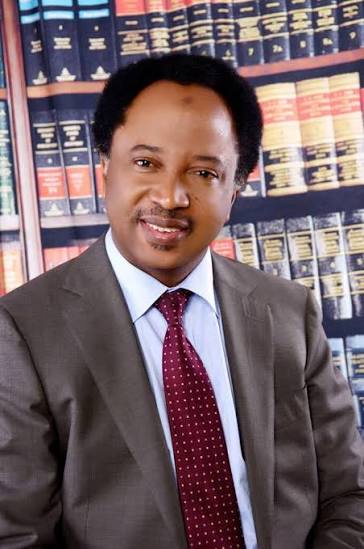
Meanwhile, outspoken senator Shehu Sani emerged victorious in Kaduna Central after polling 9,105 votes.
Political analysts say the Kaduna outcomes reflect evolving alliances linked to:
- Northern succession politics
- Internal APC restructuring
- Strategic repositioning ahead of 2027
Consensus Politics and Internal Negotiations Dominate APC
Across several states, consensus arrangements played a major role in determining outcomes.
In Borno State, incumbent senators:
- Ali Ndume
- Mohammed Tahir Monguno
- Kaka Shehu Lawan
were affirmed unopposed.
Similarly, in Kebbi State, senior political figures emerged through consensus following withdrawals allegedly encouraged by Governor Nasir Idris.
Critics argue that consensus politics often weakens internal democracy by limiting genuine competition.
Supporters, however, claim consensus arrangements reduce conflict and preserve party unity.
Disqualifications Trigger Fresh Controversies
The APC screening process also generated controversy after no fewer than 43 aspirants were reportedly disqualified.
Among those affected were:
- Former presidential aspirant Tein Jack-Rich
- Senator Ipalibo Banigo
Party sources cited:
- Documentation inconsistencies
- Zoning violations
- Internal party regulations
as reasons for the disqualifications.
Several aspirants rejected the process and accused the party of manipulation and selective exclusion.
Kwara APC Power Struggle Deepens
One of the most explosive internal battles emerged in Kwara State.
Governor AbdulRahman AbdulRazaq and Senator Saliu Mustapha appeared locked in an escalating succession war.
Confusion erupted after both names surfaced on lists linked to the Kwara Central senatorial race despite earlier reports suggesting AbdulRazaq was the sole aspirant.
Political insiders say the rivalry reflects a broader struggle over:
- Control of APC structures in Kwara
- The 2027 governorship succession
- Influence over future political alignments
Internal Democracy or Controlled Competition?
The APC primaries have reignited national debate over the true state of internal democracy within Nigerian political parties.
While party leaders praised the exercises as transparent and democratic, critics pointed to:
- Consensus impositions
- Disqualifications
- Political bargaining
- Elite interference
- Strategic withdrawals
as evidence that internal democracy remains heavily managed.
Analysts say the primaries ultimately revealed that:
- Political survival now depends more on elite alignment than incumbency
- Governors continue wielding enormous influence over party structures
- Internal party wars may intensify ahead of 2027
The APC primaries have dramatically reshaped Nigeria’s political landscape ahead of the 2027 elections, exposing the fragility of incumbency and the growing intensity of internal power struggles within the ruling party.
From the collapse of once-powerful political structures to the emergence of new alliances and succession battles, the contests revealed a political environment increasingly driven by strategic survival rather than guaranteed dominance.
For some political heavyweights, the primaries marked consolidation of power.
For others, they signaled the beginning of political decline.
As Nigeria moves closer to another high-stakes election cycle, the APC’s internal battles may prove just as consequential as the eventual national contest itself.



Leave a Reply