
![Nigerian military prepares to cordon the area where a man was killed by suspected rebel fighters during an attack around the Polo area of Maiduguri, Nigeria, in 2019 [File: Afolabi Sotunde/Reuters]](https://a1news.com.ng/wp/wp-content/uploads/2026/05/Nigeria-military-on-patrol.webp)
Comparative terrorism rankings reveal widening security concerns in Nigeria while Afghanistan drops significantly in global terror index standings
By Baron Eloagu / May 23, 2026
ABUJA, NIGERIA – A comparative review of the Global Terrorism Index (GTI) rankings from 2011 to 2026 has revealed a troubling security trajectory for Nigeria, as the country climbed back to 4th position globally in 2026 despite years of counterterrorism operations, military offensives, and increased defence spending.
In contrast, Afghanistan — once regarded as the world’s most terrorised country for several consecutive years — recorded a dramatic decline in terrorism rankings, falling to 11th place in 2026 after dominating the top position between 2019 and 2023.
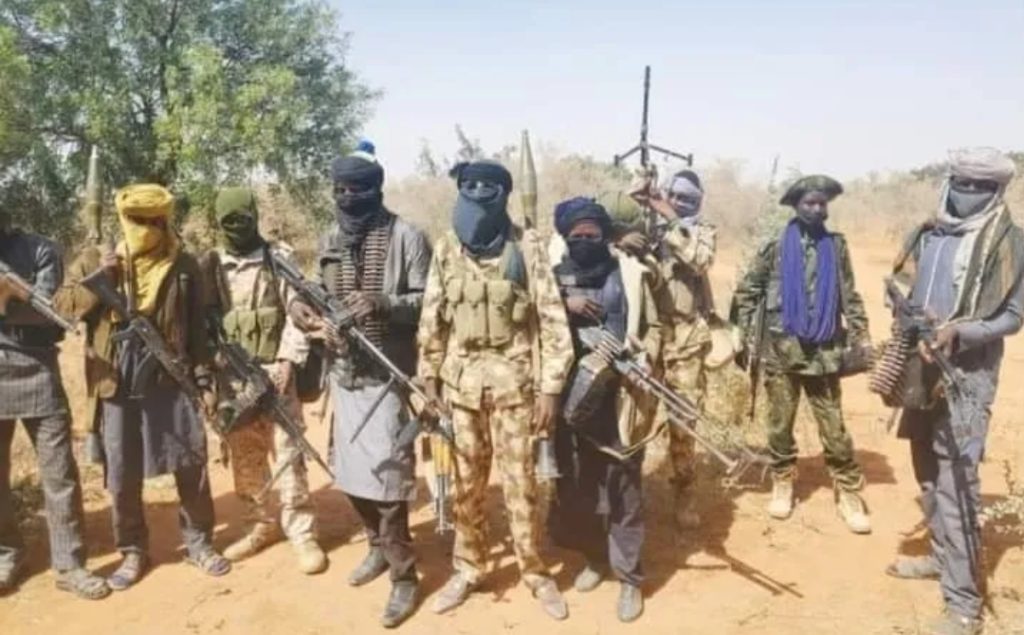
The latest comparison has reignited debate over Nigeria’s security architecture, counterinsurgency strategies, intelligence coordination, and governance failures amid escalating attacks by armed groups, bandits, insurgents, and terrorist networks across several regions.
Nigeria’s Troubling Terrorism Trajectory
Data from the Global Terrorism Index over the past 15 years paints a fluctuating but persistently alarming picture for Nigeria.
The country ranked 8th globally in 2011 before rapidly climbing to 5th position in 2012 and 2013 during the intensification of Boko Haram insurgency in the Northeast.
By 2015 and 2016, Nigeria had become the third most terrorism-affected country globally, reflecting the devastating impact of mass abductions, suicide bombings, attacks on military formations, and assaults on civilian communities.
The situation worsened further in 2017 and 2018 when Nigeria rose to 2nd position globally, placing it behind only Afghanistan.
Although Nigeria temporarily dropped to 8th place in 2023 amid claims of improved military operations, the country rebounded sharply to 4th position in 2026 — an indication, analysts say, that insecurity remains deeply entrenched.
Security experts attribute Nigeria’s persistent ranking to multiple overlapping crises, including:
- Boko Haram and ISWAP insurgency in the Northeast;
- Banditry and mass kidnappings in the Northwest;
- Farmer-herder conflicts in the North Central region;
- Separatist violence in the Southeast;
- Oil theft and armed militancy in the Niger Delta.
Afghanistan’s Dramatic Decline in Terror Rankings
Afghanistan’s trajectory presents a striking contrast.
The country consistently ranked among the world’s most terrorism-affected nations between 2011 and 2023, occupying the number one position from 2019 through 2023 during years marked by Taliban offensives, suicide bombings, ISIS-K attacks, and prolonged armed conflict.
However, by 2024, Afghanistan dropped to 6th position, then to 9th in 2025, before falling further to 11th place in 2026.
Analysts suggest the decline may be linked to changes in conflict patterns following the Taliban’s return to power in 2021, which significantly altered the structure of armed confrontations within the country.
While attacks by extremist groups such as ISIS-K remain active, the scale of conventional warfare and nationwide insurgent operations has reduced compared to previous years.
Nonetheless, human rights groups and international observers caution that lower GTI rankings do not necessarily translate into improved democratic governance, civil liberties, or humanitarian conditions.
Questions Over Nigeria’s Counterterrorism Strategy
Nigeria’s worsening position has intensified scrutiny of the Federal Government’s counterterrorism approach despite repeated assurances from successive administrations that insurgency had been “technically defeated.”
Critics argue that recurring attacks on military bases, mass kidnappings, highway ambushes, attacks on schools, and raids on rural communities indicate serious operational weaknesses within the country’s security infrastructure.
Several security analysts point to:
- Weak intelligence gathering;
- Poor inter-agency coordination;
- Underfunding of local policing structures;
- Corruption within defence procurement systems;
- Vast ungoverned rural territories;
- Porous borders and arms trafficking networks.
Concerns have also been raised over the growing sophistication of non-state armed groups operating across Nigeria’s northern regions.
Rising Economic Pressures and Security Risks
Experts warn that Nigeria’s worsening economic conditions may further complicate the security crisis.
High unemployment, rising inflation, food insecurity, youth disenfranchisement, and widespread poverty are increasingly viewed as factors contributing to criminal recruitment and social instability.
According to development experts, terrorism and economic decline often reinforce each other, creating cycles of violence, displacement, and weakened state authority.
Nigeria’s persistent security challenges have also continued to discourage foreign investment, disrupt agricultural production, and strain humanitarian resources in conflict-prone regions.
Global Perception and Diplomatic Implications
Nigeria’s return to the upper tier of the Global Terrorism Index carries broader implications beyond domestic politics.
Security rankings significantly influence international investment decisions, travel advisories, foreign diplomatic assessments, and defence cooperation partnerships.
Analysts warn that sustained insecurity could weaken Nigeria’s regional leadership ambitions within West Africa while increasing pressure on the government to adopt more transparent and accountable security reforms.
Debate Over GTI Methodology
Despite the growing attention surrounding the rankings, some experts caution against relying solely on the Global Terrorism Index as a definitive measurement of national security performance.
Critics argue that the GTI primarily measures the impact and frequency of terror-related incidents rather than broader indicators such as governance quality, institutional resilience, or post-conflict recovery.
Others note that differences in reporting systems, media access, and state transparency can affect comparative rankings between countries.
Nevertheless, the data continues to serve as one of the most widely referenced global benchmarks for measuring terrorism trends.
The diverging terrorism trajectories of Nigeria and Afghanistan between 2011 and 2026 reflect a complex global security reality in which conflict patterns continue to evolve beyond traditional battlefields.
While Afghanistan’s decline in the rankings signals a reduction in large-scale insurgent warfare, Nigeria’s renewed climb raises urgent questions about the effectiveness of its security strategies, governance structures, and national stability framework.
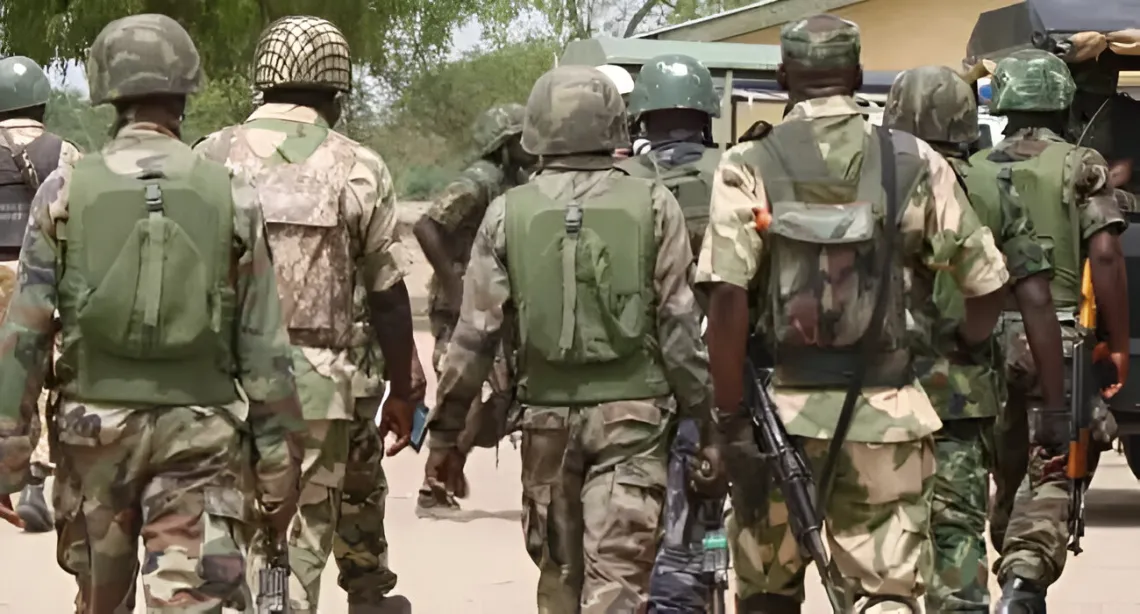
As attacks persist across several Nigerian regions, pressure is mounting on policymakers, security agencies, and political leaders to move beyond rhetoric and deliver measurable improvements in citizen safety and territorial control.









Leave a Reply