
By Emmanuel Angulu
MAKURDI, Benue State — Wednesday, September 9, 2026
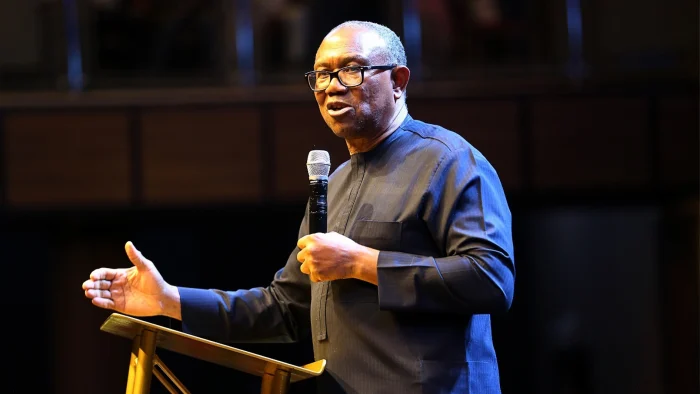
Amnesty International has condemned the reported blocking of opposition presidential candidate Peter Obi and members of his entourage from entering Benue State, describing the incident as a dangerous and unlawful act of political repression.
In a statement reacting to events in Makurdi, Amnesty said the Benue State government has questions to answer after heavily armed youths allegedly barricaded the Gboko Road, preventing Obi’s entry—while warning that no Nigerian requires permission or prior notification to visit any part of the country.
Makurdi Incident Raises Alarm Over “Coordinated” Political Repression
Amnesty International said the incident occurred in Makurdi, the capital of Benue State, where heavily armed youths allegedly barricaded the Gboko Road and blocked Obi and his entourage from accessing the state.
The rights group stated the development appeared to be part of a coordinated action, potentially putting Obi and his team at risk and undermining the democratic process.
“What happened today in Benue State is an unprecedented and dangerous act of political hooliganism that undermines the entire democratic process,” Amnesty International said.
Amnesty: Using Thugs to Block Opposition Is Unlawful
Amnesty International argued that the use of political thugs—especially those associated with intimidation or state influence—is unlawful and must not become part of Nigeria’s electoral culture.
The organization stressed that harassment of rival political candidates by armed vigilante groups or political thugs—particularly when such actions are enabled or linked to authorities—directly violates democratic principles and threatens peaceful participation.
“No-Go Area” Claim Rejected—Every Nigerian Can Move Freely
A central position raised by Amnesty International was that no state should be treated as a “no-go area” for any individual or political party supporter.
The group emphasized that no Nigerian needs permission or prior notification to travel to any part of the country, reiterating that political exclusion through force erodes citizens’ rights and intensifies tension ahead of elections.
Pattern of Violence and Intolerance: Amnesty Cites Wider Political Repression
Amnesty International also linked the Benue incident to what it described as a wider trend of increasing political intolerance, incitement, and attempts to reduce democratic participation.
It said it had documented—since last year—what it called shocking levels of political repression across parts of Nigeria, including:
- attempts to prevent hotels from hosting political meetings,
- attacks targeting rival parties’ political activities, and
- other actions that undermine a level playing field.
The rights group expressed concern that the Nigerian government is doing too little to prevent political repression and election-related violence, describing some states as operating an unannounced policy of shutting out opposition by “all available means.”
Calls for Accountability After Alleged Failures to Investigate
Amnesty International warned about alleged failures by relevant authorities to:
- investigate reported incidents, and
- bring suspected perpetrators to justice.
The organization urged government institutions to take decisive steps to address intimidation and intolerance, warning that allowing political thuggery to persist could further weaken Nigeria’s democratic process.
Amnesty International’s condemnation of the reported Benue blockade of Peter Obi signals mounting pressure on state and federal authorities to ensure freedom of movement and protect democratic participation ahead of elections. With Nigeria facing a rising risk of election-related violence, Amnesty says political actors and parties must commit publicly to anti-violence measures, while authorities must enforce accountability rather than tolerate intimidation.









Leave a Reply