
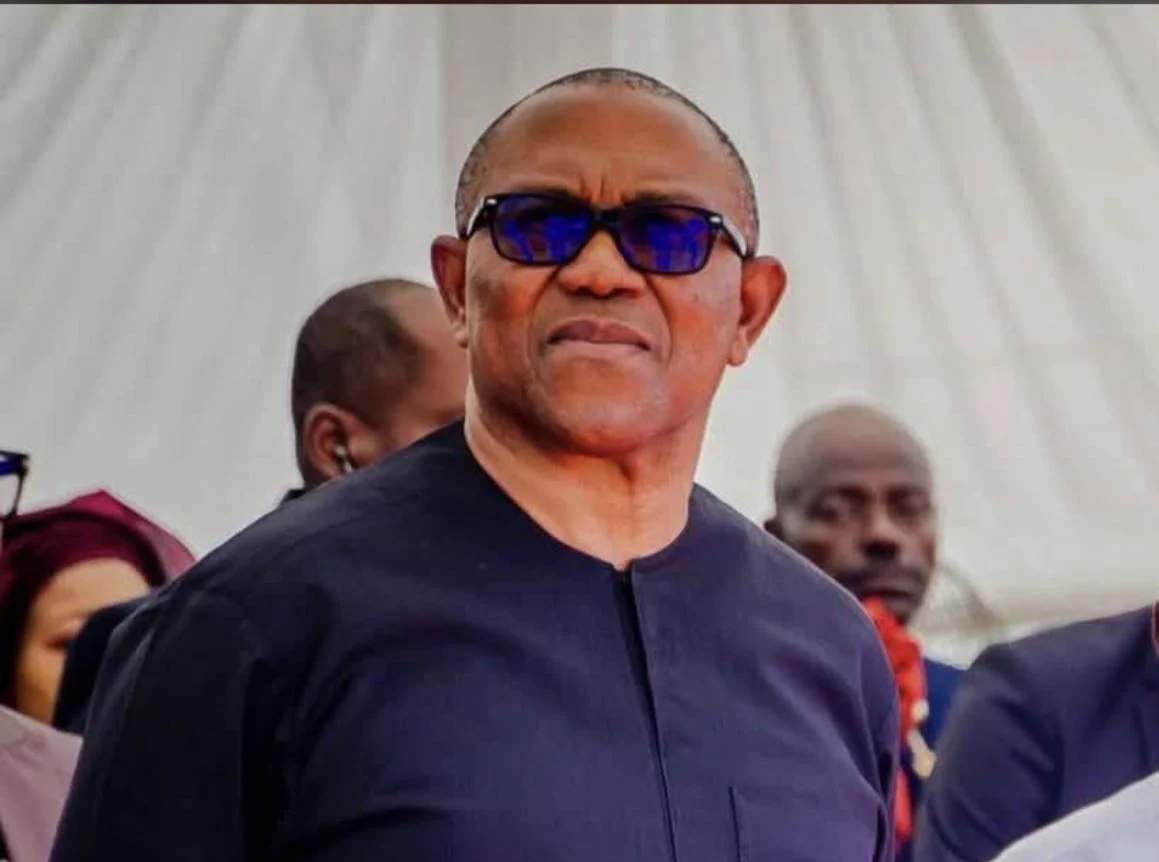
Growing criticism trails APC’s repeated references to Peter Obi amid worsening insecurity, economic hardship, and governance concerns
By A1NEWS International Political Desk / May 23, 2026
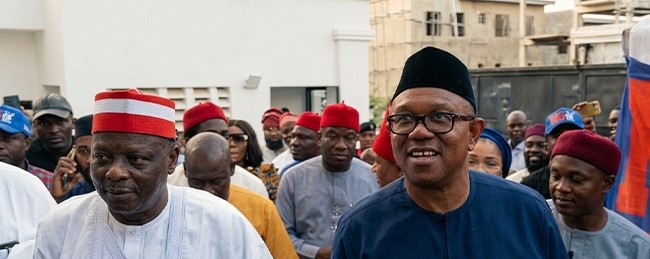
ABUJA, NIGERIA – Former Labour Party presidential candidate Peter Obi has once again become the centre of Nigeria’s heated political discourse, as critics accuse the ruling All Progressives Congress of using the opposition figure as a recurring diversionary reference whenever confronted with questions over insecurity, economic decline, corruption allegations, and governance failures.
The growing narrative, amplified across social media and political circles, reflects deepening public frustration over the country’s worsening socio-economic conditions and what many perceive as the government’s increasing dependence on political attacks rather than policy-based responses.
At the core of the debate is a broader national question: has Peter Obi evolved from an opposition politician into a symbolic measure of public dissatisfaction with the current administration?
Rising Insecurity Fuels Public Anger
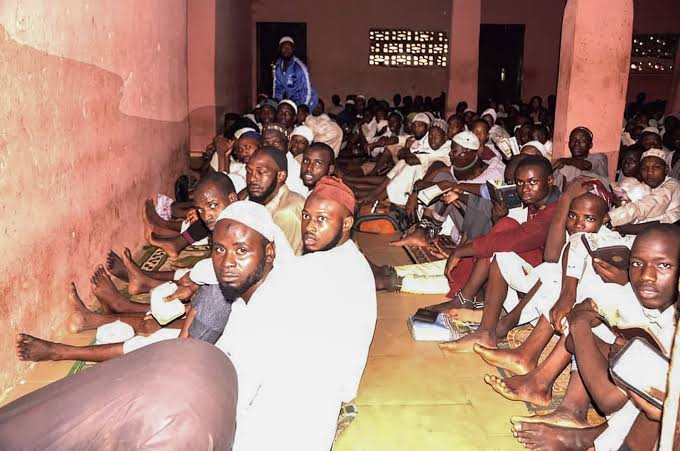
Nigeria continues to battle escalating security challenges across several regions, including mass kidnappings, attacks on farming communities, banditry, insurgency, and targeted assaults on religious centres.
Recent incidents involving attacks on schools, farming settlements, military formations, churches, and mosques have intensified scrutiny of the Federal Government’s security architecture.
Critics argue that instead of addressing operational failures, intelligence gaps, and accountability concerns, political discussions often shift toward attacks on opposition personalities, especially Peter Obi.
Political observers note that public reactions online increasingly portray Obi as a “default response” in partisan communication whenever difficult governance questions arise.
Economic Hardship Deepens National Anxiety
The criticism comes amid severe economic pressure facing millions of Nigerians under President Bola Ahmed Tinubu’s administration.
Since the removal of fuel subsidy and the floating of the naira, inflation has surged sharply, with food prices, transportation costs, electricity tariffs, and healthcare expenses placing enormous strain on households nationwide.
The naira’s depreciation against major foreign currencies has further weakened purchasing power, while businesses continue to struggle with rising production costs and unstable energy supply.
Data from development agencies and economic analysts continue to indicate worsening poverty conditions, unemployment, and declining living standards across the country.
Against this backdrop, opposition supporters argue that public officials and party loyalists often redirect conversations away from governance failures toward political attacks on Obi and the Labour Party movement.
Peter Obi’s Enduring Political Influence
Despite losing the 2023 presidential election, Peter Obi has remained one of Nigeria’s most discussed political figures, particularly among young voters and urban populations.
His supporters, widely known as the “Obidient Movement,” continue to maintain strong digital mobilisation and grassroots engagement, making Obi a central figure in national political conversations long after the election cycle.
Analysts say the persistence of Obi in political debates reveals both his enduring influence and the unresolved tensions surrounding the 2023 presidential contest.
The former Anambra governor has consistently projected himself as an advocate of fiscal discipline, accountability, and prudent management of public resources — themes that continue to resonate among sections of the electorate facing economic hardship.
Supporters frequently reference Obi’s tenure as governor of Anambra State, citing claims of savings, reduced debt, and investment in education and healthcare, although critics have also questioned aspects of his record in office.
APC and the Politics of Counter-Narratives
Defenders of the APC insist that criticism of Peter Obi is part of legitimate democratic engagement and political accountability.
Party supporters have repeatedly challenged Obi’s economic proposals, political consistency, governance credentials, and electoral viability, arguing that opposition figures must also be subjected to public scrutiny.
However, communication experts warn that excessive focus on opposition personalities can create the perception that governments are avoiding direct answers to urgent national concerns.
According to analysts, when citizens repeatedly raise issues such as insecurity, inflation, unemployment, or corruption, responses perceived as politically evasive may further erode public confidence in institutions.
Social Media, Polarisation, and Emotional Politics
The Peter Obi phenomenon also reflects the growing influence of social media-driven political engagement in Nigeria.
Platforms such as Facebook, X, TikTok, and Instagram have become battlegrounds for political narratives, propaganda, emotional mobilisation, and partisan confrontation.
Both APC loyalists and Obi supporters frequently deploy viral messaging, satire, political memes, and emotional rhetoric to shape public perception.
Experts warn that while digital participation has expanded democratic engagement, it has also intensified political polarisation and weakened fact-based discourse.
The increasingly personalised nature of Nigerian politics, they argue, risks reducing complex governance issues into emotional personality contests.
Questions Over Governance Priorities
Beyond partisan rivalry, the controversy surrounding Obi’s recurring mention in political discourse has revived broader concerns over governance priorities in Nigeria.
Citizens continue to demand answers regarding:
- Rising insecurity across northern and central states;
- The worsening cost-of-living crisis;
- Growing national debt levels;
- Declining infrastructure and social services;
- Unemployment and youth migration;
- Corruption and public sector accountability.
For many Nigerians, the central issue is no longer merely opposition politics but whether the political class is sufficiently focused on solving urgent national problems.
The intense political fixation on Peter Obi reveals more than ordinary partisan disagreement; it underscores Nigeria’s deeply polarised political climate and the widening frustration among citizens confronting insecurity and economic hardship.
Whether viewed as a reformist figure, a political threat, or simply a symbol of opposition resistance, Obi’s continued dominance in national discourse highlights the struggle for narrative control ahead of future electoral contests.
As economic and security pressures mount, Nigerians are likely to judge political leaders less by rhetorical attacks and more by measurable improvements in governance, accountability, and everyday living conditions.







Leave a Reply