
Regional tensions fail to slow global hajj turnout while rising inflation, insecurity, and transport costs push Eid-el-Kabir ram prices beyond reach for many Nigerians
By Hassan Jinjiri / May 24, 2026
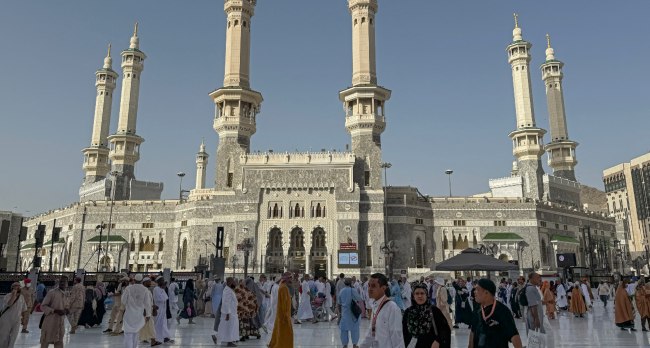
MECCA, SAUDI ARABIA / BIRNIN KEBBI, NIGERIA – More than 1.5 million international pilgrims have already arrived in Saudi Arabia ahead of the 2026 hajj pilgrimage despite heightened tensions and air travel disruptions caused by the ongoing Middle East conflict.
At the same time, Muslims across Nigeria preparing for the Eid-el-Kabir celebration are grappling with soaring ram prices driven by inflation, transportation costs, insecurity, and disruptions in livestock supply chains.
The simultaneous developments highlight the economic and logistical pressures shaping this year’s religious season both globally and domestically.
Hajj Pilgrim Numbers Rise Despite Regional Conflict
Saudi authorities disclosed that over 1,518,153 pilgrims from outside the kingdom had arrived for hajj as of Friday, already surpassing last year’s international participation figures before the commencement of the formal pilgrimage rites.
The announcement was made by Saleh Al-Murabba, commander of Saudi Arabia’s Hajj Passport Forces, during a press briefing in Mecca.
The figures are expected to increase further as additional pilgrims continue arriving ahead of the official commencement of hajj rituals scheduled to begin on Monday.
Last year’s pilgrimage recorded a total of 1,673,320 pilgrims, including approximately 1.5 million foreign participants.
The hajj remains one of the five pillars of Islam and is compulsory for Muslims who are physically and financially capable of undertaking the spiritual journey at least once in their lifetime.
Middle East Conflict Disrupts Air Travel
This year’s pilgrimage season unfolded against the backdrop of rising geopolitical instability in the Middle East following military confrontations involving Iran, Israel, and the United States earlier this year.
The escalation triggered widespread airspace restrictions, flight cancellations, and temporary operational disruptions across several Gulf countries.
Iran reportedly launched retaliatory strikes targeting strategic locations in Saudi Arabia and neighbouring Gulf states after coordinated US-Israeli military actions against Iranian interests in late February.
The tensions forced major airlines operating in the Gulf region — particularly carriers in the United Arab Emirates, Qatar, and Bahrain — to suspend or reroute flights for weeks.
Although most airlines have gradually restored operations, travel experts say airfare prices surged sharply during the crisis period, increasing the financial burden on intending pilgrims.
Despite these complications, large numbers of Muslim faithful continued travelling to Saudi Arabia, underscoring the spiritual significance of the pilgrimage.
Saudi Authorities Intensify Crowd Management Measures
Saudi authorities have also intensified crowd control, health monitoring, and security coordination efforts following concerns over overcrowding, heat-related illnesses, and regional instability.
The kingdom has invested heavily in pilgrimage infrastructure in recent years, including expanded transportation systems, surveillance technology, and emergency response mechanisms designed to manage millions of worshippers converging on Islam’s holiest sites.
Photographs from Mecca showed thousands of worshippers already gathering around the Kaaba at the Grand Mosque ahead of the main hajj rites.
Ram Prices Surge Ahead of Eid-el-Kabir in Nigeria
Meanwhile, in Nigeria, preparations for Eid-el-Kabir — locally known as Sallah — are increasingly being overshadowed by economic hardship and rising livestock prices.
Investigations across major livestock markets in Kebbi State revealed that although markets remain stocked with rams, purchasing activity has remained significantly low due to soaring prices.
At Ambursa and Kalgo livestock markets in Kebbi State:
- Small-sized rams sold between N100,000 and N200,000;
- Medium-sized rams ranged from N300,000 to N500,000;
- Large breeds sold between N600,000 and N1 million.
Many residents described the prices as significantly higher than previous years, forcing several families to postpone purchases.
Buyers Struggle Under Economic Pressure
Some prospective buyers expressed frustration over the rising cost of sacrificial animals amid worsening economic conditions.
Ibrahim Sulaiman, one of the customers negotiating for a ram at Ambursa market, said many families were hoping prices would decline closer to the celebration period.
“The prices are too high this year. Many families cannot afford to buy now,” he lamented.
Another resident, Umar Aliero, a civil servant, said competing household expenses and declining purchasing power had made ram purchases increasingly difficult.
“There are many responsibilities ahead of the celebration. Buying a ram at the current price is difficult for many families,” he said.
Dealers Blame Insecurity, Transportation Costs
Livestock traders attributed the price hike to several economic and security-related challenges affecting supply chains across northern Nigeria and neighbouring countries.
A livestock dealer, Sale Unabale, explained that transportation expenses, animal feeding costs, and insecurity along supply routes had significantly inflated market prices.
“Transport fares and feeding costs have increased seriously. Insecurity on some routes is also affecting supply,” he said.
Traders also disclosed that temporary roadside ram markets have emerged across parts of Birnin Kebbi as sellers intensify efforts to attract customers ahead of the Eid celebration.
Economic Hardship Shapes Religious Observances
Economic analysts note that this year’s Eid-el-Kabir celebrations are unfolding amid persistent inflation, naira depreciation, rising fuel prices, and declining household incomes across Nigeria.
The rising cost of religious obligations — from hajj fares to sacrificial animals — reflects the broader economic pressures affecting millions of citizens.
Experts warn that while religious devotion remains strong, financial hardship is increasingly shaping how many Muslim families observe key Islamic festivals.
The surge in hajj pilgrim arrivals despite Middle East instability demonstrates the enduring spiritual significance of the pilgrimage for Muslims worldwide.
However, the parallel rise in Eid-el-Kabir ram prices across Nigerian markets highlights the growing economic burden facing ordinary citizens amid inflation and insecurity.
As millions prepare for one of Islam’s most sacred seasons, the realities of global conflict, regional instability, and domestic economic hardship continue to influence both spiritual journeys and traditional religious celebrations.











Leave a Reply