

President secures overwhelming nationwide victory through direct primary system as critics question competitiveness of APC nomination process
By A1NEWS International / May 24, 2026
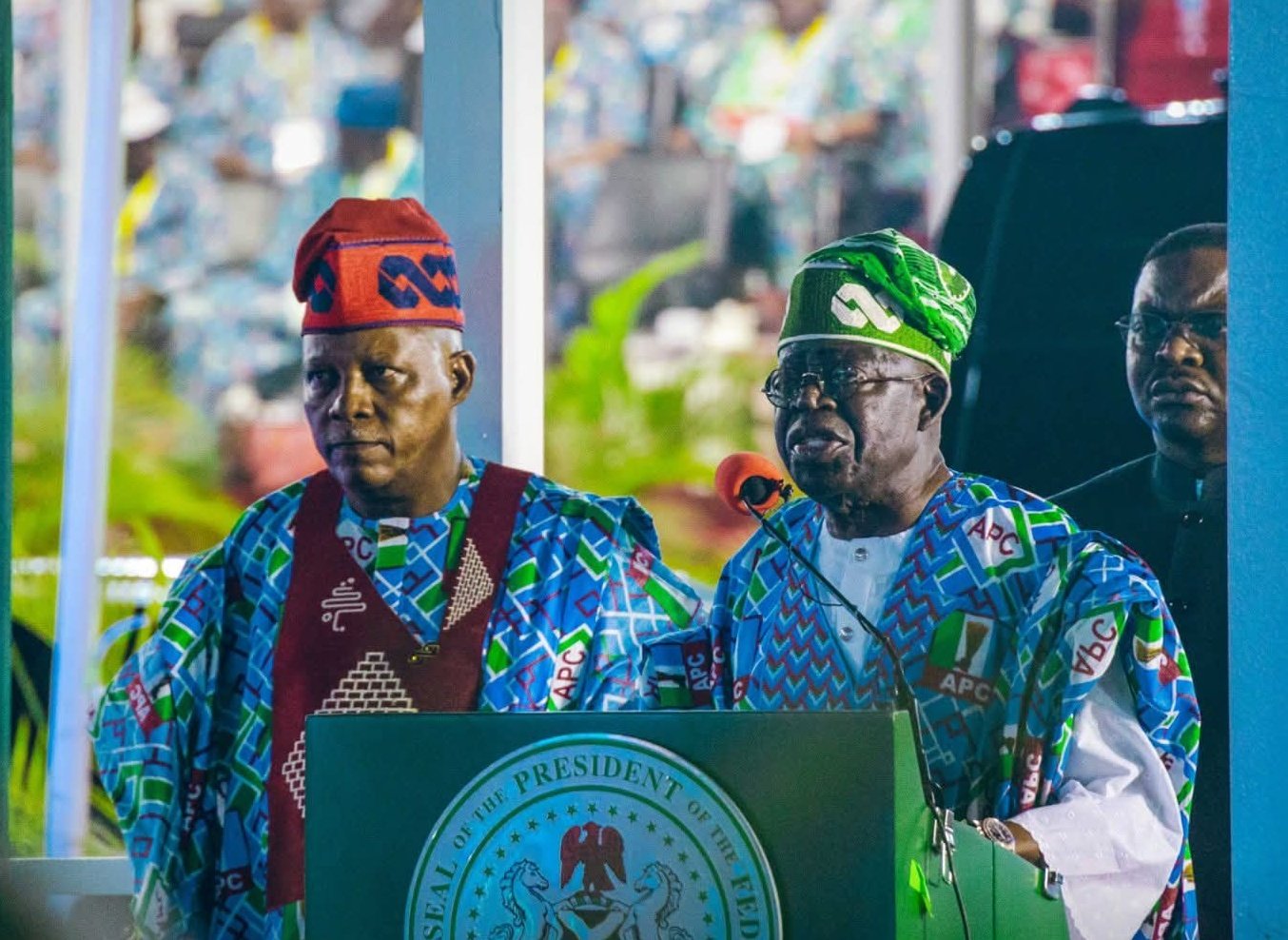
ABUJA, NIGERIA –President Bola Ahmed Tinubu has emerged as the undisputed presidential candidate of the All Progressives Congress for the 2027 general election after recording a sweeping landslide victory in the party’s nationwide direct primary election conducted across all 36 states and the Federal Capital Territory (FCT).
The exercise, held on Saturday, May 23, 2026, formally positioned Tinubu as the APC’s standard-bearer for a second term bid, consolidating his dominance within the ruling party despite growing economic hardship, security challenges, and increasing political tensions across the country.
However, beyond the massive vote figures announced across states, the primary has also triggered wider conversations about internal democracy, political competition, the structure of the APC nomination process, and the state of opposition politics ahead of the 2027 presidential election.
Tinubu Records Massive Nationwide Sweep
Official results released from multiple states showed Tinubu securing overwhelming victories, often by near-total margins, against his lone challenger, businessman Stanley Osifo.
In several states, Osifo reportedly recorded either negligible votes or none at all, raising questions among political analysts about the competitiveness of the exercise.
Among the major results announced:
- Adamawa State — 644,149 votes;
- Imo State — 582,960 votes;
- Gombe State — 450,516 votes;
- Delta State — 407,646 votes;
- Akwa Ibom State — 389,197 votes;
- Benue State — 374,787 votes;
- Ogun State — 322,485 votes;
- Zamfara State — 321,579 votes;
- Kwara State — 310,990 votes;
- Rivers State — 280,082 votes;
- Bayelsa State — 277,192 votes;
- Yobe State — 253,804 votes;
- Ebonyi State — 207,579 votes.
Reports from Borno State indicated that Tinubu secured 100 percent of the votes cast by APC members in the state.
In Lagos State, the President reportedly won overwhelmingly in his home ward, Ward L2 in Eti-Osa Local Government Area, where he polled 4,996 votes.
Direct Primary System Returns to National Spotlight
The APC adopted the direct primary model for the exercise, allowing registered party members across Nigeria’s 8,809 wards to vote directly instead of relying on a delegate-based system.
Party officials described the process as a demonstration of internal democracy and grassroots political participation.
Speaking after casting his vote in Lagos, Tinubu praised the exercise as peaceful and well coordinated.
“This is grassroots politics where every member of the party has the right to participate and be involved to ensure internal democracy,” the President said.
He also commended APC governors and party officials for coordinating the electoral process nationwide.
Questions Over Competitiveness of the Exercise
Despite the large turnout figures announced by party officials, critics and opposition figures questioned the overall competitiveness of the primary, particularly given the absence of strong challengers against the incumbent president.
Political analysts noted that Stanley Osifo, Tinubu’s lone opponent, lacked substantial political structure, national visibility, or institutional backing within the party.
The APC National Working Committee’s decision to waive the screening process for Tinubu ahead of the primary also generated debate among observers.
Party officials defended the waiver by citing Tinubu’s incumbency status and previous party clearance, but critics argued that the move reinforced perceptions of unequal internal competition.
Some analysts further questioned how voter accreditation, membership validation, and collation were independently monitored across thousands of wards nationwide.
Governors Play Strategic Role
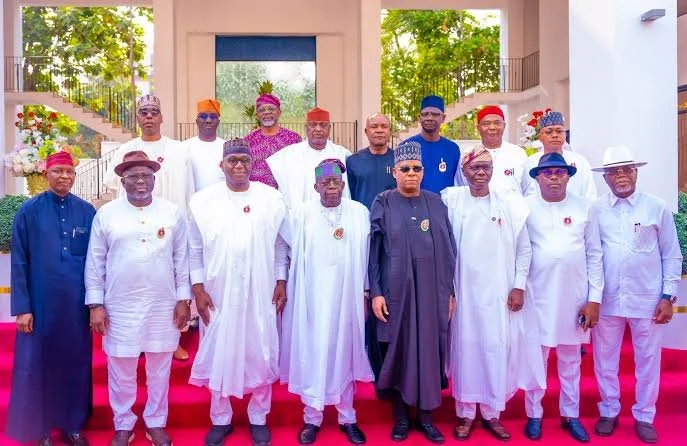
The exercise also highlighted the growing influence of APC governors and political heavyweights within the party’s internal machinery.
Serving and former governors reportedly acted as state coordinators and collation supervisors during the primary process, reinforcing the central role governors continue to play in shaping party structures and electoral outcomes.
In Rivers State, Governor Siminalayi Fubara reportedly supervised the process in which Tinubu secured all accredited votes cast.
In Benue State, Governor Hyacinth Alia oversaw collation activities where Tinubu won by an overwhelming margin.
Political observers say the governors’ involvement reflects APC’s broader strategy of consolidating institutional support ahead of the 2027 general election.
Opposition Faces Growing Pressure
Tinubu’s emergence as APC flagbearer significantly shifts national political attention toward opposition parties expected to challenge the ruling party in 2027.
Analysts believe opposition coalitions may now intensify negotiations around alliances, candidate selection, and regional political balancing as the APC formally enters campaign preparation mode.
The ruling party’s nationwide mobilisation during the direct primary is also being interpreted as an early demonstration of organisational strength ahead of the national election cycle.
Economic Realities and Electoral Calculations
Tinubu’s primary victory comes amid mounting public concerns over inflation, unemployment, insecurity, naira depreciation, fuel prices, and rising living costs.
While APC loyalists argue that the administration’s economic reforms require time to produce results, critics contend that worsening socio-economic conditions may become a major factor in the 2027 election.
Political analysts suggest the election may ultimately revolve around whether voters prioritise continuity and long-term reforms or seek alternative leadership amid current hardships.
Formal Declaration Scheduled in Abuja
The APC is expected to formally declare Tinubu winner of the presidential primary during a ceremony scheduled for Sunday at the Bola Ahmed Tinubu International Conference Centre in Abuja.
The President is expected to receive the party’s flag and Certificate of Return during the event as preparations intensify for the January 2027 general election timetable announced by the Independent National Electoral Commission (INEC).
President Tinubu’s overwhelming victory in the APC presidential primary confirms his continued dominance within the ruling party and sets the stage for what is expected to become one of Nigeria’s most consequential electoral contests in recent history.
However, the exercise has also reignited broader debates over internal democracy, political competition, incumbency advantage, and the future direction of Nigeria’s democratic system.
As the APC consolidates around Tinubu’s candidacy, opposition parties, civil society groups, and voters are likely to increasingly focus on governance performance, economic realities, and national security as the country moves toward the 2027 presidential election.







Leave a Reply