
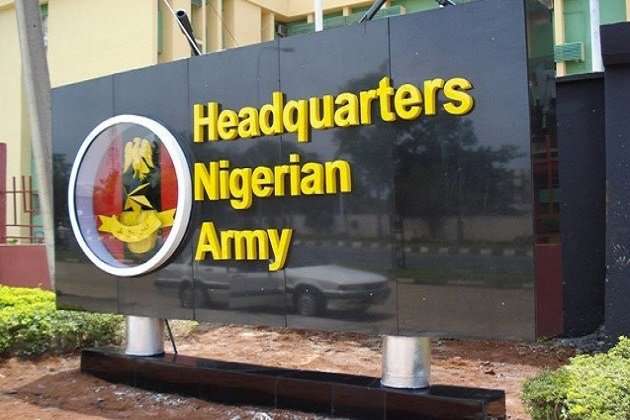
Defence lawyers question legality of closed-door military trial, allege shifting charges and constitutional violations in controversial coup prosecution
By A1NEWS International / May 25, 2026
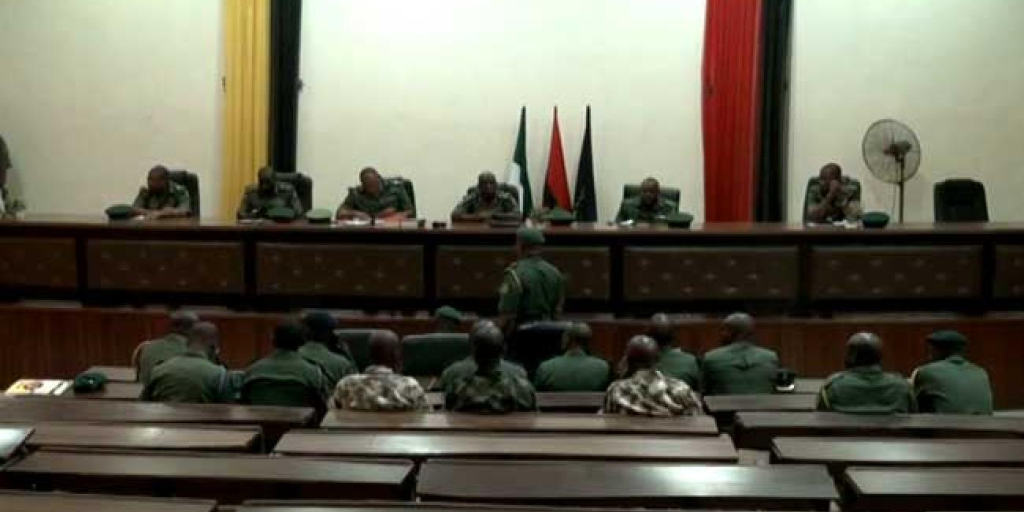
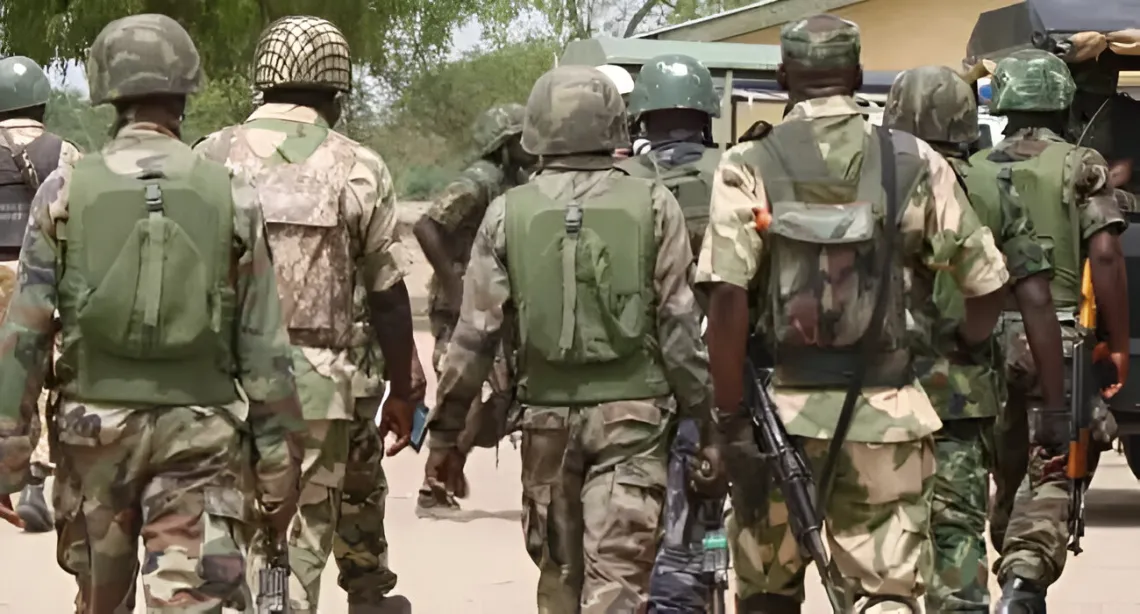
ABUJA, NIGERIA –Fresh controversy has erupted around the secret court martial of military officers accused of plotting a coup against the administration of President Bola Ahmed Tinubu, following dramatic confrontations between defence lawyers and military prosecutors over what were described as “vague, speculative and repeatedly recycled charges.”
The closed-door proceedings, reportedly involving dozens of detained officers, have intensified national debate over constitutional rights, military justice, transparency, and the legality of trying alleged treason-related offences before a military tribunal rather than a civilian court.
Multiple legal experts and rights advocates are now questioning whether the Nigerian military possesses the constitutional authority to prosecute alleged coup offences through secret court martial proceedings.
Confusion Trails Court Martial Proceedings
Sources familiar with the ongoing hearings disclosed that tensions escalated after defence lawyers openly accused military prosecutors of repeatedly amending, withdrawing, and reintroducing different versions of the charges against the accused officers.
According to insiders, the prosecution has allegedly struggled to establish a consistent legal framework for the allegations, leading to confusion inside the tribunal.
The defence team reportedly argued that the military authorities were attempting to continuously reshape the accusations in order to sustain the prosecution despite weak legal foundations.
Observers described scenes of confusion and procedural disputes as lawyers challenged inconsistencies surrounding allegations ranging from treason and coup plotting to mutiny-related offences.
Lawyers Reject Military Jurisdiction Over Treason Charges
A major point of contention in the proceedings centres on jurisdiction.
Defence lawyers insist that offences bordering on treason, terrorism, and attempts to overthrow the government fall exclusively under the jurisdiction of civilian courts, particularly the Federal High Court, as stipulated under the Nigerian Constitution.
According to the legal team, military authorities are allegedly attempting to reclassify constitutional offences as mutiny in order to retain jurisdiction within a court martial framework.
The lawyers described the move as an unlawful substitution of constitutional crimes with military disciplinary offences.
Legal analysts say the distinction is significant because mutiny is traditionally regarded as an internal military offence, while treason-related allegations are considered constitutional matters requiring civilian judicial oversight.
Secrecy Around Trial Raises Alarm
The secretive nature of the proceedings has further intensified criticism from legal observers, civil society organisations, and human rights advocates.
Reports indicate that journalists, diplomats, independent observers, and even some family members of the detained officers have been denied access to the hearings.
Critics argue that the lack of transparency undermines public confidence and raises concerns over fair hearing protections.
“It is impossible to talk about justice when everything is shrouded in secrecy,” one observer reportedly stated during the proceedings.
The defence team has demanded that the hearings be opened to accredited observers and media representatives to ensure accountability and compliance with due process standards.
Human Rights Concerns Deepen
The controversy surrounding the court martial extends beyond legal jurisdiction into allegations of mistreatment and deteriorating detention conditions involving some of the accused officers.
Earlier reports by rights advocates alleged that certain detainees appeared in leg chains during proceedings and were suffering untreated medical complications while in military custody.
Separate allegations also emerged claiming that at least one detained naval officer developed severe health complications, including partial blindness allegedly linked to torture and prolonged detention conditions.
While military authorities have not publicly responded in detail to the allegations, rights groups insist that the claims warrant independent investigation.
Human rights advocates argue that secretive military detention systems often create conditions vulnerable to abuse, coercion, and violations of constitutional protections.
Falana, Senior Lawyers Demand Civilian Trial
Prominent human rights lawyer Femi Falana has been among the leading voices opposing the court martial process.
Falana previously called for an immediate halt to the military trial, arguing that offences such as treason and terrorism fall squarely within the jurisdiction of the Federal High Court under Section 251 of the Nigerian Constitution.
According to him, prosecuting some suspects through military tribunals while related defendants face civilian trials creates constitutional inconsistencies and undermines equality before the law.
The senior lawyer also warned that allowing the military to function simultaneously as complainant, investigator, prosecutor, and judge creates serious conflict-of-interest concerns.
Other constitutional lawyers have echoed similar positions, insisting that allegations involving threats against the state require transparent judicial scrutiny within the civilian legal system.
Political and Security Implications
The alleged coup plot case has emerged at a politically sensitive moment for Nigeria amid growing economic hardship, insecurity, and political tensions.
Historically, allegations of coup plotting carry significant national implications given Nigeria’s long history of military interventions and political instability during previous decades.
Analysts say the secrecy surrounding the current proceedings has fueled speculation and heightened public anxiety, particularly in the absence of detailed official disclosures regarding the nature of the allegations, evidence, or identities of all accused persons.
Some observers warn that opaque handling of such sensitive national security cases could deepen mistrust between the military establishment, civil society, and democratic institutions.
Debate Over Military Justice System
The controversy has also reignited broader debate over Nigeria’s military justice framework and its relationship with constitutional democracy.
Legal experts argue that while courts martial remain essential for internal military discipline, their use in politically sensitive or constitutionally significant cases must comply strictly with civilian legal safeguards.
Questions are increasingly being raised over:
- The independence of military tribunals;
- Access to fair hearing protections;
- Transparency in national security prosecutions;
- Rights of detained military personnel;
- Oversight of military detention systems.
The unfolding crisis surrounding the secret court martial of officers accused of plotting a coup against President Tinubu’s government has evolved into a major constitutional and human rights controversy.
As defence lawyers challenge the legitimacy of the proceedings and rights groups demand transparency, the case is likely to become a critical test of Nigeria’s commitment to due process, judicial independence, and democratic accountability.
With pressure mounting on the Federal Government, the military high command, and the Attorney-General of the Federation, the handling of the controversial trial may ultimately shape both public trust in state institutions and the future boundaries of military justice in Nigeria.








Leave a Reply