
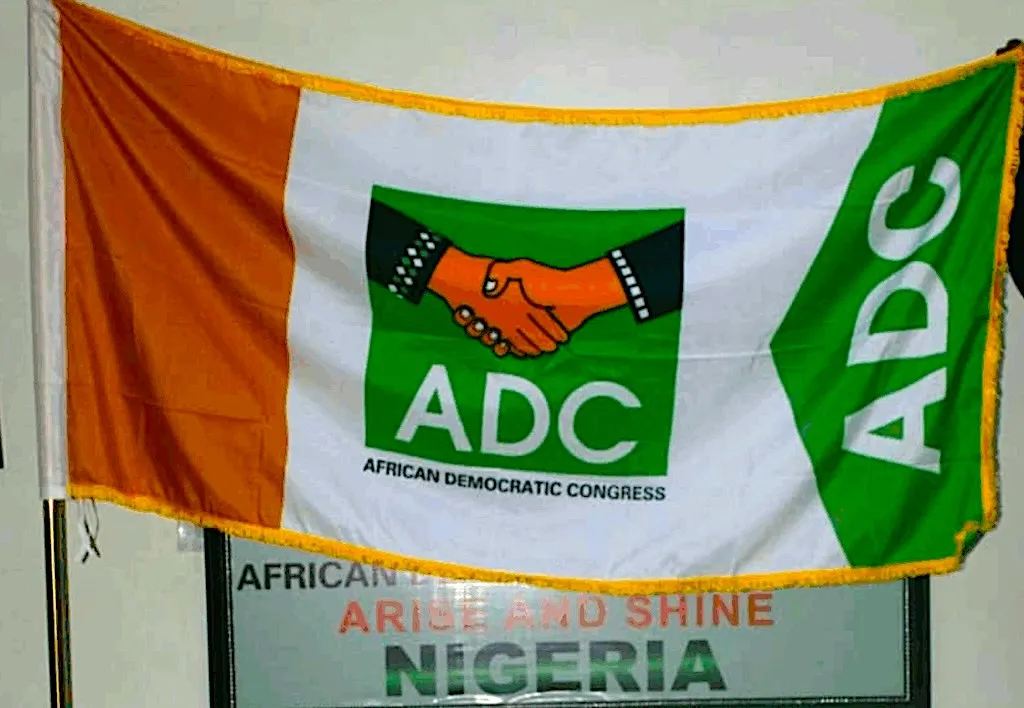
Controversy engulfs ADC presidential primary as Atiku Abubakar surges ahead in early results while rival camps allege rigging, disenfranchisement, and “concocted outcomes.”
By Baron Eloagu / May 26, 2026
ABUJA, NIGERIA —The presidential primary election of the African Democratic Congress (ADC) has descended into controversy, internal protests, and allegations of electoral malpractice, as former Vice President Atiku Abubakar reportedly takes an early lead in state-level results.
The contest, involving high-profile political figures including former Minister of Transportation Rotimi Amaechi and economist Mohammed Hayatu-Deen, has exposed deep divisions within the opposition party ahead of the 2027 general elections.
While early tallies suggest Atiku is dominating across several states, the process has been rejected by key contenders, with allegations of vote rigging, disenfranchisement, and irregular collation threatening the credibility of the exercise.
Atiku Takes Early Lead Across Multiple States
Preliminary results from the ADC presidential primary indicate that Atiku Abubakar has secured decisive victories in several states including Gombe, Abia, Ebonyi, Sokoto, and Zamfara.
In Gombe State alone, official figures showed Atiku recording over 139,000 votes, far ahead of his rivals. Similar trends were reported in other states where he maintained a significant margin.
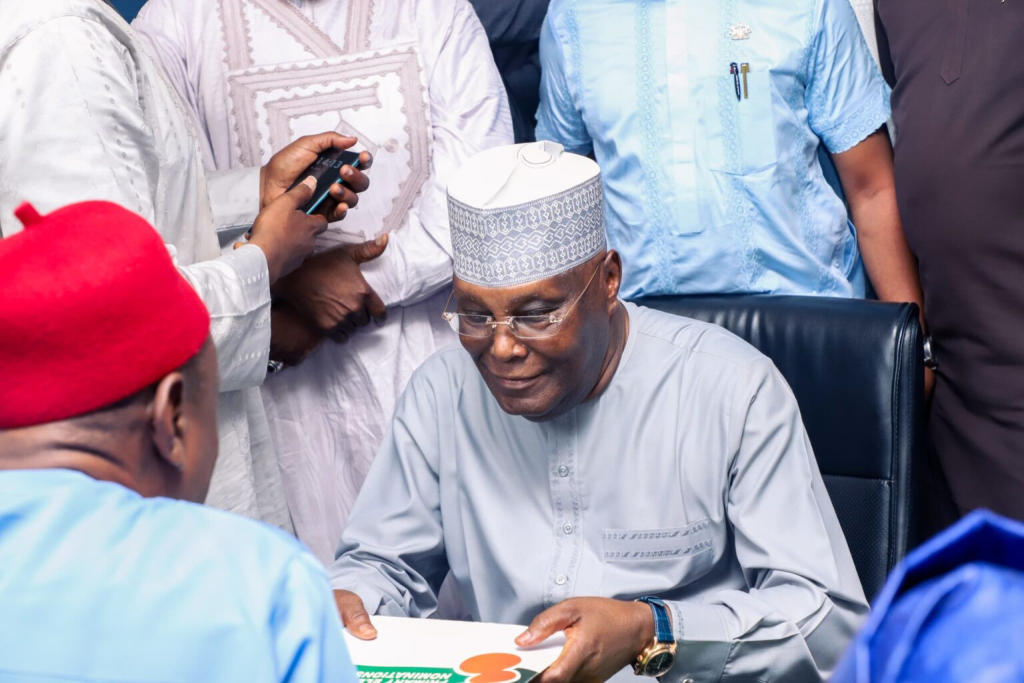
In Abia State, Atiku polled more than 25,000 votes, while in Ebonyi, he recorded over 15,000 votes. Sokoto and Zamfara results also reflected similar dominance, positioning him as the frontrunner in the race for the party’s 2027 presidential ticket.
Political observers say the early pattern strongly suggests a consolidation of delegate support around the former vice president, who previously contested presidential elections in 2019 and 2023 under the Peoples Democratic Party (PDP).
Amaechi Rejects Results, Alleges Widespread Irregularities
Tensions escalated sharply after Rotimi Amaechi publicly rejected the ongoing results, describing the process as “concocted” and fundamentally flawed.
In a statement posted on his verified X handle, Amaechi accused the ADC leadership of presiding over widespread voter disenfranchisement and electoral manipulation during the primary exercise.

He insisted that the outcome being circulated does not reflect the will of party members, warning that the process undermines the democratic values the party claims to uphold.
Amaechi’s position adds to growing tension within the opposition bloc, which has been positioning itself as a credible alternative ahead of the 2027 elections.
Hayatu-Deen Withdraws from Results Announcement
Another major twist came from economist and presidential aspirant Mohammed Hayatu-Deen, who announced he would boycott the official results announcement.
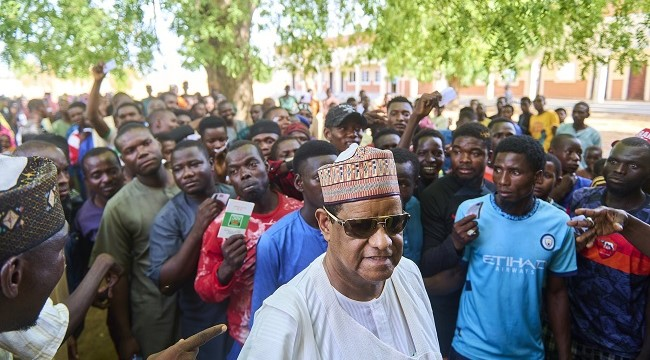
Hayatu-Deen cited reports of widespread vote rigging and irregularities across the country, stating that he personally observed some of the incidents during the exercise.
His withdrawal from the announcement ceremony has further intensified concerns over transparency and internal cohesion within the ADC.
ADC Leadership Yet to Release Final Collated Results
Despite growing controversy, the ADC national leadership is yet to formally announce final results from all 36 states and the Federal Capital Territory.
Party officials say collation is still ongoing, although figures emerging from several states already indicate a strong lead for Atiku Abubakar.
The party had earlier assured stakeholders of a transparent and democratic process, describing the primary as a defining moment for internal democracy in Nigeria’s opposition politics.
However, the unfolding dispute has raised questions about the credibility of the exercise and the unity of the party moving forward.
Allegations of Electoral Misconduct and Internal Strain
Both Amaechi and Hayatu-Deen have separately raised concerns about alleged irregularities, including voter exclusion, procedural inconsistencies, and manipulation of delegate processes.
Amaechi in particular accused the party of replicating the same electoral flaws it has previously criticized in Nigeria’s broader political system.
He argued that if internal democracy is compromised, the party loses moral authority to challenge the ruling establishment.
Political analysts warn that the crisis could deepen existing fractures within the opposition as parties begin realigning ahead of the 2027 general election cycle.
Broader Political Implications Ahead of 2027
The ADC primary is widely seen as a strategic test of strength among opposition figures seeking relevance in Nigeria’s evolving political landscape.
With Atiku Abubakar maintaining an early advantage, analysts believe the outcome could influence coalition-building efforts among opposition blocs seeking to challenge the ruling party.
However, ongoing disputes over transparency may weaken the party’s ability to present a unified front in future negotiations and alliances.
The ADC presidential primary, initially expected to demonstrate internal democratic maturity, has instead triggered accusations, withdrawals, and competing claims of victory.
While Atiku Abubakar appears to be consolidating early momentum, resistance from key contenders suggests that the final outcome may not resolve deeper structural tensions within the party.
As collation continues, the credibility of the process — and the unity of the ADC — now hangs in the balance.








Leave a Reply