
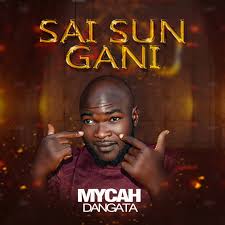
Detention of political activist Mycah Dangata ignites debate over democratic freedoms, political dissent, and the limits of opposition campaigning ahead of Nigeria’s next electoral cycle.
By Zakari Musa / June 9, 2026
KADUNA, NIGERIA — Fresh concerns over freedom of expression and political dissent have emerged in Kaduna State following the reported arrest of prominent political activist Zamani Musa, popularly known as Mycah Dangata, after he publicly called on residents to vote against President Bola Ahmed Tinubu, Governor Uba Sani, and all candidates of the ruling All Progressives Congress (APC).
The arrest, which has generated widespread reactions across political and civil society circles, is raising questions about the shrinking space for opposition voices, the role of security agencies in political matters, and the constitutional rights of citizens to freely express political opinions.
Sources familiar with the development alleged that Dangata was taken into custody shortly after videos of his political remarks circulated widely on social media platforms.
ACTIVIST’S COMMENTS THAT TRIGGERED CONTROVERSY
According to sources, Dangata came under scrutiny following comments made after recent APC political activities in Kaduna State.
In the widely circulated video, the activist openly endorsed the National Democratic Coalition (NDC) and former Senator Danjuma Laah while advocating what he described as a political power shift to Southern Kaduna.
He also urged residents to reject the APC at all levels of government during future elections.
The remarks included direct calls for voters to deny electoral support to President Tinubu, Governor Uba Sani, and other APC candidates.
Political observers note that while such comments may be controversial, political advocacy and electoral campaigning generally fall within the ambit of democratic participation protected under Nigeria’s Constitution.
ALLEGED ROLE OF OPERATION FUSHIN KADUNA
Sources alleged that Dangata was arrested by operatives linked to Operation Fushin Kaduna, a security initiative established by the Kaduna State Government in collaboration with security agencies to combat kidnapping, banditry, and other violent crimes.
The security outfit was originally created to strengthen intelligence gathering and improve rapid response against criminal activities threatening communities across the state.
However, reports that the outfit may have been involved in the arrest of a political activist have triggered concerns among rights advocates regarding the deployment of security structures in politically sensitive matters.
As of the time of filing this report, neither the Kaduna State Government nor security authorities had publicly clarified the legal basis for the arrest.
EL-RUFAI COMPARISON MAY HAVE DEEPENED POLITICAL TENSIONS
Sources familiar with the matter suggested that Dangata’s criticism may have gone beyond electoral advocacy.
According to individuals close to the development, the activist allegedly compared Governor Uba Sani’s leadership style unfavourably with that of former Kaduna State Governor, Nasir El-Rufai.
The comparison reportedly portrayed El-Rufai as more responsive to public opinion and grassroots political participation.
While such political comparisons are common in democratic systems, analysts note that they can become politically sensitive, particularly in environments where rival factions and competing interests remain active within the same political ecosystem.
The relationship between supporters of Governor Sani and those aligned with El-Rufai has been the subject of increasing political speculation in recent months.
VIDEO MESSAGE CALLS FOR POLITICAL REALIGNMENT
In the video obtained by media platforms, Dangata accused the current administration of undermining democratic principles by allegedly influencing local political choices.
Speaking in Hausa, he argued that political leaders should allow communities to determine their preferred representatives without interference.
He further urged citizens to unite against the APC in future elections, insisting that democratic participation requires voters to hold leaders accountable through the ballot box.
His comments reflected growing political debates over governance, representation, and internal party democracy within Kaduna State.
LEGAL QUESTIONS OVER POLITICAL SPEECH
Legal experts contacted by A1NEWS International noted that Nigeria’s Constitution guarantees freedom of expression, freedom of association, and political participation.
Constitutional lawyers argue that citizens retain the right to support or oppose political parties and candidates, provided their activities do not incite violence or threaten public order.
Human rights advocates have therefore called for transparency regarding the circumstances of Dangata’s arrest.
“If an individual is arrested solely for expressing political opinions or urging citizens to vote for or against a political party, serious constitutional questions arise,” one legal analyst observed.
However, analysts also note that authorities may intervene if statements are deemed capable of inciting unrest, though any such action must comply with due process and established legal standards.
CIVIL SOCIETY GROUPS MONITORING DEVELOPMENTS
The reported arrest has attracted attention from civil society organisations, democracy advocates, and political observers who fear the development could have broader implications for political freedoms ahead of future elections.
Several groups are reportedly seeking clarification from relevant authorities regarding the specific allegations against the activist and the legal grounds for his detention.
Observers warn that perceptions of politically motivated arrests could undermine public confidence in democratic institutions and electoral processes.
BROADER DEBATE ON DEMOCRACY AND DISSENT
The incident comes amid increasing national conversations about civic freedoms, political accountability, and citizens’ rights to challenge elected officials through lawful democratic means.
As political activities begin to intensify ahead of future electoral contests, analysts say authorities will face growing scrutiny over how they balance public security concerns with constitutional protections for political expression.
The case is also likely to test public confidence in Nigeria’s commitment to democratic norms, especially regarding the treatment of opposition voices and government critics.
The reported arrest of Kaduna activist Mycah Dangata has moved beyond a local political controversy to become a wider test of democratic tolerance and constitutional freedoms.
While authorities have yet to publicly explain the circumstances surrounding the detention, the case has already ignited debate over the rights of citizens to campaign against political parties, criticize elected officials, and advocate alternative political choices without fear of arrest.
As stakeholders await official clarification, the incident is likely to remain a focal point in discussions about governance, democracy, and civil liberties in Kaduna State and across Nigeria.





Leave a Reply