

Nottingham Forest striker faces possible sanction as pundits clash on neutrality rules in English football
By A1 News International
Abuja, Nigeria — March 25, 2026
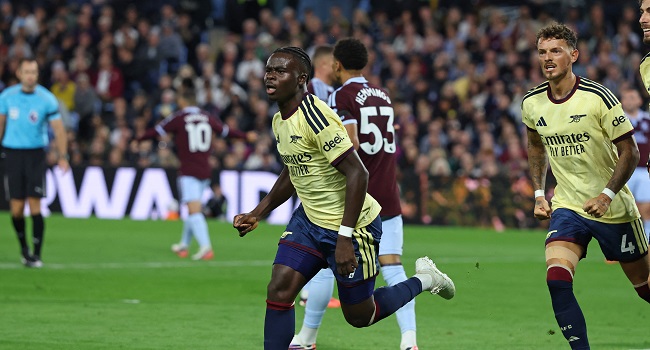
Nigerian forward Taiwo Awoniyi is at the centre of a growing controversy in England after his goal celebration for Nottingham Forest sparked debate over religious expression in football.
The striker revealed a “God is the greatest” message during a Premier League match, drawing scrutiny under regulations that prohibit religious or political displays on the pitch.
Awoniyi scored in Nottingham Forest’s 3-0 victory over Tottenham Hotspur, converting from close range after a delivery from Neco Williams.
In celebration, he lifted his jersey to reveal an undershirt bearing a religious message, an act that contravenes rules set by the International Football Association Board.
Under these laws, players are barred from displaying slogans deemed political, religious, or personal, with sanctions enforceable by governing bodies such as the Football Association and FIFA.
Awoniyi was booked during the match and could face further disciplinary action.
Diverging Views on Enforcement
The incident has triggered widespread debate across British media and football circles.
Commentator Emma Woolf argued that while the message itself was not offensive, allowing religious or political expressions in football risks creating division and undermining neutrality.
She maintained that sport should remain a neutral space, warning that inconsistent enforcement of rules could open the door to more controversial expressions.
Woolf also questioned oversight mechanisms within clubs, asking how the player was able to wear the undershirt without detection prior to the match.
Counter-Arguments and Wider Concerns
Former footballer Micky Quinn dismissed the controversy as misplaced, insisting that football authorities should prioritise more pressing issues such as racism and abuse within the game.
He noted that players historically displayed personal messages without sanctions, arguing that Awoniyi’s action did not warrant disciplinary measures.
Broadcaster Patrick Christys also questioned the consistency of enforcement, pointing to other forms of expression permitted in football, including social and cultural campaigns.
Background and Precedents
The debate has extended to social media and advocacy groups, with critics highlighting perceived inconsistencies in how governing bodies apply regulations on expression.
Awoniyi’s international teammate, Calvin Bassey, amplified criticism online, while organisations such as the Christian Emergency Alliance argued that the response reflects uneven treatment of religious expression.
Comparisons have also been drawn with previous cases, including an incident involving Marc Guehi, who faced regulatory attention for displaying a religious message during a league campaign linked to LGBTQ+ advocacy.
The controversy underscores a broader governance challenge within football: balancing freedom of expression with the need for neutrality in a global sport. As leagues increasingly engage with social and cultural issues, inconsistencies in rule enforcement risk eroding credibility and fuelling division among players and fans.
For stakeholders, the outcome of Awoniyi’s case could shape how future expressions—religious, political, or social—are regulated across competitions.



Leave a Reply