
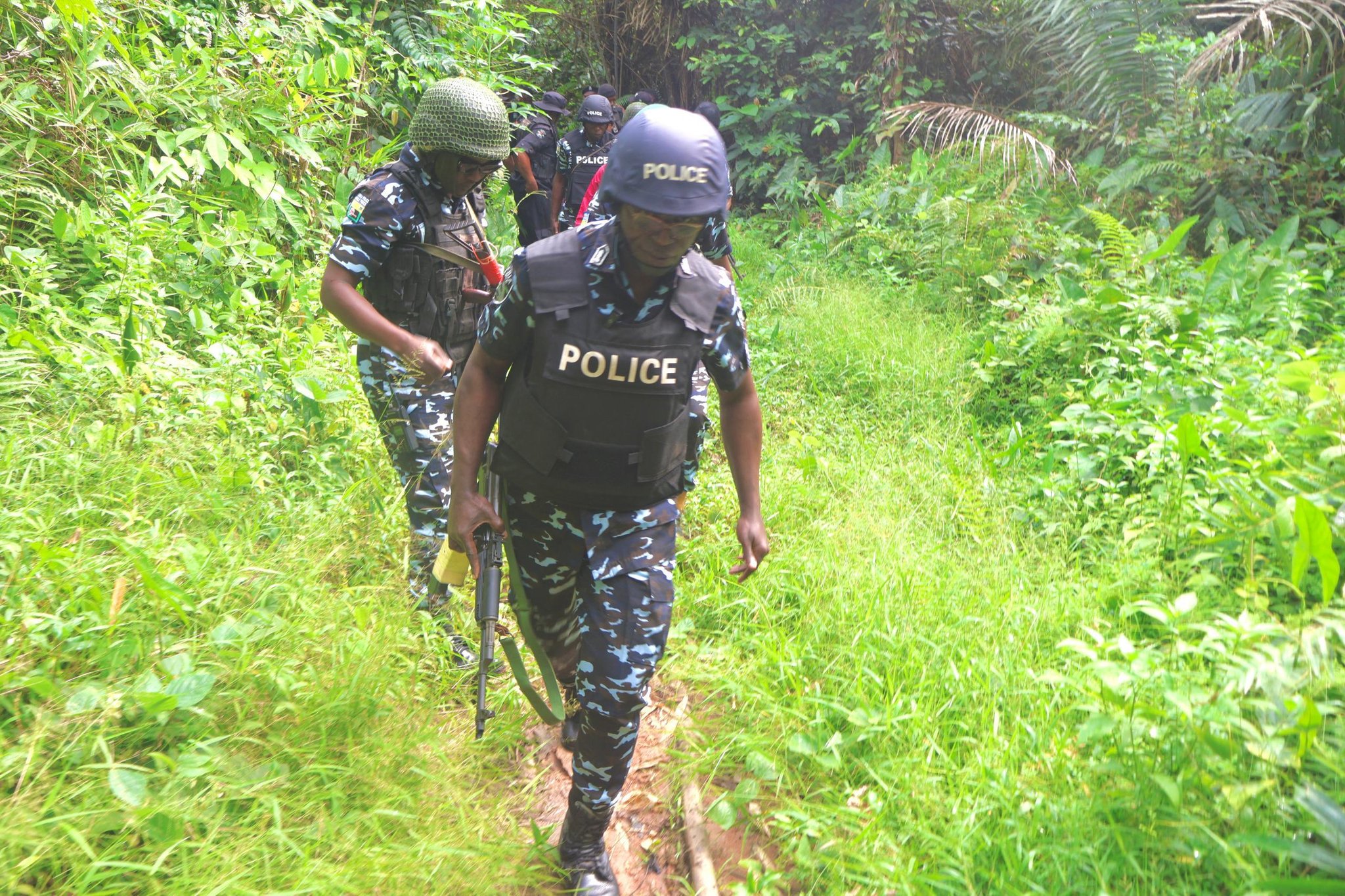
Federal High Court judgment affirms citizens’ right to document police operations, mandates visible identification for officers on duty
By Ayomide Wabara
ABUJA, Nigeria — June 29, 2026
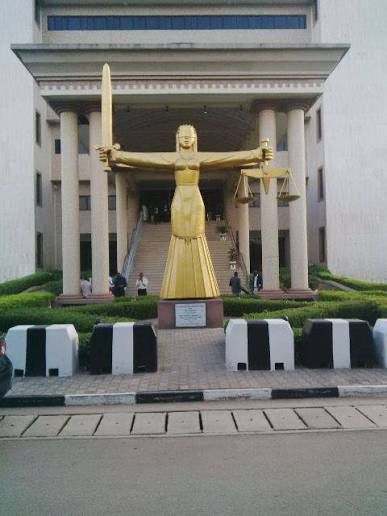
A landmark judgment of the Federal High Court in Warri is increasingly being cited by legal practitioners and civil rights advocates as a significant milestone in Nigeria’s ongoing police reform efforts, following its affirmation of citizens’ constitutional right to record police officers carrying out public duties.
The judgment, delivered by Justice Hyeladzira A. Nganjiwa, also reinforced the legal obligation of police officers to display visible identification, including name tags and force numbers, while performing official assignments.
Observers say the decision has contributed to noticeable improvements in the conduct of police personnel during stop-and-search operations across parts of the country, although no official nationwide assessment has yet been released by the Nigeria Police Force.
Incident That Triggered the Legal Battle
The case originated from an incident that reportedly occurred around May 10, 2025, when legal practitioner Maxwell Nosakhare Uwaifo was travelling from Benin City to Warri.
According to court records and accounts presented during the proceedings, Uwaifo was stopped near the Sapele Roundabout by police officers who sought to search him.
He alleged that during the encounter, the officers questioned him aggressively while operating in a black Toyota Sienna vehicle that bore no official police markings or registration plates.
Uwaifo further claimed that none of the officers displayed visible name tags, force numbers or other identifying insignia required of police personnel on official duty.
Concerned about his safety and the legitimacy of the operation, he attempted to record the encounter with his mobile phone.
He alleged that the officers threatened him and prevented him from continuing the recording.
Questions Placed Before the Court
Following the incident, Uwaifo approached the Federal High Court seeking judicial clarification on several constitutional and statutory questions.
Among the issues raised were:
- Whether police officers on operational duty are legally required to wear visible name tags and force numbers.
- Whether citizens have the constitutional right to record police officers performing official duties in public places.
- Whether security personnel can lawfully intimidate, harass, arrest or confiscate phones from citizens documenting public law enforcement activities.
The suit was widely viewed as a test case on the balance between law enforcement powers and citizens’ constitutional rights.
Court Delivers Landmark Judgment
In his judgment, Justice Hyeladzira A. Nganjiwa ruled substantially in favour of the applicant.
The court held that police officers are under a legal obligation to display their official identification while on duty.
Justice Nganjiwa further declared that citizens possess the right to record police officers carrying out public functions, provided such recording does not obstruct legitimate law enforcement activities.
The court also restrained the police from intimidating, harassing, arresting or confiscating recording devices from citizens solely because they documented police operations.
Additionally, the court awarded Maxwell Nosakhare Uwaifo ₦5 million in damages for the violation of his rights.
Police Response and Reform Implications
Unlike several other high-profile human rights judgments that proceed through prolonged appeals, the Nigeria Police Force reportedly did not challenge the decision.
Instead, the judgment has been regarded by many observers as complementing ongoing institutional reforms aimed at improving professionalism, transparency and accountability within the Force.
Legal experts note that visible identification of officers enhances public confidence while reducing opportunities for impersonation, abuse of authority and unlawful arrests.
Similarly, allowing citizens to document police activities is increasingly viewed as an important accountability mechanism consistent with democratic policing practices around the world.
Broader Significance for Citizens
Human rights advocates argue that the judgment has implications beyond one individual case.
By affirming the legality of recording police officers performing public duties, the court strengthened constitutional protections relating to freedom of expression, access to information and protection from arbitrary treatment.
The decision also reinforces the principle that accountability is an essential component of modern policing.
Legal analysts believe the judgment could influence future litigation involving citizens’ rights during police encounters and further shape police operational guidelines nationwide.
The Federal High Court’s decision in the Maxwell Nosakhare Uwaifo case represents one of Nigeria’s most significant judicial pronouncements on police accountability in recent years.
By affirming citizens’ right to record public police operations and insisting on visible identification for officers on duty, the judgment has established important legal safeguards designed to protect both law enforcement personnel and members of the public.
Although continued implementation and compliance remain essential, the ruling is increasingly regarded as a landmark contribution to Nigeria’s evolving criminal justice and police reform landscape.






Leave a Reply