
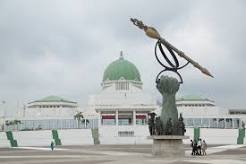
Coalition of Nigerian, African and international organisations says proposed legislation threatens civic space, constitutional freedoms and democratic governance as the country prepares for the 2027 general elections.
By Amarachi Odenigbo
ABUJA, Nigeria — August 3, 2026
A coalition of 71 Nigerian, African and international civil society and human rights organisations has issued one of the strongest collective warnings yet over the state of Nigeria’s democracy, urging the National Assembly to immediately withdraw a series of controversial bills it says could significantly weaken civic freedoms, independent media, digital rights and democratic accountability.
The organisations argue that the proposed legislation—coming less than two years before the 2027 general elections—could fundamentally alter the relationship between the Nigerian state and civil society by expanding executive oversight over non-governmental organisations (NGOs), tightening government influence over digital platforms and creating an environment that discourages dissent and public participation.
Presented under the theme “Nigeria’s Democracy at a Crossroads: Protecting Civic Space, Constitutional Freedoms and Democratic Governance,” the coalition’s position represents a broad alliance of democracy advocates, anti-corruption groups, media organisations and international human rights bodies concerned about what they describe as a steady contraction of civic space since Nigeria’s return to democratic rule in 1999.
A Broad Coalition Raises the Alarm
The coalition comprises some of Nigeria’s most prominent civil society organisations, including:
- Amnesty International Nigeria
- Socio-Economic Rights and Accountability Project (SERAP)
- ActionAid Nigeria
- BudgIT Foundation
- Yiaga Africa
- Centre for Democracy and Development (CDD)
- Centre for Journalism Innovation and Development (CJID)
- Media Rights Agenda (MRA)
- CLEEN Foundation
- Transition Monitoring Group (TMG)
Together with several African and international organisations, the coalition argues that the National Assembly now faces a defining constitutional responsibility that could shape Nigeria’s democratic future.
According to the joint statement, the country is witnessing an increasing number of legislative proposals capable of expanding governmental control over civic activities while limiting constitutionally guaranteed freedoms.
Concerns Over Shrinking Civic Space
The organisations contend that Nigeria’s civic environment has experienced one of its most significant declines since the restoration of democratic governance in 1999.
According to the coalition, recent years have seen increasing reports of:
- Arrests of journalists and bloggers.
- Judicial harassment of activists.
- Criminal prosecutions of government critics.
- Restrictions on peaceful assembly.
- Pressure on media organisations.
- Growing use of cybercrime legislation against dissenting voices.
The coalition specifically referenced the continued prosecution of activist and publisher Omoyele Sowore, alleged legal actions involving SERAP, and the application of the Cybercrimes Act against journalists and online commentators.
The organisations also cited findings attributed to the Committee to Protect Journalists (CPJ), which reportedly documented dozens of cases involving journalists who were arrested, attacked or harassed across several Nigerian states during the current administration.
While the Federal Government has repeatedly maintained that existing laws are necessary to protect national security, combat misinformation and strengthen public order, civil society groups argue that enforcement has increasingly affected legitimate journalism, advocacy and public criticism.
Bills at the Centre of the Controversy
Among the proposals drawing the strongest criticism is the Foreign Aids (Regulation, Transparency and Disclosure) Bill, 2026 (SB.1034).
Supporters of the bill argue that it is designed to improve transparency and accountability regarding foreign funding received by organisations operating in Nigeria.
However, the coalition contends that the legislation goes much further.
According to the groups, the bill would establish a Foreign Aid Regulatory Commission empowered to:
- Register organisations receiving foreign assistance.
- Conduct inspections and audits.
- Demand financial disclosures.
- Suspend or sanction organisations.
- Enforce compliance with government-defined development priorities.
Critics argue that these powers could subject independent civil society organisations to excessive executive influence.
They further maintain that similar oversight responsibilities are already exercised by institutions such as:
- The Corporate Affairs Commission (CAC).
- The Economic and Financial Crimes Commission (EFCC).
- The Special Control Unit Against Money Laundering (SCUML).
For that reason, they question whether establishing another regulatory body is necessary.
Debate Over Social Media Regulation
Another controversial proposal seeks to require major social media companies operating in Nigeria to establish physical offices within the country.
Supporters have argued that such a requirement could improve regulatory compliance, facilitate tax administration, strengthen consumer protection and enable quicker responses to legal requests.
However, the coalition warns that making local offices a condition for operating in Nigeria could increase governmental leverage over digital platforms.
According to the organisations, such measures may:
- Restrict freedom of expression.
- Increase opportunities for censorship.
- Discourage technology investment.
- Limit access to independent sources of information.
- Place political pressure on digital platforms.
They argue that any digital regulation should remain consistent with constitutional protections and internationally recognised human rights standards.
2027 Elections and Democratic Participation
Perhaps the coalition’s greatest concern centres on the timing of the proposed legislation.
With preparations for the 2027 general elections expected to intensify over the coming months, civil society organisations fear the bills could discourage robust public debate.
The coalition argues that democracy functions most effectively when:
- Journalists investigate without intimidation.
- Civil society organisations monitor governance independently.
- Citizens participate freely in public affairs.
- Political actors compete on a level playing field.
- Digital platforms remain accessible for public discourse.
According to the organisations, legislation perceived as restricting civic participation could undermine public confidence in democratic institutions during a critical electoral period.
Nigeria’s Constitutional and International Obligations
The coalition reminded lawmakers that Nigeria is a signatory to several regional and international human rights instruments.
These include:
- The Constitution of the Federal Republic of Nigeria.
- The African Charter on Human and Peoples’ Rights.
- The International Covenant on Civil and Political Rights (ICCPR).
- Various commitments under the African Union (AU), ECOWAS and the United Nations.
The organisations argue that legislation affecting freedom of expression, association and assembly should be carefully scrutinised to ensure consistency with both constitutional guarantees and international obligations.
Calls for Broader Stakeholder Consultation
Rather than adopting restrictive legislation, the coalition urged lawmakers to pursue extensive consultations before introducing reforms affecting civic freedoms.
The groups recommended involving:
- Civil society organisations.
- Journalists.
- Media owners.
- Digital rights advocates.
- Legal experts.
- Technology companies.
- Human rights organisations.
- Academic institutions.
They argue that inclusive consultations would strengthen legislation while enhancing public trust and democratic legitimacy.
The Other Side of the Debate
Successive Nigerian governments have defended efforts to regulate foreign funding, online platforms and digital communications by arguing that stronger oversight is necessary to:
- Combat cybercrime.
- Address misinformation.
- Prevent foreign interference.
- Improve transparency.
- Enhance national security.
- Ensure regulatory compliance by multinational technology companies.
Supporters of greater regulation maintain that every sovereign nation possesses the authority to establish legal frameworks governing organisations and businesses operating within its jurisdiction.
The debate therefore reflects the continuing challenge of balancing national security, regulatory oversight and constitutional freedoms.
A Defining Moment for Nigeria’s Democracy
The coalition concluded that the National Assembly now faces a historic constitutional decision.
According to the organisations, lawmakers have an opportunity either to reinforce democratic institutions or to enact legislation that could significantly narrow civic space.
They urged legislators to withdraw the contested bills entirely and instead enact reforms that promote transparency, accountability, citizen participation and respect for fundamental rights.
The organisations argue that strengthening democracy requires protecting—not restricting—the institutions and voices that hold governments accountable.
The intervention by 71 civil society organisations has intensified national debate over the future of democratic governance in Nigeria.
As lawmakers continue deliberations on legislation affecting NGOs, digital platforms and civic participation, the controversy has become far more than a dispute over individual bills. It now raises broader constitutional questions about the balance between state regulation, national security and the protection of fundamental freedoms.
With the 2027 general elections approaching, decisions taken by the National Assembly in the coming months are likely to shape Nigeria’s democratic landscape for years to come.
Whether Parliament chooses expanded regulation or stronger constitutional safeguards may ultimately determine how future generations assess the resilience of Nigeria’s democracy at one of its most consequential moments since the country’s return to civilian rule.




Leave a Reply