

NCDC reports rising fatality rate and widening spread of infections nationwide.
By Obehi Ojoh | Abuja, Nigeria
Nigeria Centre for Disease Control and Prevention (NCDC) has confirmed 146 deaths from Lassa fever between January and mid-March 2026, as the disease continues to spread across the country.
The agency also disclosed that 38 health workers have been infected, underscoring ongoing risks within Nigeria’s healthcare system.
According to the NCDC’s Epidemiological Week 11 report (March 9–15), the case fatality rate has risen to 25.1 per cent, compared to 18.7 per cent recorded during the same period in 2025.
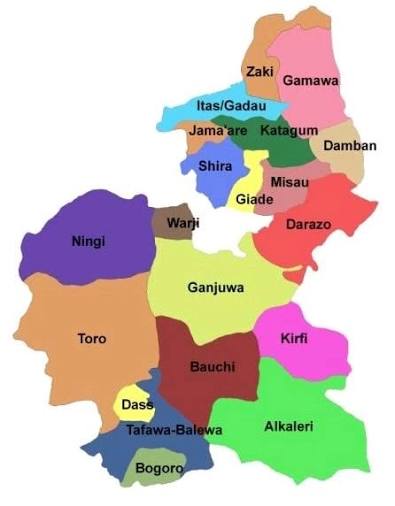
Confirmed cases increased from 40 in Week 10 to 66 in Week 11, with new infections reported in Bauchi, Ondo, Taraba, Plateau, Edo, Benue, Kogi, Gombe, and Niger states.
Cumulatively, 21 states and 82 local government areas have recorded at least one confirmed case in 2026, indicating a broad geographic spread.
Five states — Bauchi, Ondo, Taraba, Benue, and Edo — account for 85 per cent of all confirmed cases. Bauchi leads with 28 per cent, followed by Ondo (21 per cent) and Taraba (20 per cent), while Benue and Edo each account for eight per cent.
Health Workers at Risk
The NCDC reported that 38 healthcare workers have been infected so far this year, although no new cases among frontline workers were recorded in the latest reporting week.
The infections have been linked to inadequate use of personal protective equipment (PPE), low suspicion of Lassa fever during early patient contact, and lapses in infection prevention and control practices.
Young adults aged 21 to 30 years remain the most affected demographic, although cases have been recorded across a wide age range.
Rising Fatality, Persistent Challenges
Despite fewer overall cases compared to the same period in 2025, the higher fatality rate points to ongoing challenges, including late presentation of patients and gaps in case management.
The NCDC has activated a national multi-partner Incident Management System to coordinate response efforts across affected states.
However, key challenges persist, including poor health-seeking behaviour driven by treatment costs, low awareness in high-burden communities, and poor environmental sanitation that facilitates transmission.
The agency urged state governments to intensify public awareness campaigns and preventive measures, while advising healthcare workers to maintain vigilance, ensure early diagnosis, and adhere strictly to infection control protocols.
About Lassa Fever
Lassa fever is a viral haemorrhagic disease transmitted primarily through contact with food or surfaces contaminated by the urine or faeces of infected rodents. Human-to-human transmission can also occur through contact with bodily fluids.
Symptoms typically begin with fever, weakness, and headache but can escalate to severe complications, including bleeding, respiratory distress, and organ failure if not treated promptly.
The rising fatality rate and infections among health workers highlight critical gaps in Nigeria’s disease response system. Without improved early detection, public awareness, and infection control, the outbreak could place further strain on the healthcare system and increase mortality. CATEGORY










Leave a Reply