

By Alhassan Mongonu
BAUCHI, NIGERIA | NOVEMBER 14, 2026
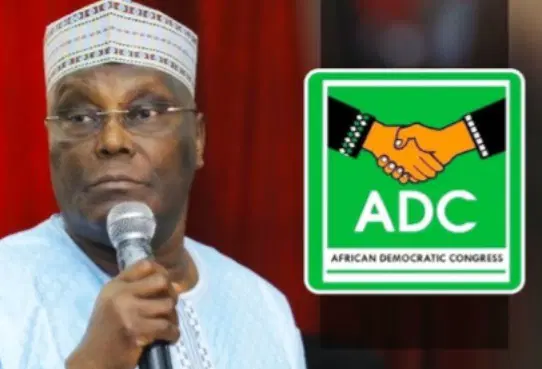
Former Vice-President and African Democratic Congress (ADC) presidential candidate, Atiku Abubakar, has unveiled a series of economic and security promises to voters in Bauchi State, pledging to revive oil exploration at the Kolmani oil field, restore petroleum and electricity subsidies, and strengthen security across Nigeria if elected president in the 2027 general elections.
Atiku made the commitments on Saturday during an ADC campaign rally at the Sir Abubakar Tafawa Balewa Stadium in Bauchi, where he appealed to residents to support candidates of the party across all levels of government.
His promises place energy affordability, petroleum development, regional security and economic welfare at the centre of his proposed administration’s agenda. However, the campaign declarations also raise questions about the financing, implementation and long-term sustainability of the proposed policies.
KOLMANI OIL PROJECT: ATIKU PROMISES RENEWED EXPLORATION
A major highlight of Atiku’s campaign address was his pledge to sustain and revive petroleum exploration activities at the Kolmani oil field, located within the Bauchi-Gombe axis.
The former Vice-President described the project as a potential additional source of national revenue, arguing that continued exploration could expand Nigeria’s petroleum resources and strengthen government earnings.
He told the crowd:
“I also promise that I will continue the exploration of petroleum in Kolmani so that we will have an additional source of revenue.”
The Kolmani project has attracted considerable attention because of its potential significance to petroleum exploration in Nigeria’s North-East. Its development has also been associated with expectations of new investment, employment opportunities and economic diversification in the region.
Atiku’s pledge signals an intention to place the project back on the national energy development agenda if he secures victory in 2027.
Nevertheless, important questions remain about the project’s commercial viability, investment requirements, infrastructure, production timeline and the extent to which renewed exploration could translate into measurable economic benefits for host communities.
FUEL AND ELECTRICITY SUBSIDIES: PROMISE OF ECONOMIC RELIEF
Atiku also promised to restore subsidies on petroleum products and electricity, presenting the proposed interventions as measures to reduce the financial pressure on Nigerian households and businesses.
According to him, restoring petroleum subsidies would form part of his commitments to Nigerians, alongside renewed government support for electricity consumption.
He said:
“Believe me, if you go by the past results, you are the state that has supported me the most with votes. I shall never forget that.
“And if you give me another opportunity, let me tell you three things I can do for you. I have already promised all Nigerians that I will restore the petroleum subsidy. Not only that, I will also restore subsidies on electricity power.”
The pledge comes against the background of continuing public debate over the cost of living, energy affordability, electricity tariffs and the broader economic consequences of subsidy reforms.
Although subsidies can provide immediate relief to consumers, their restoration would require substantial government financing and a clearly defined implementation framework.
Key issues that would need to be addressed include the cost of the proposed interventions, funding sources, transparency mechanisms and measures to prevent leakages and ensure that the benefits reach intended consumers.
Atiku did not provide specific financial projections or explain how his proposed subsidy programme would be funded during the rally.
SECURITY: ADC CANDIDATE VOWS TO ADDRESS NORTH-EAST CRISIS
Security was another major component of the ADC presidential candidate’s campaign message.
Atiku pledged to restore security across the North-East and other parts of Nigeria, a region that has endured prolonged security challenges, including insurgency, attacks on communities, displacement and disruptions to economic activities.
He identified security restoration as one of the major priorities of his proposed administration.
“Thirdly, I will generally restore security in the North-Eastern region and the country,” he declared.
The promise is particularly significant to communities in Bauchi and neighbouring states, where insecurity has remained a major concern for residents, farmers, traders and other economic stakeholders.
However, Atiku did not outline specific operational strategies, funding commitments or institutional reforms through which his administration would pursue the proposed security objectives.
The implementation of such a programme would require coordination among security agencies, intelligence institutions, state governments and affected communities.
ATIKU CALLS FOR ADC SUPPORT ACROSS ALL ELECTIVE POSITIONS
Beyond his policy promises, Atiku urged voters in Bauchi State to support ADC candidates in every category of the 2027 elections, from the presidency to state and local legislative positions.
He expressed appreciation for the support Bauchi voters had given him in previous electoral contests, describing the state as one of the strongest sources of his electoral backing.
The former Vice-President assured residents that he would not take their loyalty for granted, promising to reciprocate their confidence through policies focused on public welfare and development.
He also called on voters to protect their electoral mandates by ensuring that ballots were properly counted and results transmitted before leaving their polling units.
Atiku told supporters:
“I want you to make sure you come out in your thousands, you vote for ADC, you ensure that the votes are counted and you ensure that the results are transmitted before you leave the polling unit.”
He further urged residents to remain vigilant throughout the electoral process, extending the appeal beyond the presidential contest to state assembly elections.
“You are very well known for protecting your democratic rights. Please do so, from the presidential election up to the state assembly election,” he added.
CAMPAIGN PROMISES AND THE QUESTIONS AHEAD OF 2027
Atiku’s Bauchi campaign address places four major issues at the centre of his political message: petroleum exploration, energy affordability, national security and electoral accountability.
While the commitments offer an indication of the priorities he intends to pursue if elected, their practical implications will depend on the policies, institutional arrangements and financial resources required for implementation.
In particular, the proposed restoration of fuel and electricity subsidies raises questions about fiscal sustainability, while the Kolmani oil pledge will require clarity on investment, commercial feasibility and the project’s development schedule.
Similarly, the security commitment will need to be supported by a detailed strategy addressing the causes and consequences of insecurity across the country.
These are issues voters and economic stakeholders are likely to examine as political parties present their programmes ahead of the 2027 general elections.
Atiku Abubakar’s campaign visit to Bauchi has brought renewed attention to the future of the Kolmani oil project, the affordability of energy and the persistent security challenges confronting Nigeria.
His promises represent campaign commitments that would require clear policy direction, sustainable financing and effective implementation if he assumes office in 2027.
For the people of Bauchi and Nigerians generally, the central question will be how these pledges translate from campaign declarations into measurable improvements in living conditions, economic opportunities, energy access and national security.
As the 2027 electoral contest approaches, scrutiny of candidates’ policy proposals, funding plans and implementation strategies will remain essential to an informed democratic process.

Leave a Reply