
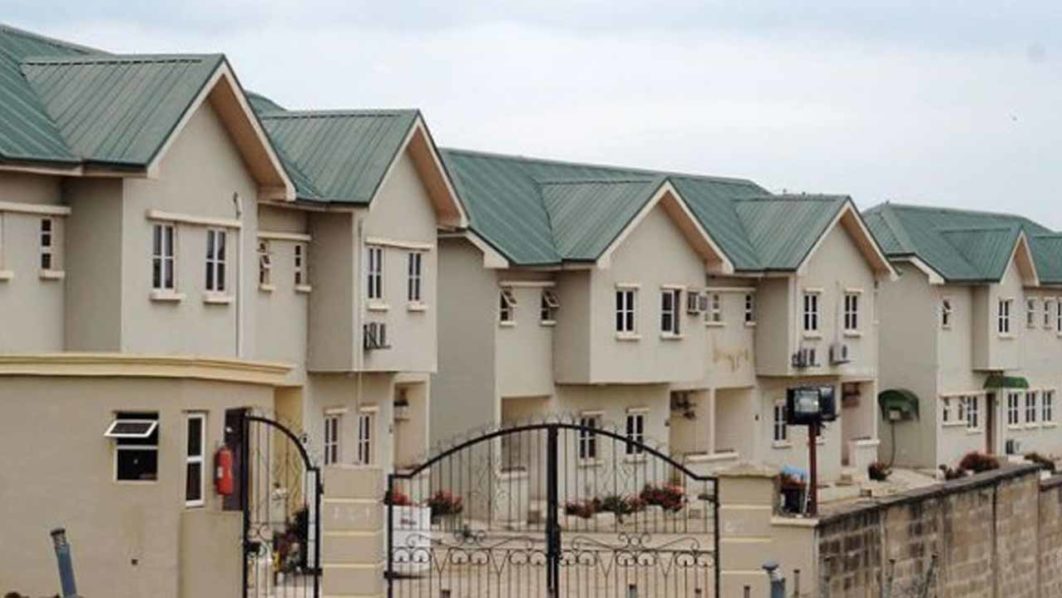
Tenants face steep rent hikes as demand surges and affordable housing shrinks
By A1 News International
Abuja, Nigeria — March 28, 2026
Rising rent costs in Abuja are pushing residents to the financial edge, as housing demand continues to outstrip supply across the capital. Middle-income earners and young professionals are among the hardest hit, with many struggling to secure affordable accommodation.
Across major districts in Abuja, tenants report significant increases in rent, with landlords citing inflation, higher maintenance costs and rising property-related expenses as justification. For many residents, the new rates are increasingly unaffordable.
Some households have been forced to relocate to distant suburbs, downsize to smaller units or take on additional financial burdens to meet housing costs. The pressure is also contributing to overcrowding, as families share limited spaces to reduce expenses.
Real estate agents confirm that demand for rental properties has surged, driven by population growth, urban migration and limited expansion in housing supply. Developers, however, point to rising construction costs, land acquisition challenges and regulatory delays as major constraints to delivering affordable housing.
Middle Class Under Pressure
The rent surge is significantly affecting middle-income earners, including civil servants, teachers and young professionals. A growing share of household income is now spent on accommodation, reducing funds available for healthcare, education and savings.
Economic observers note that the trend is increasing reliance on informal credit systems and multiple income streams among urban residents.
Policy Gaps and Calls for Intervention
Housing experts and civil society groups say the crisis reflects deeper structural issues, including weak rental regulation, limited social housing and insufficient incentives for developers.
Stakeholders are calling for urgent government intervention through rent control mechanisms, tenant protection policies and expansion of affordable housing schemes. Proposals also include rent-to-own initiatives and public-private partnerships to accelerate housing delivery.
The worsening housing situation is evolving into a broader urban crisis, with implications for inequality, infrastructure pressure and social stability. Rising rents risk pushing more residents to poorly serviced outskirts, increasing commuting costs and straining city systems.
Abuja’s housing crisis reflects a wider national challenge tied to rapid urbanisation and policy gaps in housing development. Without coordinated reforms, the affordability gap could widen, undermining economic productivity and living standards in the capital.












Leave a Reply