
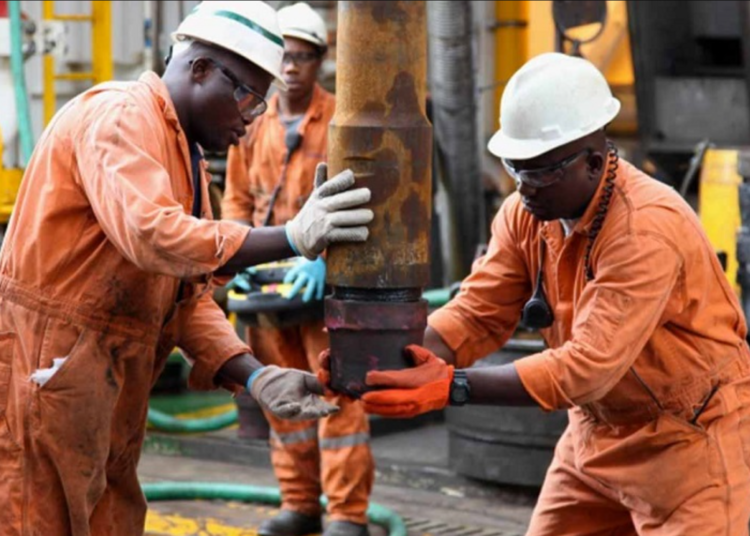
Production shortfalls, debt obligations and policy gaps limit Nigeria’s gains from global oil surge
By A1 News International | Abuja, Nigeria
As global oil prices climb above $100 per barrel amid tensions linked to the Iran conflict, oil-producing nations are capitalising on increased revenues. However, Nigeria—Africa’s largest crude producer—has struggled to translate the price surge into meaningful economic gains.
Despite favourable market conditions, structural inefficiencies and reduced output continue to undermine the country’s ability to benefit from the oil boom.
Revenue Gains Undermined by Production Gaps
On paper, Nigeria stands to gain significantly from rising crude prices. With Brent crude trading between $102 and $114 per barrel—well above the 2026 budget benchmark of $64.85—the country could potentially realise substantial windfall revenues.
However, actual output remains below target. Current production stands at approximately 1.46 million barrels per day, falling short of the 1.84 million barrels projected in the national budget.
In addition, a portion of Nigeria’s crude output is tied to forward sales and debt obligations, limiting immediate revenue inflows.
Analysts note that similar trends were observed during the Russia-Ukraine conflict, when oil prices exceeded $110 per barrel for months, yet Nigeria recorded limited fiscal benefit due to low production and subsidy-related constraints.
Constraints Limit Economic Impact
Beyond production shortfalls, industry experts highlight longstanding structural challenges, including pipeline vandalism, oil theft, and underinvestment in upstream operations.
While the Nigerian National Petroleum Company (NNPC) has indicated plans to increase output, projected increments remain insufficient to close the existing gap.
As a result, the expected financial gains from the current oil price rally remain largely theoretical.
Global Responses Highlight Policy Gaps
Other countries have taken targeted measures to manage the impact of rising energy costs. Nations such as Germany and South Korea have introduced price controls and energy policy adjustments, while countries like Indonesia and Vietnam have deployed subsidy frameworks and stabilisation mechanisms.
In contrast, Nigeria’s policy space remains constrained following the removal of fuel subsidies, limiting its ability to cushion domestic consumers against rising fuel costs.
Experts warn that reintroducing price caps or subsidies could create fiscal pressure and distort supply chains.
Policy Options and Reform Imperatives
Stakeholders argue that Nigeria must prioritise structural reforms rather than short-term interventions. Suggested measures include:
- Increasing crude supply to domestic refineries to reduce foreign exchange demand
- Strengthening oil asset security to curb theft and boost output
- Expanding compressed natural gas (CNG) adoption to reduce petrol reliance
- Implementing flexible fuel tax regimes to absorb global price shocks
- Investing in strategic reserves and refining capacity
There are also calls to channel any incremental revenue into stabilisation funds such as the Sovereign Wealth Fund and the Excess Crude Account.
Nigeria’s inability to fully benefit from high oil prices underscores deeper structural weaknesses in its petroleum sector. Without addressing production inefficiencies and revenue management challenges, the country risks missing repeated opportunities to strengthen its fiscal position during global oil upcycles.









Leave a Reply