
Global uncertainty and energy market shocks weigh on Nigeria’s economic outlook.
By Baron Eloagu | Abuja, Nigeria
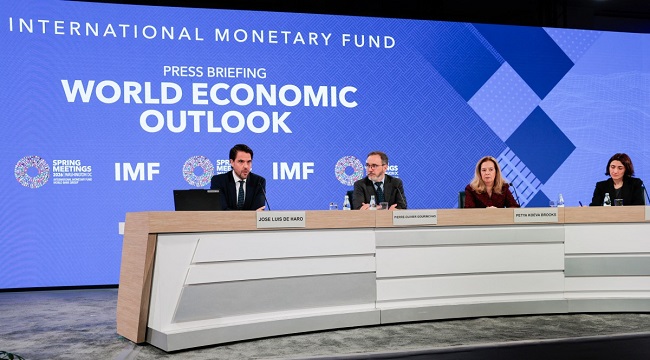
The International Monetary Fund (IMF) has downgraded Nigeria’s economic growth projection for 2026 to 4.1 percent, citing escalating tensions in the Middle East and their ripple effects on global energy markets.
The revision signals renewed external pressures on Africa’s largest economy, particularly as volatility in oil prices and supply chains intensifies.
The IMF’s Chief Economist, Pierre-Olivier Gourinchas, disclosed that the downgrade reflects mounting global uncertainties, especially for economies heavily exposed to energy price shocks.
According to the Fund, the ongoing geopolitical tensions in the Middle East are disrupting energy supply dynamics, creating instability in oil-dependent and energy-importing economies alike.
Nigeria, while a major crude oil producer, remains vulnerable due to its reliance on imported refined petroleum products and structural inefficiencies in the energy sector.
The IMF noted that higher global energy prices could worsen inflationary pressures, strain foreign exchange reserves, and complicate fiscal planning for the Nigerian government.
The Fund also warned that weaker global demand and tightening financial conditions could further limit growth prospects, despite ongoing domestic reforms aimed at stabilizing the economy.
Global Tensions Driving Economic Uncertainty
The IMF emphasized that the Middle East conflict has introduced fresh volatility into global markets, particularly affecting oil supply routes and pricing stability. This uncertainty is expected to persist in the near term, with potential spillover effects on emerging economies like Nigeria.
Nigeria’s Structural Vulnerabilities Exposed
Despite benefiting from crude oil exports, Nigeria’s continued dependence on fuel imports exposes it to global price shocks. Analysts say this structural imbalance weakens the country’s ability to fully capitalize on rising oil prices.
The downgrade underscores Nigeria’s fragile economic recovery and highlights the risks posed by external shocks. For policymakers, it reinforces the urgency of energy sector reforms, diversification, and fiscal discipline to cushion against global disruptions.











Leave a Reply