
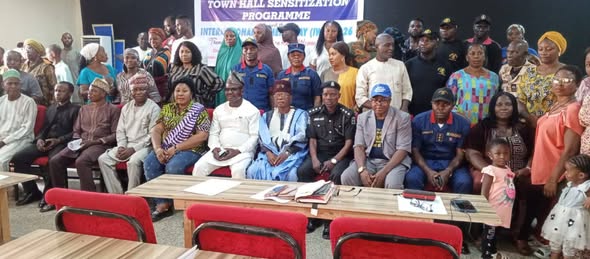
Town hall forum engages traditional leaders, youth, and civil society to advance justice and equality for women and girls
By A1 News International
Abuja, Nigeria — March 11, 2026
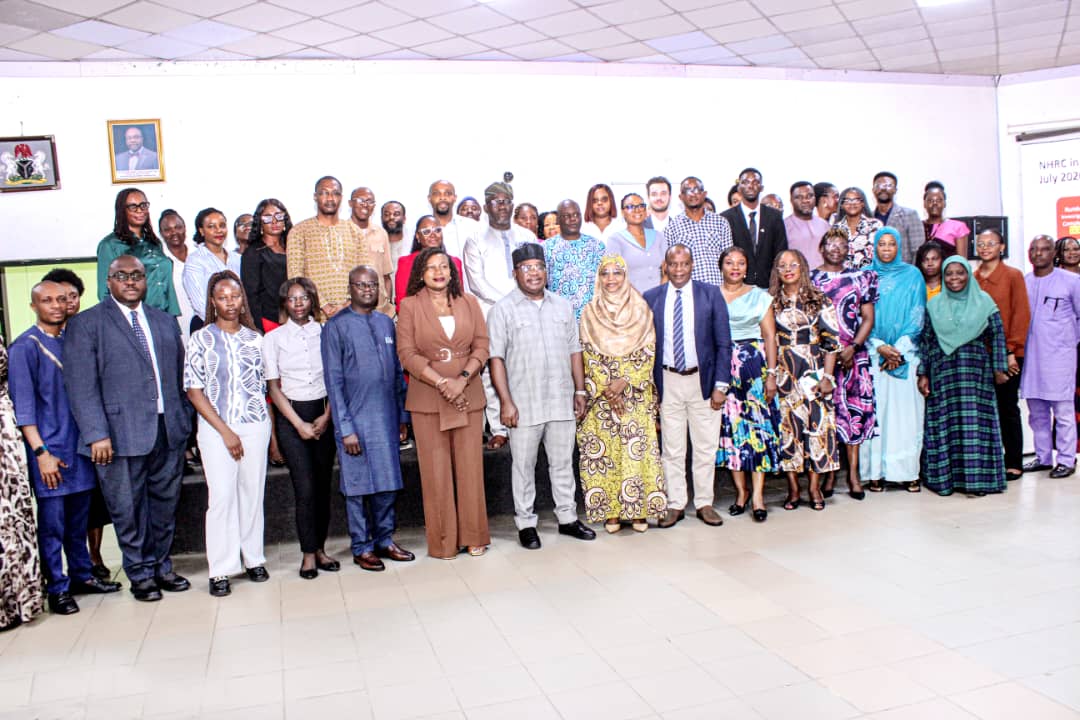
The National Human Rights Commission (NHRC) took its women’s rights campaign to Bwari Area Council, FCT, with a town hall sensitization programme marking International Women’s Day 2026. The engagement brought together traditional leaders, youth representatives, women’s groups, and civil society actors to promote justice, equality, and protection for women and girls at the grassroots level.
What Happened
The NHRC hosted a town hall meeting in Bwari to address structural barriers facing women and girls, using the 2026 International Women’s Day theme, “Rights, Justice, Action for All Women and Girls,” as a rallying point. Officials emphasised the need to translate policy commitments into tangible local action.
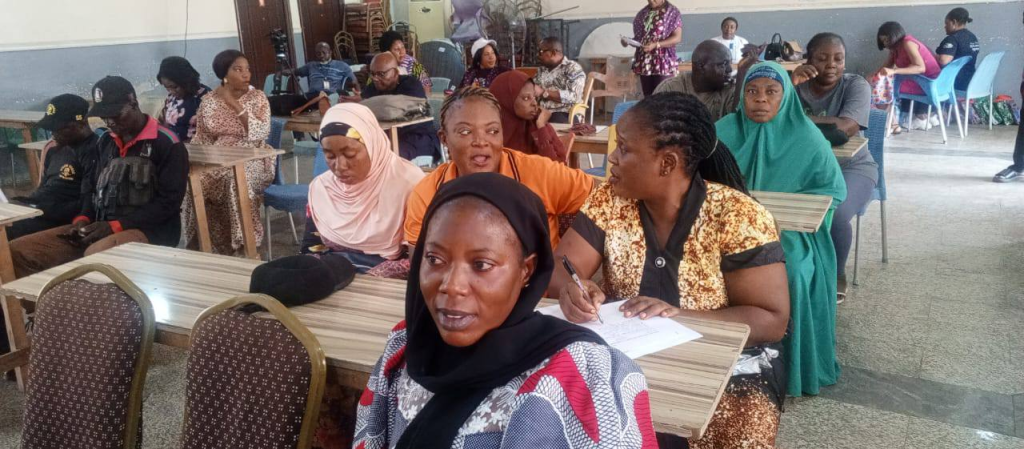
The forum encouraged open dialogue, allowing community stakeholders to highlight challenges such as gender-based violence, discrimination, economic exclusion, and limited access to justice.
Official Response
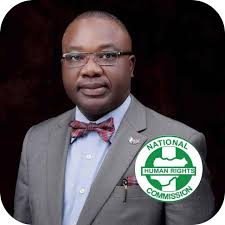
Executive Secretary of NHRC, Tony Ojukwu, represented by Mrs. Ngozi Okore, Director of the Women and Children Department, called for sustained interventions from governments, institutions, communities, and individuals.
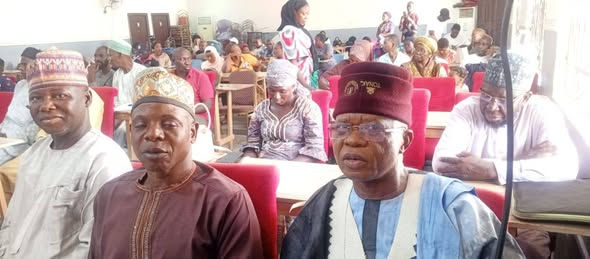
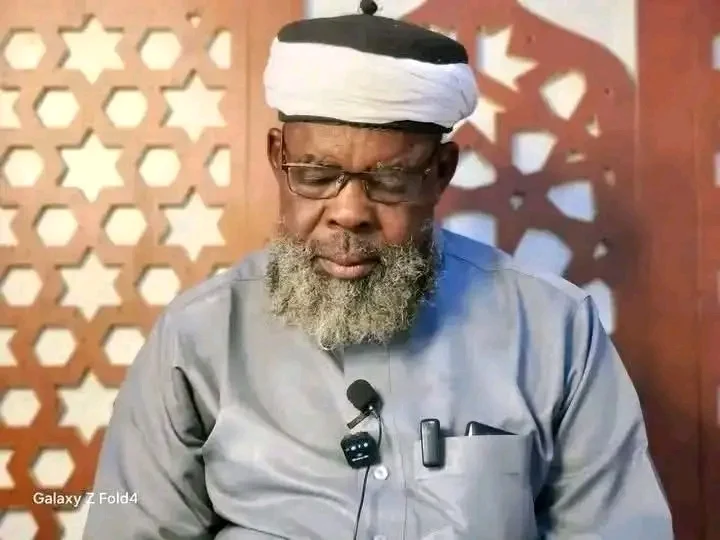
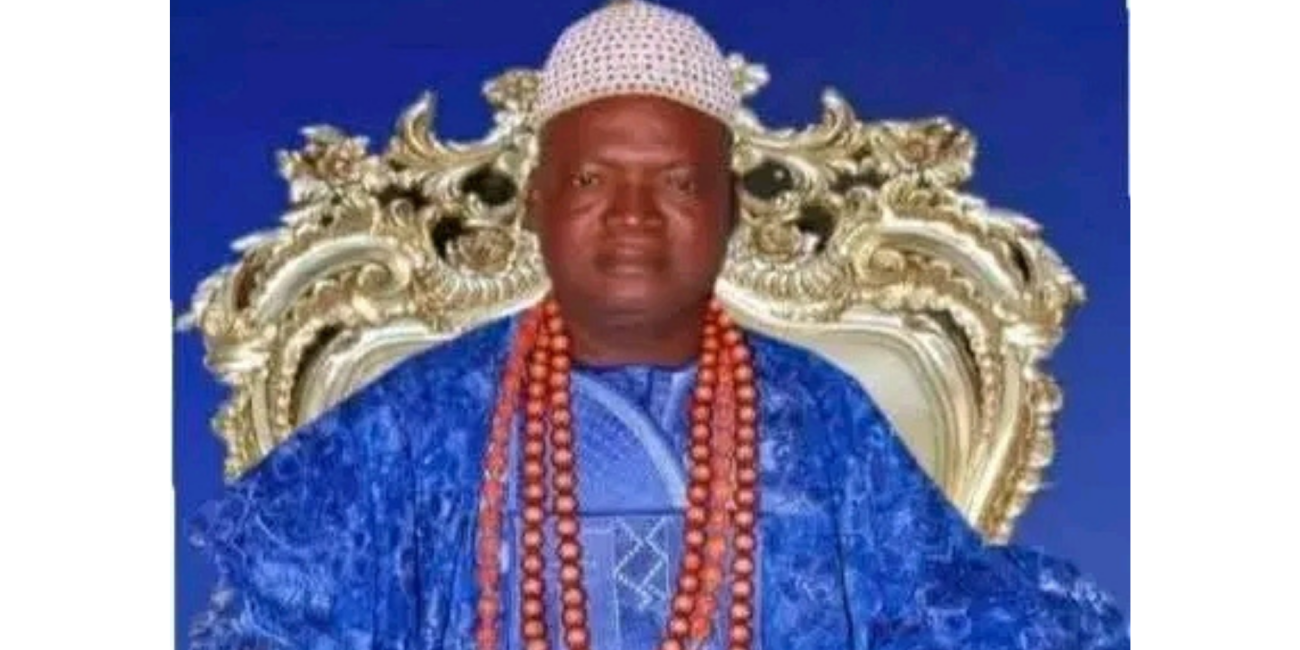
Traditional authorities, including the Esu of Bwari represented by Zakwoi Ibrahim, commended the initiative, stressing that community awareness empowers residents to confront injustice and protect vulnerable members of society.
Youth leaders and women’s organisations pledged to intensify advocacy efforts within their localities. Comrade Dr. Awoyi Bwari, Youth President of Bwari Area Council, said the engagement would strengthen respect for human rights among men and women alike.
Background
The NHRC’s town hall approach reflects a strategic shift toward localising human rights advocacy. By moving beyond policy discussions in Abuja, the Commission seeks to embed awareness and accountability in the daily lives of Nigerian communities.
Why It Matters
The Bwari engagement highlights the growing role of grassroots mobilisation in promoting women’s rights. For Nigeria, fostering community participation is essential to reducing gender-based violence and ensuring that national human rights frameworks produce practical outcomes for citizens.
Localised advocacy ensures that human rights messages reach beyond government offices to where they matter most: households and communities. By empowering traditional leaders, youth, and women’s groups, NHRC strengthens societal mechanisms that can enforce equality, protect vulnerable groups, and hold local institutions accountable.



Leave a Reply