
Authorities activate emergency response as containment efforts intensify
By Eniola Thomas | Ibadan, Nigeria
Health authorities in Oyo State have confirmed five cases of Lassa fever, with one fatality recorded, prompting an immediate public health response. The state government says comprehensive containment measures have been activated to prevent further spread and safeguard residents.
The Oyo State Government, through its Ministry of Health, disclosed that confirmed cases are currently being managed at designated treatment facilities, including the State Infectious Disease Centre (IDC), Olodo, and the University College Hospital Ibadan isolation unit. These centres are equipped with specialized clinical teams and biosecurity protocols to handle infectious disease outbreaks.
Commissioner for Health, Oluwaserimi Ajetunmobi, stated during a press briefing that the state swiftly activated its emergency response architecture immediately after confirmation of the cases. She noted that the response aligns with national guidelines from the Nigeria Centre for Disease Control and Prevention and international standards set by the World Health Organization.
According to her, a coordinated multi-sectoral strategy is already in operation, involving the health, environment, agriculture, and information sectors. Central to this effort is the activation of the Incident Management System (IMS) and the Emergency Operations Centre (EOC), both of which are critical to coordinating outbreak response and resource deployment.
Authorities have also developed and begun implementing a comprehensive Incident Action Plan, alongside intensified surveillance measures. This includes active case searches and the monitoring of more than 200 identified contacts, aimed at breaking chains of transmission and ensuring early detection of new infections.
To enhance real-time tracking and data-driven decision-making, the state has deployed the Surveillance Outbreak Response Management and Analysis System (SORMAS). In addition, essential medical supplies, including the antiviral drug Ribavirin, have been prepositioned across treatment centres.
The government has further strengthened Infection Prevention and Control (IPC) protocols, ensuring adequate provision and use of personal protective equipment (PPE) for healthcare workers. Safe and dignified burial procedures are also being enforced in collaboration with environmental health authorities to prevent post-mortem transmission risks.
Environmental response efforts—including sanitation campaigns, fumigation, and decontamination of affected areas—are ongoing. At the same time, healthcare personnel are undergoing continuous training to enhance outbreak preparedness and response capacity.
Governor Seyi Makinde was commended by health officials for his prompt approval of emergency funds, which enabled rapid mobilization of resources and operational efficiency in addressing the outbreak.
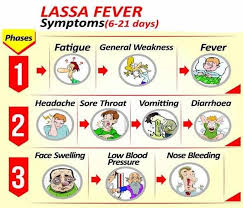
Residents have been advised to maintain high hygiene standards, avoid contact with rodents—known carriers of the virus—and promptly report symptoms such as fever, weakness, and unexplained bleeding to the nearest health facility. Authorities reiterated that early detection significantly improves treatment outcomes.
Rapid Response Deployed
Emergency health teams have intensified contact tracing, surveillance, and case management across affected areas. The integration of digital tools like SORMAS is enhancing coordination and enabling real-time monitoring of the outbreak.
Public Awareness Intensified
Public health campaigns are being scaled up through mass media, community engagement, and information dissemination. Officials say sustained awareness is critical to preventing panic and ensuring compliance with preventive measures.








Leave a Reply