
Presidency sources reveal how an alleged forged appointment letter, bureaucratic lapses and legislative oversight failures reportedly gave legitimacy to a controversial agency as civil society groups demand accountability and Senate prepares to confront the controversy.
By Umar Baba
ABUJA, Nigeria — July 6, 2026
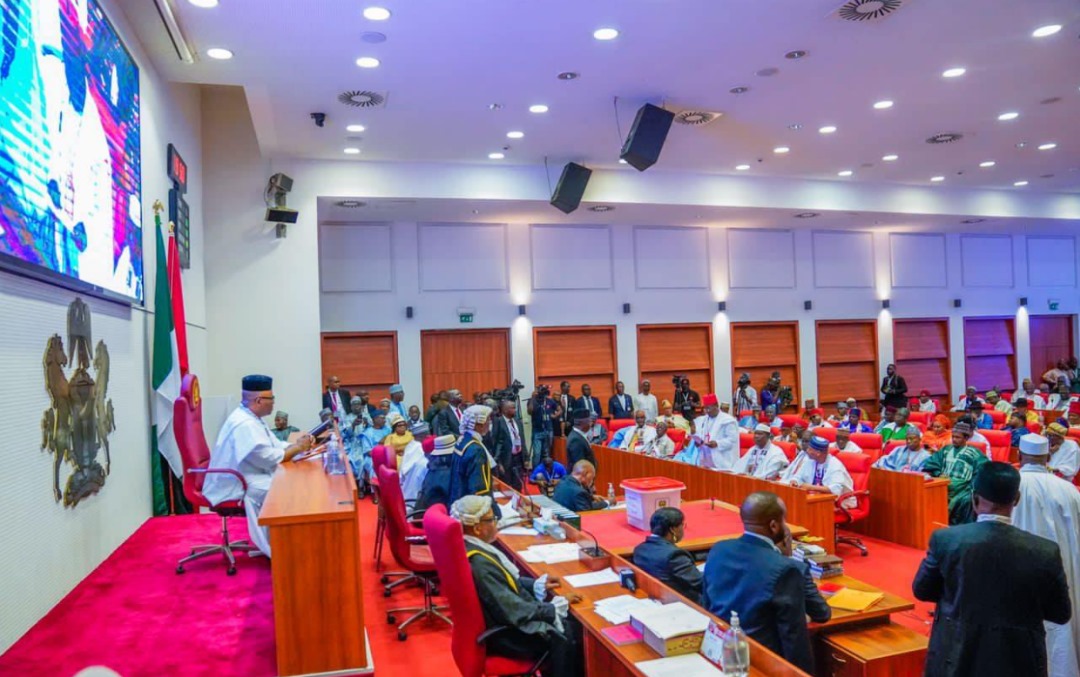
Nigeria’s Senate is expected to confront one of the most embarrassing public finance controversies in recent years when lawmakers resume plenary on Tuesday amid mounting questions over the controversial ₦1.302 billion allocation to the purported Presidential Foreign Intervention Promotion Council (PFIPC) in the 2026 Appropriation Act.
The controversy has expanded beyond a budgetary dispute into what observers describe as a broader test of Nigeria’s institutional safeguards after allegations emerged that a forged appointment letter allegedly enabled an individual to operate from the Federal Secretariat as head of a government agency the Presidency insists does not legally exist.
Investigations by multiple media organisations, including reports relied upon by A1NEWS International, indicate that the matter now involves alleged document forgery, institutional failures, budgetary oversight gaps, possible impersonation and questions over accountability within several government institutions.
As pressure mounts, civil society organisations, opposition parties and legal experts are demanding a comprehensive investigation into how public funds were reportedly appropriated for an agency whose legal status remains in dispute.
How the Alleged Scheme Emerged
According to multiple Presidency and civil service sources familiar with the matter, the controversy allegedly originated from a forged appointment letter bearing what authorities say was a falsified signature of the President’s Chief of Staff, Femi Gbajabiamila.
The document allegedly secured official recognition for Prince Adeniyi Adeyemi Mathew, enabling him to obtain office accommodation within the Federal Secretariat Complex in Abuja.
Investigators believe the office location, official correspondence, website and letterheads subsequently created an appearance of legitimacy that allegedly convinced numerous government institutions and private organisations that the council was genuine.
Sources contend that this perceived legitimacy later facilitated the controversial budget allocation.
Questions Over the ₦1.3 Billion Budget Allocation
Central to the controversy is how the agency allegedly secured ₦1,302,978,784 in the 2026 Appropriation Act.
Legislative sources familiar with the appropriation process reportedly disclosed that no official from the controversial council appeared before the Senate Committee on Establishment and Public Service to defend the proposed allocation.
Instead, the budget line was allegedly included collectively with other executive submissions without undergoing the usual scrutiny expected during appropriation.
If confirmed, the development could expose weaknesses in Nigeria’s budget vetting process and raise questions about internal safeguards designed to prevent unauthorized appropriations.
Alleged Breakdown of Institutional Safeguards
Presidency insiders described the controversy as the product of multiple institutional failures rather than a single administrative error.
According to the sources, weaknesses allegedly occurred across:
- The Civil Service Headquarters;
- The Budget Office;
- Relevant National Assembly committees;
- Internal verification mechanisms.
Officials argued that adequate due diligence would likely have detected that the alleged appointment letter did not conform to established constitutional procedures governing presidential appointments.
Under Nigeria’s constitutional framework, appointments into agencies under the Presidency are approved by the President and formally communicated through the Office of the Secretary to the Government of the Federation (SGF), not directly by the Chief of Staff.
Officials insist the Chief of Staff has no constitutional authority to issue appointment letters creating heads of federal agencies.
How an Office Created Institutional Legitimacy
Senior civil servants familiar with the investigation explained that once office accommodation was allocated inside the Federal Secretariat, the controversial organisation acquired an appearance of official recognition.
According to officials, this physical presence enabled the organisation to interact with government agencies, diplomatic missions and members of the public without attracting immediate suspicion.
Investigators believe this institutional legitimacy became a critical factor in sustaining the alleged operation before questions eventually emerged regarding its legal status.
Authorities say the office has since been sealed and reassigned following Adeyemi’s arrest.
How the Alleged Fraud Was Discovered
Sources disclosed that the controversy reportedly came to light after officials of the Nigerian Investment Promotion Commission (NIPC) noticed that the purported council was performing functions overlapping with the commission’s statutory responsibilities.
The issue was reportedly escalated to the Office of the Chief of Staff, who allegedly denied any knowledge of Adeyemi or the appointment letter.
Security agencies subsequently commenced investigations that resulted in Adeyemi’s arrest and prosecution.
Officials, however, acknowledged that investigations appeared to lose momentum after the suspect was granted bail.
Authorities further allege that Adeyemi later violated his bail conditions.
Civil Society Intensifies Pressure
The scandal has triggered widespread calls for transparency.
The Socio-Economic Rights and Accountability Project (SERAP) has demanded certified copies of all documents relating to the approval of the ₦1.3 billion allocation.
The organisation also requested:
- Records of committee proceedings;
- Names of officials who defended the budget;
- Clarification on whether the allocation originated from the Executive or was inserted during legislative consideration.
SERAP warned it could commence legal action should the requested information not be released within the stipulated period.
Similarly, the Human and Environmental Development Agenda (HEDA) called for an independent public inquiry into the circumstances surrounding the controversial appropriation.
Opposition Parties Demand Accountability
Opposition political figures have seized upon the controversy to intensify criticism of the Federal Government.
Former Vice President Atiku Abubakar described the development as symptomatic of broader governance failures, urging the Presidency to publicly disclose how the agency emerged and how it secured budgetary allocation.
A faction of the Peoples Democratic Party (PDP) argued that if government claims that the agency never legally existed prove correct, then serious institutional weaknesses enabled public institutions to be misled.
The Kwankwasiyya Movement also questioned how budgetary approvals, office allocations and official documentation allegedly proceeded without comprehensive verification.
Lawyers Urge Evidence-Based Investigation
Senior legal practitioners have cautioned against drawing premature conclusions.
Senior Advocate of Nigeria (SAN) Bankole Akomolafe argued that criminal liability cannot be established through public speculation alone, stressing that investigators must produce credible documentary and financial evidence before implicating additional public officials.
Another senior lawyer, Sampson Erugo, however, maintained that investigations should extend beyond one defendant if evidence suggests broader institutional involvement.
According to him, the existence of office accommodation, banking arrangements and budgetary approvals indicates that investigators should examine the roles of all officials connected with the process.
Senate Under Intense Public Scrutiny
Tuesday’s Senate sitting is expected to be closely watched by Nigerians eager to determine whether lawmakers will initiate a formal investigation into the controversy.
Analysts say the controversy raises broader concerns about:
- Integrity of Nigeria’s budget process;
- Verification procedures within public institutions;
- Oversight responsibilities of legislative committees;
- Accountability mechanisms within the civil service.
Whether the Senate launches a comprehensive probe could significantly influence public confidence in Nigeria’s fiscal governance framework.
Court Proceedings Continue
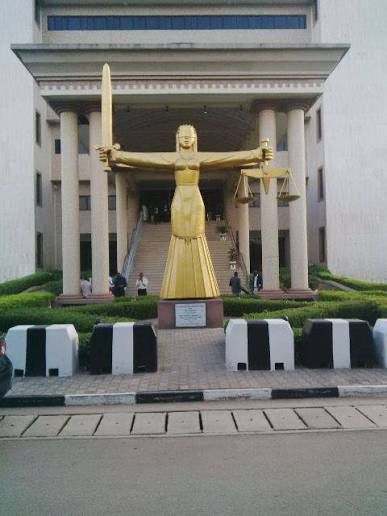
Prince Adeniyi Adeyemi Mathew is scheduled to appear before the Federal High Court in Abuja on July 27, 2026, alongside two other suspects identified in court documents as Femi and Anu, who remain at large.
The outcome of the criminal proceedings is expected to provide further clarity regarding the allegations surrounding the controversial council and its budget allocation.
The ₦1.3 billion PFIPC controversy has evolved from an isolated allegation into a national debate over institutional integrity, legislative oversight and public accountability.
While government officials insist the agency was never legally established, questions remain over how it allegedly acquired office accommodation, official recognition and budgetary allocation without earlier detection.
As the Senate reconvenes, Nigerians will be watching whether lawmakers provide answers capable of restoring confidence in the country’s public finance system—or whether the controversy deepens into one of the most consequential governance scandals of recent years.


Leave a Reply