
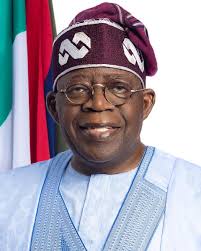
President’s diplomatic rebuff, Kaduna massacre, anti-drug convictions, military welfare reforms and parliamentary investigations underscore mounting pressure on Nigeria’s leadership.
By Amarachi Odenigbo and Adamu Muhamed
ABUJA, Nigeria — July 28, 2026
Introduction
Nigeria’s political and security landscape witnessed a series of significant developments on Monday, highlighting the complex challenges confronting President Bola Ahmed Tinubu’s administration both at home and abroad.
From an unexpected diplomatic snub involving South African President Cyril Ramaphosa’s special envoy to renewed outrage over the massacre of civilians in Kaduna State, fresh efforts to improve military welfare, intensified anti-drug enforcement and a deepening parliamentary investigation into the controversial Presidential Foreign Investment Promotion Council (PFIPC), the day’s events painted a picture of a nation simultaneously navigating diplomatic, security, judicial and governance pressures.
The developments come at a time when the Federal Government is seeking to strengthen investor confidence, restore public trust in institutions, improve national security and reinforce Nigeria’s leadership role within Africa.
Tinubu Declines Ramaphosa’s Special Envoy Amid Renewed Xenophobia Concerns
Diplomatic Silence Raises Questions
President Bola Ahmed Tinubu on Monday declined to receive a special envoy dispatched by South African President Cyril Ramaphosa, a move that has generated widespread diplomatic speculation amid renewed allegations of xenophobic attacks against Nigerians and other African nationals living in South Africa.
Although neither the Nigerian Presidency nor the South African government immediately disclosed the official reason behind the failed diplomatic engagement, foreign policy analysts believe the decision reflects growing frustration within Abuja over Pretoria’s inability to permanently halt recurring attacks on foreign nationals.
The incident has once again placed Nigeria-South Africa relations under intense scrutiny, particularly given both countries’ strategic influence on the African continent.
For many observers, the decision represents more than a diplomatic scheduling issue—it is viewed as a symbolic expression of Nigeria’s dissatisfaction with repeated assurances that have failed to prevent fresh attacks.
A Relationship Frequently Tested
Nigeria and South Africa share one of Africa’s most important bilateral relationships, built on trade, diplomacy, regional security and continental integration.
However, that relationship has repeatedly been strained by outbreaks of xenophobic violence targeting African migrants, particularly Nigerians.
Previous waves of attacks resulted in:
- Emergency evacuation of Nigerian citizens.
- Diplomatic protests between both governments.
- Closure of South African-owned businesses in parts of Nigeria.
- High-level bilateral meetings aimed at preventing future violence.
Despite these interventions, critics argue that little progress has been made in guaranteeing the safety of foreign nationals living in South Africa.
Human rights organizations have consistently called on Pretoria to strengthen law enforcement and prosecute perpetrators of xenophobic crimes.
Diplomatic Questions That Remain Unanswered
The latest development raises several important foreign policy questions.
Political observers are asking whether Nigeria is adopting a firmer diplomatic posture toward South Africa or whether the decision was intended to compel Pretoria to demonstrate greater commitment to protecting African migrants.
Others question what specific assurances President Ramaphosa intended to communicate through his envoy and whether previous bilateral commitments have been adequately implemented.
Analysts say the Presidency’s refusal to receive the envoy could be interpreted as a calculated diplomatic message rather than a breakdown in bilateral relations.
Economic Stakes Beyond Diplomacy
The diplomatic tension comes against the backdrop of extensive commercial ties between both countries.
South African companies maintain significant investments across Nigeria’s banking, telecommunications, retail, hospitality and manufacturing sectors, while Nigerian businesses continue expanding their presence in Southern Africa.
Economists warn that prolonged diplomatic uncertainty could undermine investor confidence and complicate regional economic cooperation under the African Continental Free Trade Area (AfCFTA), an initiative both nations have publicly championed.
Court Hands Drug Kingpin, Former International Footballer 24-Year Jail Term
Major Victory Against International Drug Syndicates
In another major development, the Federal High Court sitting in Lagos sentenced fugitive drug trafficking suspect Ntoruka Emmanuel Chinedu and former international footballer Segun George Hunkarin to a combined 24 years imprisonment for importing 7.050 kilograms of cocaine into Nigeria.
The judgment represents another milestone in Nigeria’s ongoing campaign against transnational organized crime as law enforcement agencies intensify efforts to dismantle international narcotics networks operating across West Africa.
Investigators established that the cocaine shipment formed part of a cross-border trafficking operation and that one of the convicts had previously evaded arrest before being apprehended.
Growing Threat of Organized Drug Networks
Security analysts say the conviction illustrates the increasingly sophisticated nature of international drug trafficking syndicates, which often recruit individuals from diverse professional backgrounds to facilitate illicit operations.
Nigeria’s geographic position continues to make it a strategic transit point for cocaine destined for European and Asian markets.
Recent seizures involving cocaine, methamphetamine and synthetic opioids have heightened concerns among anti-narcotics agencies about the expanding influence of organized criminal networks.
Authorities have indicated that additional investigations and prosecutions linked to similar trafficking operations remain ongoing.
Kaduna Community Mourns 30 Victims as Rural Insecurity Deepens
Women and Children Among Those Killed
Fresh outrage has erupted across Kaduna State following the killing of at least 30 residents, including women and children, after heavily armed gunmen attacked Naridon (Kizakoro) Community in Kamaru Ward of Kauru Local Government Area.
The attack has renewed concerns over the worsening security situation across Nigeria’s rural communities, where repeated assaults by armed groups continue to claim civilian lives and displace farming populations.
Residents described scenes of devastation as homes were attacked and families forced to flee for safety.
Communities Demand Stronger Security Response
Survivors accused security agencies of arriving long after the attackers had fled despite distress calls allegedly made during the assault.
Community leaders have called on both the Federal and Kaduna State governments to implement urgent security measures, including:
- Permanent deployment of military personnel.
- Strengthened intelligence gathering.
- Rapid emergency response capabilities.
- Humanitarian assistance for displaced residents.
- Compensation for bereaved families.
A Humanitarian and Economic Crisis
Security experts warn that persistent attacks on farming communities threaten not only public safety but also agricultural production and food security.
The continued displacement of rural populations has disrupted livelihoods, reduced farming activities and increased humanitarian pressures across several northern states.
Analysts argue that without improved intelligence-led operations and stronger collaboration between security agencies and local communities, attacks on vulnerable settlements may continue.
Federal Government Moves to Improve Military Welfare
Fresh Salary Increase Expected
As Nigerian troops continue operations against terrorism, banditry, kidnapping, oil theft and other security threats, the Federal Government has concluded plans to announce a new salary increase for members of the Armed Forces.
Sources familiar with the proposal indicate that President Tinubu is expected to unveil the new remuneration package in the coming days.
The initiative forms part of broader efforts aimed at improving troop morale and strengthening national security.
Experts Call for Comprehensive Defence Reform
While welcoming improved welfare, defence analysts caution that salary adjustments alone cannot resolve operational challenges confronting the military.
They argue that meaningful reforms must also include:
- Modern combat equipment.
- Improved military housing.
- Expanded healthcare services.
- Comprehensive insurance coverage.
- Advanced intelligence technology.
- Continuous professional training.
Military experts believe sustained investment across these areas will significantly enhance operational effectiveness and personnel retention.
PFIPC Probe Deepens as House of Representatives Tightens Oversight
IGP Ordered to Produce Agency Director-General
Legislative scrutiny intensified on Monday as the House of Representatives Ad-hoc Committee investigating the activities of the Presidential Foreign Investment Promotion Council (PFIPC) directed Inspector-General of Police Tunji Disu to ensure the appearance of the agency’s Director-General, Adeniyi Adeyemi, before the committee.
Lawmakers insist Adeyemi’s testimony is essential to clarify questions surrounding the council’s legal status, operational framework and financial activities.
Committee members warned that failure to comply with the directive could attract further legislative measures.
Calls for Greater Transparency
The investigation has reignited broader debates surrounding transparency, accountability and oversight of government agencies established to attract foreign investment.
Governance experts argue that effective legislative oversight is essential to strengthening investor confidence and ensuring public institutions operate within established legal frameworks.
The outcome of the investigation may influence future reforms affecting special intervention agencies and investment promotion bodies.
Analysis: Multiple Fronts Demand Government Attention
Monday’s developments illustrate the breadth of governance challenges confronting Nigeria.
Diplomatically, the Presidency’s refusal to receive South Africa’s special envoy suggests growing impatience over unresolved xenophobia concerns.
Domestically, persistent insecurity continues to expose weaknesses in rural protection despite ongoing military operations.
The conviction of convicted drug traffickers underscores progress in combating organized crime, while proposed military salary adjustments acknowledge longstanding concerns over troop welfare.
Meanwhile, the PFIPC investigation demonstrates an increasingly assertive National Assembly seeking greater transparency from public institutions.
Collectively, these developments reinforce the need for coordinated reforms that combine effective diplomacy, strengthened security architecture, institutional accountability and sustained economic confidence.
As President Tinubu’s administration enters another critical phase of governance, the convergence of diplomatic tensions, security threats, judicial enforcement and legislative oversight presents both significant challenges and opportunities.
Whether through improved foreign relations, enhanced protection for vulnerable communities, stronger anti-crime measures, better welfare for security personnel or increased transparency in public institutions, stakeholders agree that sustainable progress will depend on consistent implementation of reforms rather than policy announcements alone.
For millions of Nigerians, the expectation remains clear: stronger institutions, safer communities, accountable governance and a foreign policy that protects both national interests and Nigerian citizens wherever they reside.




Leave a Reply