
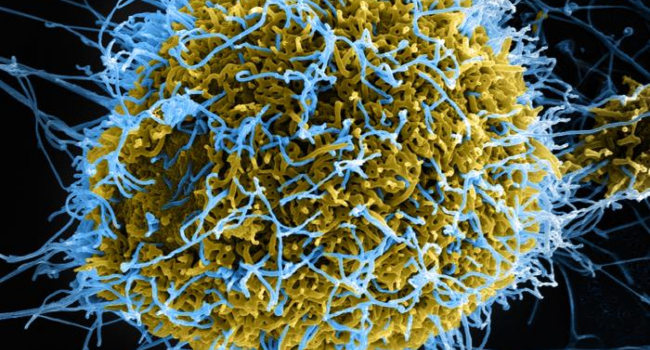
Cross-border infections heighten fears of wider regional spread as health authorities intensify surveillance and containment efforts
By A1NEWS International Health Desk / May 24, 2026
KAMPALA, UGANDA – Health authorities in Uganda have confirmed three additional cases of Ebola Virus Disease (EVD), raising the country’s total confirmed infections to five since the latest outbreak was detected on May 15.
The development comes barely 24 hours after the World Health Organization raised the Ebola risk level in neighbouring Democratic Republic of the Congo to “very high,” citing escalating infections, cross-border transmission concerns, and worsening insecurity in affected regions.
Ugandan authorities disclosed that the latest cases involve a Ugandan driver, a healthcare worker, and a Congolese woman linked directly or indirectly to the outbreak originating in eastern DR Congo.
Cross-Border Transmission Raises Alarm
According to Uganda’s Ministry of Health, the infected driver had transported one of the Congolese nationals previously identified among the country’s first Ebola-related cases.
Health officials also confirmed that the infected Ugandan health worker contracted the virus while treating one of the Congolese patients who crossed into Uganda from the DRC.
The third case involved a Congolese woman who had earlier received treatment in Kampala for abdominal complications before returning to the DRC, where she later tested positive for Ebola.
Authorities said all three patients are currently alive and receiving medical attention.
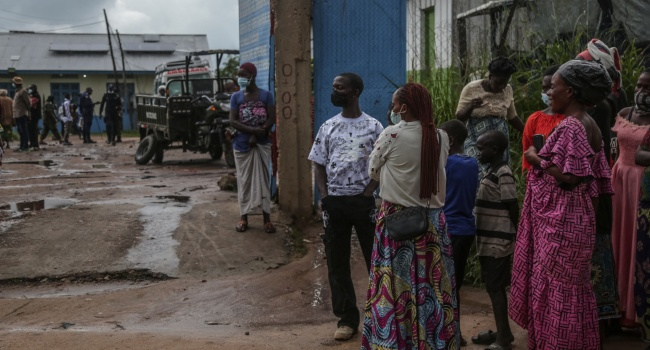
“All contacts linked to the confirmed cases have since been identified and are being closely monitored,” the Ugandan health ministry stated.
Uganda Tightens Border Controls
In response to the outbreak, Uganda recently suspended public transportation routes connecting the country to the Democratic Republic of Congo following confirmation of the initial Ebola-linked death and infection involving Congolese nationals.
The move reflects growing concern among East African governments over the possibility of rapid regional transmission through porous borders and high population mobility.
Health experts warn that Uganda’s close commercial and social interactions with eastern Congo make it particularly vulnerable to cross-border outbreaks.
WHO Raises Regional Threat Level
The WHO on Friday upgraded the Ebola threat level in DR Congo to “very high,” while classifying the broader Central African regional threat as “high.”
However, the organisation maintained that the overall global risk currently remains “low.”
WHO Director-General Tedros Adhanom Ghebreyesus described the outbreak situation in eastern Congo as “especially challenging,” citing insecurity, poor infrastructure, and difficulties tracking infected persons in conflict zones.
Health workers, he noted, are struggling to trace contacts and contain the spread of the virus in remote and violence-prone territories.
Bundibugyo Strain Complicates Response
The ongoing outbreak is reportedly linked to the rare Bundibugyo strain of the Ebola virus, a variant for which no fully approved vaccines or targeted treatments currently exist.
Medical experts say the absence of licensed vaccines significantly complicates containment efforts compared to previous Ebola outbreaks involving the Zaire strain, for which vaccines have been deployed successfully.
Ebola remains one of the world’s deadliest viral diseases, spreading primarily through direct contact with bodily fluids of infected individuals.
The disease can trigger severe bleeding, organ failure, and death if not detected and managed early.
Rising Cases and Death Toll in DR Congo
The WHO disclosed that the Democratic Republic of Congo has so far recorded:
- 82 confirmed Ebola cases;
- Seven confirmed deaths;
- Nearly 750 suspected cases;
- Approximately 177 suspected deaths.
Experts believe the virus may have circulated undetected for an extended period before authorities officially identified the outbreak.
The epidemic initially emerged in Ituri Province before spreading into South Kivu, including areas reportedly controlled by the Rwanda-backed M23 armed group.
Conflict and Weak Governance Hampering Containment
The outbreak’s epicentre lies within eastern DR Congo, a region plagued for decades by armed conflict, weak governance, and limited healthcare infrastructure.
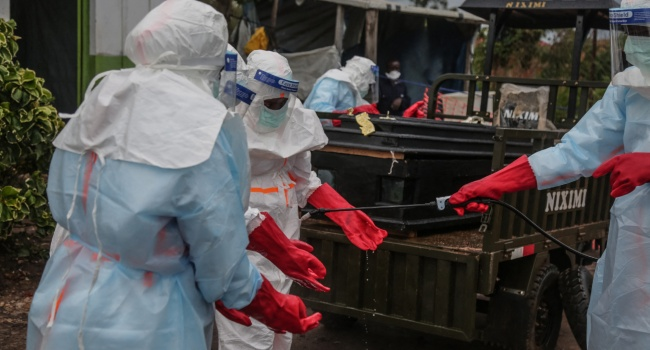
Humanitarian experts warn that insecurity is severely obstructing surveillance operations, treatment access, and public health interventions.
In Ituri Province, many residents reportedly accuse the Congolese government of responding too slowly to the outbreak amid longstanding distrust of state institutions.
In South Kivu, concerns are growing over the capacity of armed groups controlling certain territories to coordinate effective epidemic management.
Analysts note that managing Ebola outbreaks requires highly organised surveillance systems, community cooperation, rapid isolation procedures, and sustained medical logistics — all of which become difficult in conflict-ridden areas.
Regional and Global Health Implications
Public health experts fear that prolonged instability in eastern Congo could significantly increase the risk of regional spread into neighbouring countries including Uganda, Rwanda, Burundi, and South Sudan.
The latest infections in Uganda have already demonstrated how quickly cross-border transmission can occur.
International health agencies are now intensifying surveillance, contact tracing, emergency preparedness, and border screening measures across East and Central Africa.
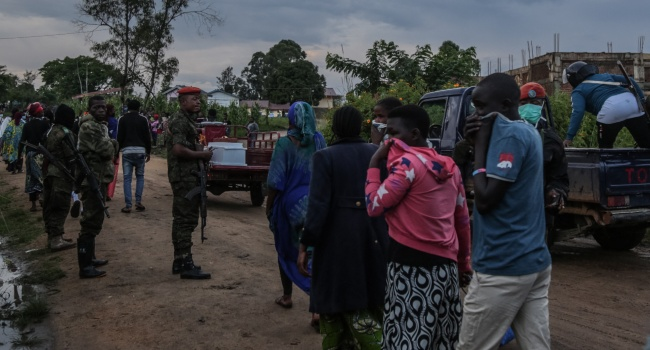
The confirmation of three additional Ebola cases in Uganda underscores the growing regional danger posed by the escalating outbreak in the Democratic Republic of Congo.
With the WHO raising the risk level to its highest category for the DRC and insecurity complicating containment efforts, health authorities face mounting pressure to prevent a wider humanitarian and public health crisis.
As surveillance and emergency response operations intensify, experts warn that swift regional coordination, transparent communication, and strengthened healthcare systems will be critical in containing the deadly virus before it spreads further across Africa.







Leave a Reply