
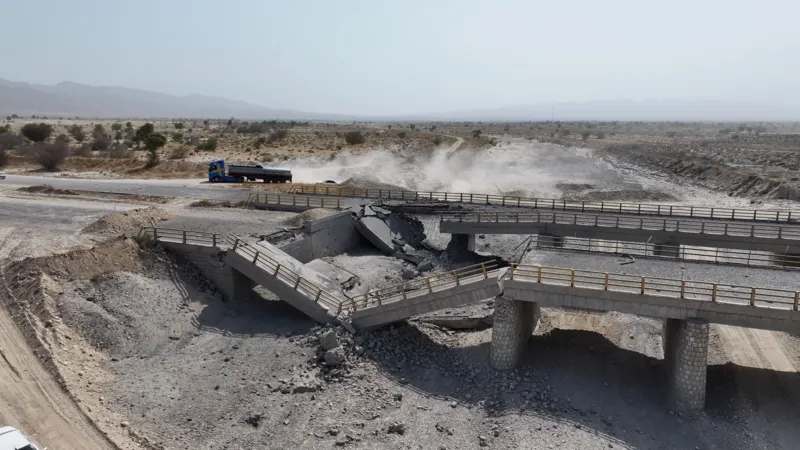
Ceasefire collapses amid renewed military operations, retaliatory attacks, rising civilian concerns and growing fears of wider regional instability.
By A1NEWS International
ABUJA, Nigeria | July 18, 2026
The fragile ceasefire that briefly paused hostilities between the United States and Iran has effectively collapsed, with both countries intensifying military operations in what analysts describe as one of the most dangerous escalations in the Middle East in recent years.
For the seventh consecutive night, the United States military launched coordinated strikes against what it described as Iranian military infrastructure, while Iran accused Washington of violating the ceasefire agreement and responded with attacks targeting facilities in countries allied with the United States.
As casualties mount, critical infrastructure comes under attack and commercial shipping through the strategic Strait of Hormuz remains severely disrupted, security experts warn that the confrontation risks evolving into a broader regional conflict with significant consequences for global energy markets and international security.
US Announces Seventh Consecutive Night of Airstrikes
The United States Central Command (CENTCOM) confirmed that American forces carried out another round of coordinated military operations targeting strategic locations across Iran.
According to CENTCOM, the strikes focused on:
- Military surveillance facilities
- Underground weapons storage sites
- Military logistics infrastructure
- Maritime operational capabilities
The operation reportedly involved fighter aircraft, naval vessels, drones and other military assets operating over several hours before concluding late Friday night.
American military authorities maintained that all targets were military in nature.
US Military Reports Casualties
The Pentagon confirmed that two American service members were killed during recent military operations, while another was initially reported missing.
CENTCOM also disclosed that several other personnel sustained injuries during Iranian retaliatory attacks on American positions in the region.
The identities of the deceased soldiers have not yet been released pending notification of their families.
The announcement marks one of the most significant acknowledged American military losses since the latest phase of the conflict began.
Iran Responds with Regional Retaliation
Iranian authorities said they responded by launching attacks against facilities located in countries considered close American allies.
According to officials in affected countries:
- Kuwait reported damage to an electricity plant, oil infrastructure and a desalination facility.
- Jordan announced the interception of multiple incoming missiles.
- Bahrain activated its air defence systems after reporting attempted missile attacks.
The Gulf Cooperation Council (GCC) condemned the attacks, describing them as violations of international law and urging the international community to hold those responsible accountable.
Iran has maintained that its actions were defensive responses to repeated American military operations.
Ceasefire Agreement Appears to Have Collapsed
The renewed fighting comes barely weeks after both countries agreed to suspend hostilities to allow diplomatic negotiations.
The temporary ceasefire had raised hopes that months of military confrontation could eventually produce a broader peace agreement.
Those hopes now appear increasingly remote.
President Donald Trump recently declared the agreement effectively over, accusing Iran of failing to honour its commitments.
Iranian leaders, however, insist Washington repeatedly violated the agreement first.
In a strongly worded statement, Iran’s Supreme Leader, Mojtaba Khamenei, accused the United States of repeatedly breaching the ceasefire and undermining diplomatic efforts.
Strategic Strait of Hormuz Remains Under Pressure
One of the most significant consequences of the renewed conflict is the continued disruption of maritime traffic through the Strait of Hormuz.
The narrow waterway remains among the world’s most strategically important energy corridors, with approximately one-fifth of global oil and liquefied natural gas exports normally passing through it.
Shipping traffic has reportedly declined sharply following:
- Military threats
- Naval deployments
- Security concerns
- Insurance complications for commercial vessels
Energy analysts warn prolonged disruption could affect global oil prices and international supply chains.
Civilian Infrastructure Also Impacted
Although the United States insists it targeted only military facilities, Iranian authorities reported damage to civilian infrastructure.
According to Iranian officials:
- Electricity installations were damaged.
- Water desalination facilities were affected.
- Telecommunications infrastructure suffered widespread disruption.
- Thousands reportedly experienced interruptions in water and communication services.
Iran also reported casualties in some affected areas.
Washington has rejected allegations that civilian infrastructure was intentionally targeted.
Conflicting Narratives Dominate the Information War
As military operations intensify, both governments continue to issue sharply conflicting accounts.
The United States denied Iranian reports alleging attacks on commercial oil tankers and dismissed several Iranian military claims as misinformation.
Similarly, Iranian officials dispute Washington’s description of the military targets and accuse the United States of concealing the broader humanitarian consequences of its operations.
Independent verification of several battlefield claims remains difficult because of restricted access to conflict zones.
Regional Security Concerns Deepen
Security analysts say the conflict has expanded beyond a bilateral confrontation.
Several neighbouring countries now face increased risks, including:
- Missile interceptions
- Airspace violations
- Threats to critical infrastructure
- Increased military deployments
The possibility of accidental escalation involving additional regional actors continues to concern international observers.
Global Economic Implications
The renewed confrontation could extend far beyond the Middle East.
Potential consequences include:
- Higher global oil prices
- Increased shipping insurance costs
- Supply chain disruptions
- Greater volatility in international financial markets
- Rising inflationary pressures for energy-importing nations
Countries heavily dependent on imported petroleum products—including Nigeria—could experience indirect economic effects if hostilities continue.
Diplomatic Prospects Fade
Diplomatic channels remain open but increasingly fragile.
Iran says negotiations have effectively been suspended following the latest American attacks.
The United States maintains that military pressure remains necessary while leaving open the possibility of future negotiations.
International observers warn that without renewed diplomatic engagement, both countries risk entering a prolonged cycle of retaliation.
The collapse of the temporary ceasefire has pushed the United States and Iran back into direct military confrontation, raising fears of a wider regional conflict with global implications.
Beyond the battlefield, the crisis threatens international energy supplies, regional stability, civilian infrastructure and diplomatic efforts aimed at preventing a broader war.
As military operations continue and competing narratives dominate international discourse, the coming weeks may determine whether the conflict returns to negotiations or expands into a more dangerous and unpredictable regional confrontation.










Leave a Reply