
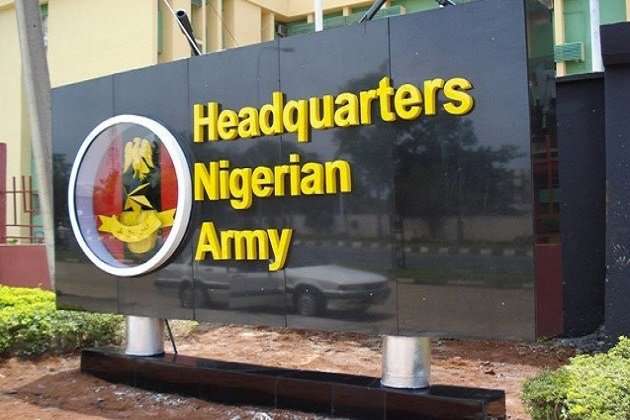
Rising Security Concerns, Political Tensions, and Public Skepticism Fuel Arguments Over Presidential Authority Ahead of 2027 Elections
By Baron Eloagu / June 10, 2026
ABUJA, Nigeria — A heated public debate has emerged over the effectiveness of Nigeria’s command-and-control structure in addressing worsening insecurity, with some commentators questioning whether constitutional civilian authority over the armed forces is being fully exercised in practice.
The discussion, which gained traction in political and social circles following remarks attributed to a commentator identified as “Great Brown” and unnamed interlocutors, reflects growing public frustration over persistent insecurity, kidnappings, and terrorist attacks across parts of the country.
While the 1999 Constitution vests the position of Commander-in-Chief of the Armed Forces in the President, critics argue that operational realities on the ground raise questions about the state’s ability to decisively end insecurity.
However, security experts caution that such claims often oversimplify Nigeria’s complex security architecture, which involves multiple agencies, overlapping jurisdictions, and asymmetric warfare challenges.
Constitutional Authority vs. Operational Reality
Under Nigeria’s Constitution, the President serves as Commander-in-Chief of the Armed Forces, exercising authority over the military, police, and intelligence agencies through the Ministry of Defence and the National Security Council.
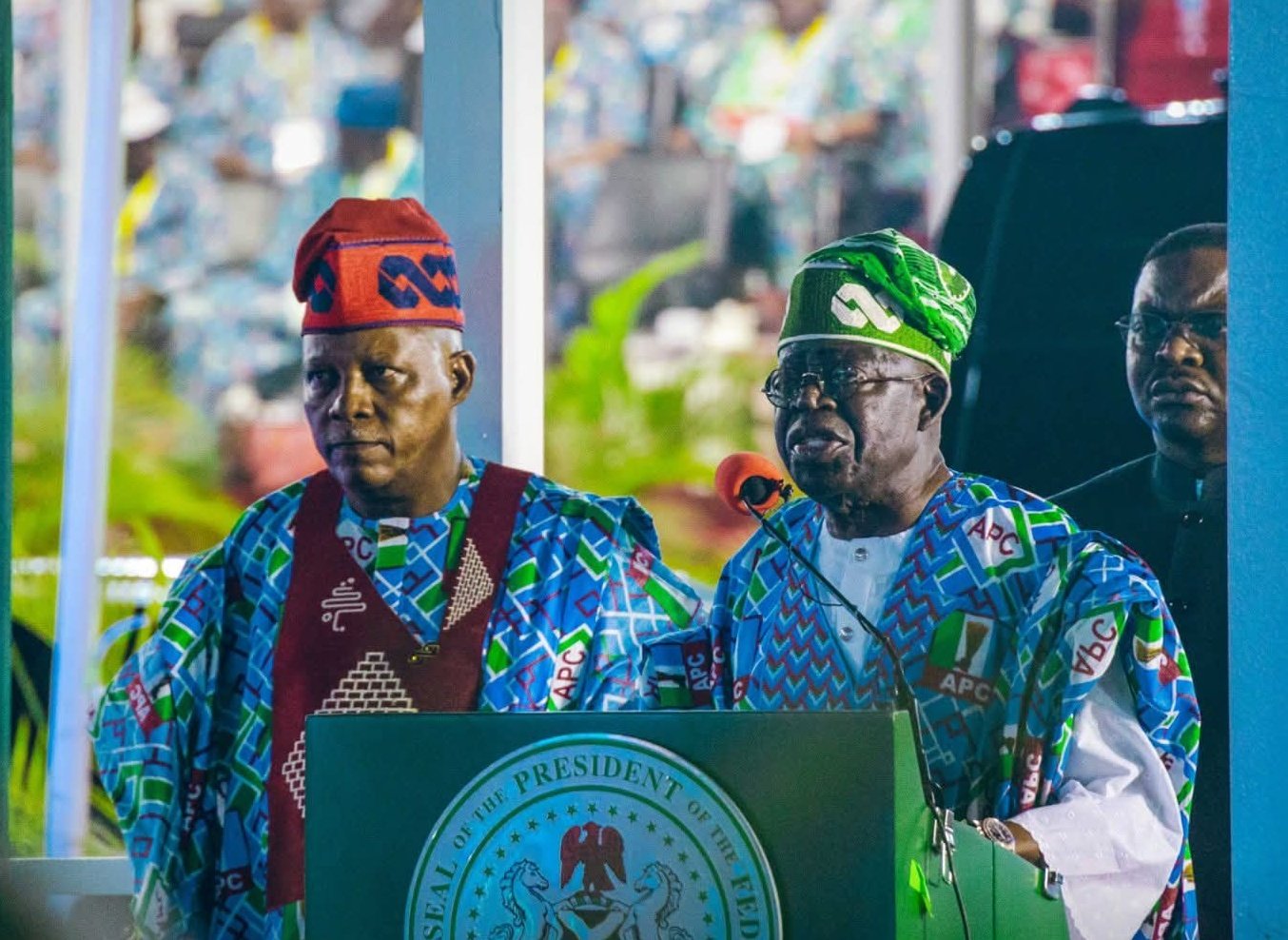
The current administration of President Bola Ahmed Tinubu has repeatedly maintained that it retains full constitutional control over national security operations, even as it faces ongoing insurgency in the North-East, banditry in the North-West, and communal violence in parts of the North-Central region.
Despite this, public perception of insecurity has intensified amid frequent mass abductions, rural attacks, and highway kidnappings.
Public Frustration Over Insecurity
The debate reflects a broader national concern: whether Nigeria’s security institutions are adequately responding to evolving threats.
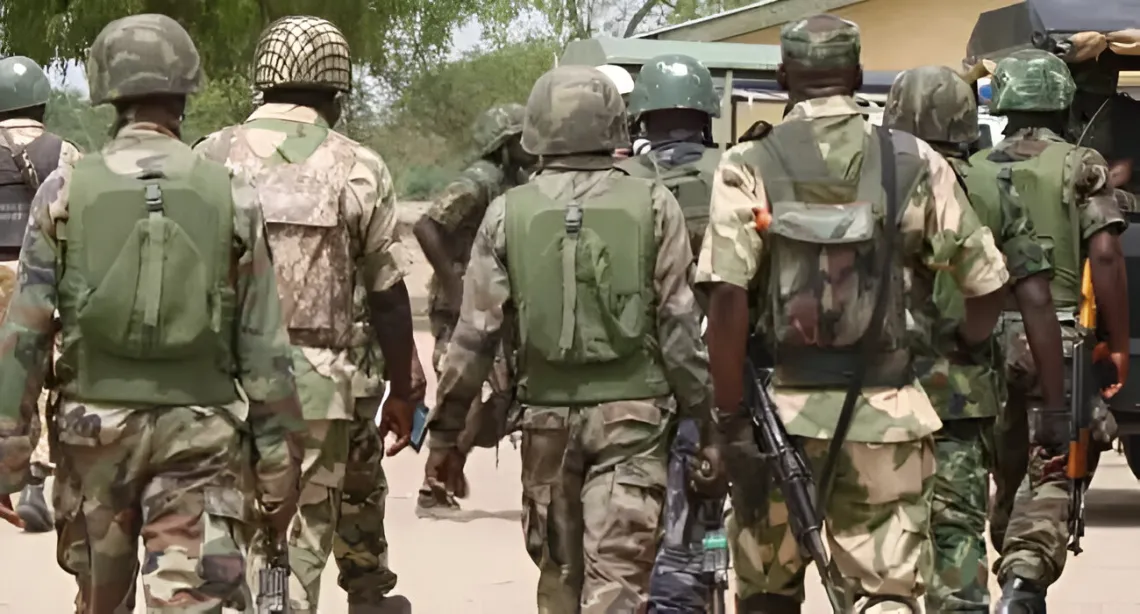
Citizens in several states have continued to report delayed military response times, limited presence in rural communities, and recurring attacks despite ongoing counterterrorism operations.
In some cases, armed groups have carried out attacks in proximity to security checkpoints, raising questions about intelligence effectiveness and operational coordination.
Government officials, however, insist that significant gains have been made in degrading terrorist capabilities, particularly in areas previously controlled by insurgents.
Disputed Claims and Political Interpretations
Some of the statements circulating in public discourse suggest that political authority over security matters is influenced by informal power structures or external pressures. These claims remain unverified and are not supported by publicly available evidence.
No credible security documentation confirms assertions that the President lacks operational command over the armed forces or that national security decisions are controlled outside constitutional frameworks.
Analysts warn that such narratives, if left unchecked, risk deepening ethnic distrust and undermining national cohesion.
Comparative Governance Standards
Observers often compare Nigeria’s security leadership structure with other democracies, noting that in countries such as the United States and Israel, the President and Prime Minister respectively exercise direct constitutional authority as commanders-in-chief.
However, security analysts emphasize that effectiveness depends not only on constitutional authority but also on intelligence capacity, institutional discipline, funding, and inter-agency coordination.
Civil Liberties, Protests, and Security Responses
Concerns have also been raised by rights groups over the handling of protests and civil demonstrations in Nigeria, particularly regarding allegations of excessive force by security agencies.
Government officials maintain that security forces act within the law to prevent breakdowns of public order, especially where protests are deemed to pose risks to infrastructure or national stability.
Legal experts note that tensions between civil liberties and security enforcement remain a recurring issue in many democracies.
Armed Self-Defense Debate
The ongoing insecurity has also revived debates about civilian access to firearms for self-defense.
Nigeria’s firearms laws remain restrictive, with authorities maintaining that armed civilian groups could worsen instability in already volatile regions.
Security agencies argue that strengthening policing capacity and intelligence operations remains a more sustainable solution than civilian armament.
Leadership, Responsibility, and Public Expectations
Amid rising insecurity, citizens continue to demand stronger accountability from political leadership and improved coordination among security agencies.
President Tinubu has repeatedly pledged to prioritise national security, strengthen military capacity, and invest in intelligence-driven operations to combat terrorism and banditry.
However, critics argue that measurable improvements in safety outcomes remain uneven across regions.
The debate over who effectively controls Nigeria’s security architecture reflects deeper concerns about governance, institutional performance, and public trust.
While constitutional authority is clearly defined, the real challenge for Nigeria remains translating that authority into consistent security outcomes across all regions.
As the country moves toward the 2027 elections, security performance is expected to remain a central issue shaping political discourse and public confidence in the state.




Leave a Reply