
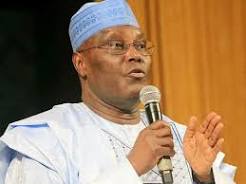
Former Vice President says Nigerians will judge Tinubu by inflation, insecurity, unemployment and governance performance, while ADC urges President to focus on national challenges instead of political rhetoric.
By John Ishaku
Abuja, Nigeria | July 30, 2026
Introduction
Nigeria’s political landscape ahead of the 2027 general elections has witnessed another sharp exchange between President Bola Ahmed Tinubu and former Vice President Atiku Abubakar, as the presidential candidate of the African Democratic Congress (ADC) declared that the President’s greatest electoral challenge is not the opposition but the performance of his own administration.
Atiku’s remarks came in response to President Tinubu’s comments that opposition politicians were “crying wolf” over the conduct of the next general election because they were “afraid of their own shadows.”
The exchange reflects the early intensification of political positioning ahead of the 2027 polls, even as Nigerians continue to grapple with inflation, insecurity, unemployment, rising public debt and the cost-of-living crisis.
Political observers say the growing war of words also signals that governance performance, electoral credibility and economic recovery are likely to dominate the next presidential campaign.
Tinubu Assures Catholic Bishops of Credible Elections
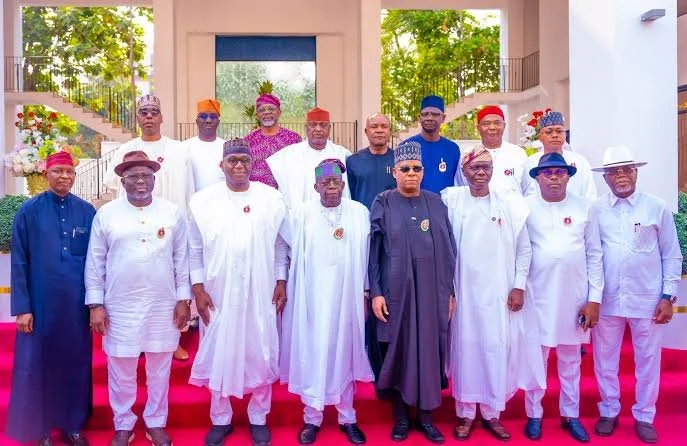
The latest political exchange began during a meeting at the Presidential Villa, Abuja, where President Tinubu received the leadership of the Catholic Bishops’ Conference of Nigeria (CBCN) led by Archbishop Matthew Ndagoso of Kaduna.
During the meeting, the President assured the bishops that the Independent National Electoral Commission (INEC) would conduct free, fair and credible elections in 2027.
Tinubu also pledged that all political parties would enjoy equal opportunities throughout the electoral process.
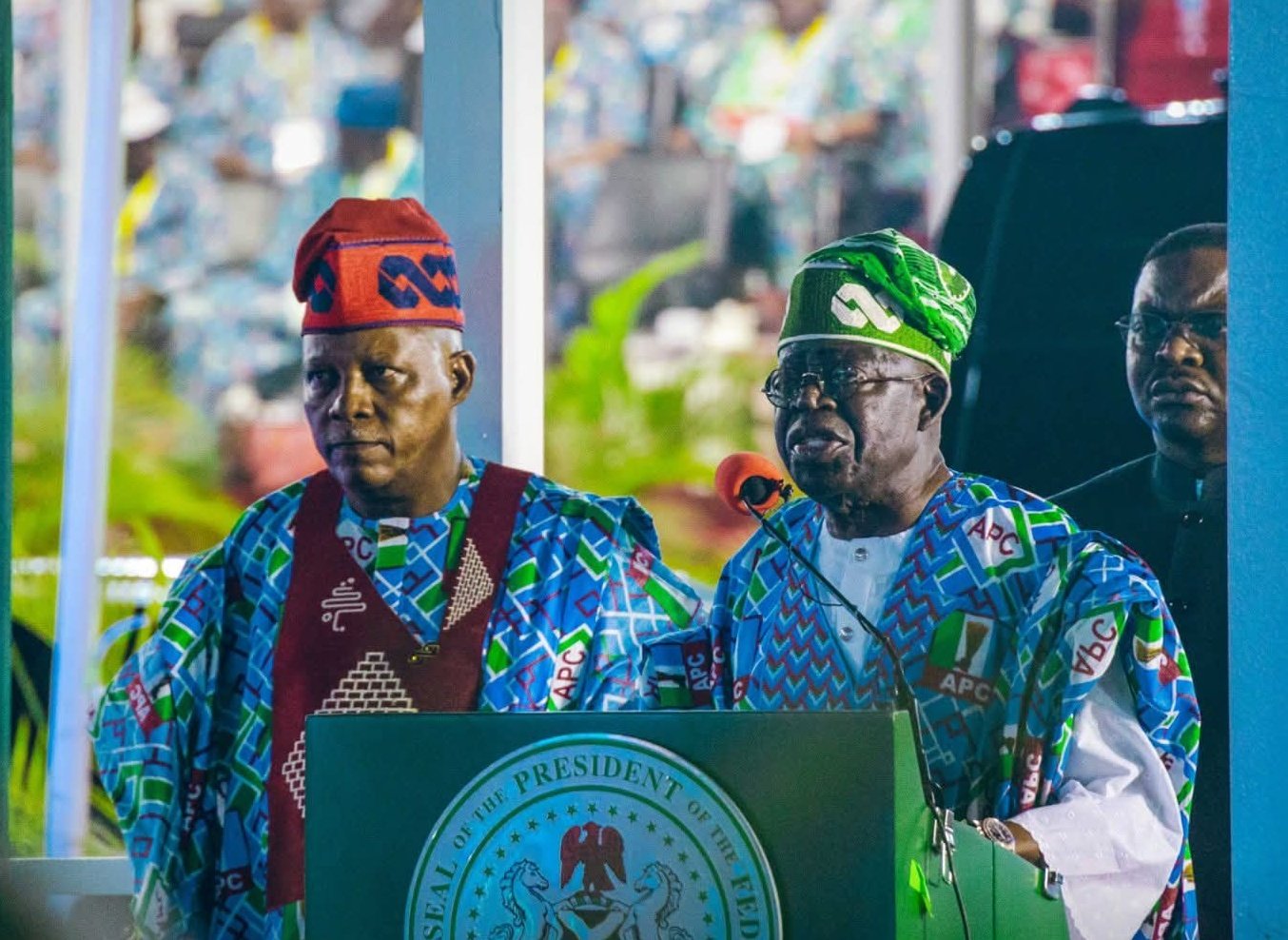
Responding to growing concerns raised by opposition politicians, the President dismissed allegations of bias, suggesting that critics were merely “afraid of their own shadows.”
Atiku Fires Back: ‘Your Biggest Opponent Is Your Record’
Reacting through a statement issued by his Senior Special Assistant on Public Communication, Phrank Shaibu, Atiku accused the President of focusing on political attacks rather than addressing Nigeria’s worsening governance challenges.
According to the former Vice President, the administration’s greatest political obstacle is the outcome of its own policies.
He argued that millions of Nigerians are confronting severe economic hardship and insecurity, making governance—not political rhetoric—the defining issue ahead of the next election.
Atiku maintained that no amount of political messaging can erase the daily realities confronting ordinary citizens.
Economic Hardship Takes Centre Stage
The former Vice President listed what he described as the country’s most pressing problems, including:
- Rising inflation.
- High food prices.
- Widespread hunger.
- Unemployment.
- Exchange-rate instability.
- Declining investor confidence.
- Increasing public debt.
- Policy inconsistency.
He argued that these issues demand urgent government attention rather than prolonged political exchanges.
According to Atiku, Nigerians are more interested in measurable improvements in their quality of life than political rhetoric.
Security Remains a Major Campaign Issue
Beyond the economy, Atiku criticised the administration’s handling of insecurity.
He alleged that many farming communities continue to face attacks from armed groups while kidnappings and violent crimes remain widespread.
Although the Federal Government has repeatedly highlighted ongoing military operations against terrorists, bandits and other criminal groups, insecurity continues to dominate national discourse across several regions.
Security analysts note that public perception of safety is expected to remain a key electoral issue in the run-up to 2027.
‘Government Will Be Judged by Results’
Atiku argued that elections are ultimately decided by citizens’ assessment of government performance.
According to him, every unemployed graduate, struggling business owner, victim of insecurity and family facing economic hardship represents a verdict on public policy.
He stated that history would judge leaders by their achievements in office rather than political speeches.
The former Vice President urged President Tinubu to devote the remainder of his tenure to addressing governance challenges instead of engaging in partisan confrontations.
ADC Echoes Atiku’s Position
The African Democratic Congress also criticised President Tinubu’s remarks.
In a statement signed by its National Publicity Secretary, Bolaji Abdullahi, the party argued that elections are won through governance performance rather than political slogans.
The ADC called on the administration to concentrate on:
- Tackling terrorism.
- Addressing banditry.
- Combating kidnapping.
- Reviving the economy.
- Improving citizens’ welfare.
The party maintained that effective leadership, rather than political exchanges, would ultimately determine voters’ decisions in 2027.
Politics Gradually Shifts Toward 2027
Although the next general election remains months away, political activities have intensified across major parties.
Recent developments include:
- Opposition realignments.
- Renewed debates over electoral reforms.
- Discussions on INEC’s preparedness.
- Increased scrutiny of government performance.
- Growing attention to campaign narratives.
Political analysts say both the ruling All Progressives Congress (APC) and opposition parties are already shaping public narratives that may define the next presidential contest.
Performance Versus Political Messaging
The latest exchange illustrates two competing political strategies.
While the Presidency continues to defend its record and assure Nigerians of credible elections, opposition figures seek to frame the election around governance outcomes.
Analysts believe that by 2027, voters are likely to evaluate candidates based on several measurable indicators, including:
- Inflation trends.
- Employment generation.
- Security conditions.
- Exchange-rate stability.
- Infrastructure delivery.
- Healthcare.
- Education.
- Poverty reduction.
These issues are expected to overshadow purely partisan arguments during the campaign.
The exchange between President Bola Tinubu and former Vice President Atiku Abubakar reflects the increasingly competitive political atmosphere ahead of Nigeria’s 2027 general elections. While President Tinubu has reaffirmed his commitment to credible elections and dismissed opposition concerns, Atiku insists that the administration’s record on economic management and security will remain its greatest electoral challenge.
As political campaigns gradually take shape, Nigerians are expected to assess competing visions against the realities of daily life. Ultimately, the strength of campaign rhetoric may matter less than demonstrable improvements in governance, economic stability, security and public confidence in democratic institutions.



Leave a Reply