
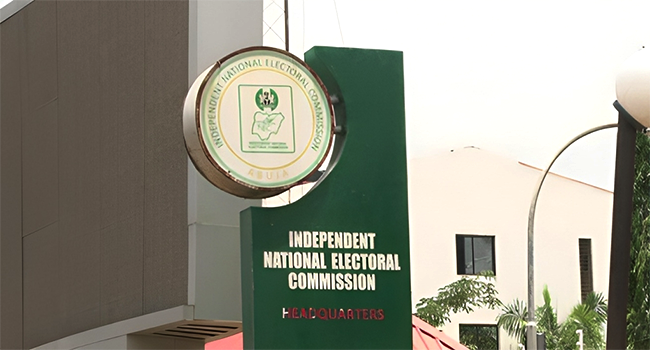
Electoral commission pledges credible, transparent polls as new INEC chairman seeks to strengthen public confidence in Nigeria’s democratic process ahead of the 2027 general elections.
By Usman Zakai
MINNA, Niger State — July 25, 2026
The Chairman of the Independent National Electoral Commission (INEC), Prof. Joash Amupitan, has assured Nigerians that every lawful vote cast in the 2027 general elections will count, declaring that the electoral commission is committed to delivering free, fair, transparent and credible polls capable of reflecting the true will of the electorate.
The assurance comes amid growing public scrutiny of Nigeria’s electoral system following disputes that trailed previous elections, legal battles over electoral outcomes, and increasing calls for reforms aimed at strengthening transparency, accountability and voter confidence.
Speaking during a courtesy visit to former Head of State and Chairman of the National Peace Committee, General Abdulsalami Abubakar (retd.), at his residence in Minna, Niger State, on Friday, Amupitan reaffirmed INEC’s resolve to protect the sanctity of the ballot despite the enormous political, logistical and security challenges associated with conducting elections in Africa’s largest democracy.
The visit also served as an opportunity for the electoral commission to formally announce the timetable for the 2027 general elections and seek continued collaboration with the National Peace Committee in promoting peaceful electoral conduct.
INEC Pledges Credible Elections
Addressing his host, the INEC chairman stressed that restoring public confidence in the electoral process remains one of the commission’s highest priorities.
According to him, Nigerians must be able to participate in elections with absolute confidence that their votes will determine the eventual winners.
“The Commission’s determination under my leadership is to see ordinary Nigerians go out and vote, confident that their votes will be duly counted and reflected in the outcome of elections,” Amupitan said.
He described the assurance as the fundamental obligation the electoral body owes every eligible Nigerian voter.
Political observers say the statement directly addresses one of the most persistent concerns expressed by citizens regarding electoral credibility and the integrity of vote collation.
INEC Releases 2027 General Election Timetable
During the visit, Amupitan officially announced the dates approved for Nigeria’s next general elections.
According to the commission:
- Presidential and National Assembly elections will hold on Saturday, January 16, 2027.
- Governorship and State Houses of Assembly elections will take place on Saturday, February 6, 2027.
The announcement provides political parties, candidates, civil society organisations and election observers with an early framework for preparations ahead of the polls.
Election experts note that early publication of election timetables is considered an important component of electoral transparency because it allows stakeholders adequate time for planning, voter education and logistical arrangements.
Visit to National Peace Committee
The INEC chairman described the visit to General Abdulsalami Abubakar as more than a routine courtesy call, characterising it as “a pilgrimage of appreciation.”
He commended the former military Head of State for his longstanding contributions to Nigeria’s democratic development, particularly his leadership during the country’s transition from military rule to civilian governance in 1999.
Amupitan referred to Abdulsalami as:
“The father of democracy in Nigeria.”
He also described him as a dependable pillar of support for the Independent National Electoral Commission.
Peace Accord Initiative Commended
Amupitan praised the National Peace Committee under Abdulsalami’s leadership for promoting peaceful elections through the signing of Peace Accords by political parties and candidates before major elections.
According to him, the initiative has helped reduce political tension by encouraging contestants to reject violence and commit to democratic principles.
He said the committee has continued to serve as:
- A stabilising force within Nigeria’s democratic process;
- A moral influence on political actors; and
- An institution strengthening respect for the sovereignty of the Nigerian electorate.
The National Peace Committee has, over successive election cycles, brokered peace agreements among political parties in efforts to minimise election-related violence.
Abdulsalami Calls for Public Support
Responding, General Abdulsalami Abubakar urged Nigerians to support the Independent National Electoral Commission as preparations intensify for the 2027 elections.
The elder statesman emphasised that credible elections require cooperation from all stakeholders, including political parties, security agencies, civil society organisations, the media and the electorate.
Observers say the National Peace Committee is expected to play another significant role in engaging political actors ahead of the polls to reduce tensions and promote issue-based campaigns.
Growing Expectations Ahead of 2027
Amupitan’s assurance comes at a time when electoral reforms remain one of the most debated governance issues in Nigeria.
Following previous general elections, political parties, election observers and civil society organisations have continued to advocate improvements in several areas, including:
- Electronic transmission of election results;
- Timely deployment of election materials;
- Voter accreditation technologies;
- Election security;
- Transparency in result collation; and
- Speedy resolution of post-election disputes.
Public confidence in INEC’s ability to address these concerns is expected to significantly influence voter turnout and the overall credibility of the 2027 elections.
Challenges Ahead for the Electoral Commission
Despite the commission’s assurances, analysts note that delivering credible elections will require more than public commitments.
INEC is expected to contend with several operational challenges, including logistics across difficult terrains, insecurity in some parts of the country, voter education, election financing, technological reliability and effective collaboration with security agencies.
Political observers argue that sustaining public trust will depend largely on the commission’s impartiality, transparency and consistent application of electoral laws throughout the election cycle.
Broader Democratic Significance
Nigeria’s 2027 general elections are expected to be among the country’s most closely watched electoral contests, with significant implications for governance, political stability and democratic consolidation.
Analysts believe that if the commission succeeds in delivering elections widely accepted as credible, peaceful and transparent, it could strengthen democratic institutions, reduce post-election litigation and reinforce public confidence in constitutional governance.
Conversely, any perceived shortcomings could intensify political tensions and undermine confidence in the electoral process.
As preparations for the 2027 general elections gather momentum, INEC’s renewed assurance that every lawful vote will count places the electoral commission under heightened public scrutiny.
With election dates now officially announced and stakeholder engagement underway, attention will increasingly shift from promises to implementation.
For millions of Nigerians, the credibility of the 2027 elections will ultimately be measured not by assurances alone, but by whether the electoral process reflects the genuine will of the people and strengthens confidence in the nation’s democracy.








Leave a Reply