
By Amarachi Odenigbo
ABUJA, Nigeria — Wednesday, September 9, 2026
Fresh resistance appears to be emerging inside Nigeria’s opposition camp as the G-100 coalition—pushing for a consensus presidential candidate ahead of the 2027 elections—faces continued refusal from key presidential aspirants to step down.
According to insiders and party spokespeople, former Vice-President Atiku Abubakar, former Anambra State Governor Peter Obi, and Oyo State Governor Seyi Makinde have maintained their presidential ambitions, frustrating expectations that consultations could quickly produce a single opposition “ticket.”
While a G-100 stakeholder, Ambassador Umanu Elijah, told reporters that consultations were expected to conclude with a consensus candidate by September 30, multiple political camps have signaled they have no intention of withdrawing for another aspirant—deepening uncertainty about whether a unity deal is achievable.
G-100 Targets a Consensus Candidate by September 30
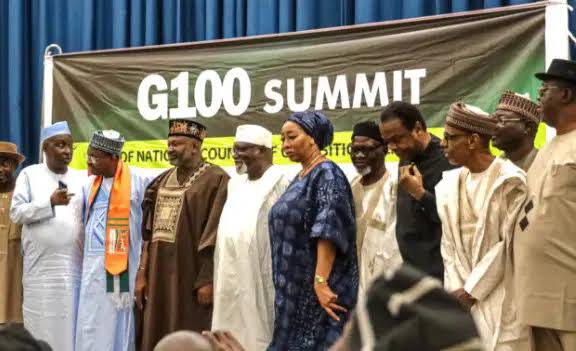
The G-100, described as a coalition of political groups and stakeholders advocating a united opposition front, recently held the G-100 Alliance Summit at the Shehu Musa Yar’Adua Centre, Abuja.
The summit brought together representatives of six opposition political parties and discussed areas of cooperation ahead of the 2027 presidential election—particularly how to present a formidable challenge to the ruling All Progressives Congress (APC) and President Bola Tinubu.
Elijah, speaking in an interview, said the alliance is moving through a gradual process and that consultations are ongoing behind the scenes. He said the goal remains to agree on a consensus candidate and then seek support from other candidates and parties before the end of September.
Atiku, Obi, Makinde “Not Stepping Down”—Unity Plan Faces a Hard Wall
Despite the G-100’s stated timeline, reporting indicates that the camps of Atiku, Obi and Makinde have not accepted the narrative of stepping down.
- Sources tied to Atiku Abubakar suggested the former vice-president remains the opposition’s leading choice—arguing that the ADC platform was created as the coalition structure for the opposition’s struggle.
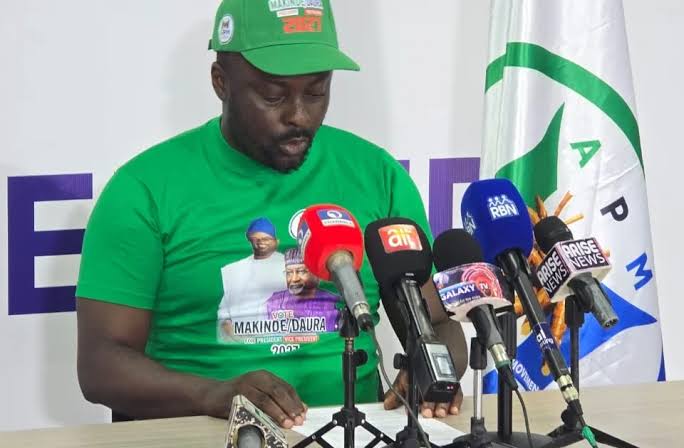
- The Allied Peoples’ Movement (APM) insisted Seyi Makinde remains “firmly in the race,” rejecting suggestions he is only participating as a placeholder.
- The NDC position, according to its spokesperson, is that while the party supports discussions, participation in coalition building does not mean automatic withdrawal, especially if the party believes its candidate remains capable of winning.
The combined effect is a scenario in which the G-100 negotiations may continue—yet without guarantees that the most prominent aspirants will surrender their presidential ambitions.
Opposition Parties Reject “Elite Replacement” Model of a Single Candidate
Beyond the three major aspirants, other opposition movements have also pushed back on pressure to unify behind one name.
Prominent voices in the opposition—including the African Action Congress (AAC)—argued that a “single candidate” arrangement without a shared ideology, clear programme, and commitment to reforms could amount to another elite reshuffling rather than a genuine transformation of Nigeria.
Similarly, other parties and spokespersons rejected the idea that candidates must withdraw purely because a coalition group agrees on a preferred option.
Notably:
- The Democratic Leadership Alliance (DLA) reportedly dismissed the single-candidate model.
- The Young Progressives Party signaled conditional openness—insisting any consensus must meet requirements tied to ideology, development, and grassroots empowerment.
- The Action Democratic Party (ADP) leadership also maintained it would not withdraw its candidate, warning that reconciling multiple interests across parties quickly may be difficult without a workable political framework.
What the Push for Unity Could Mean for 2027 Strategy
If major aspirants continue to resist step-down pressure, opposition leaders may still reach an agreement—but the political cost could increase. A consensus campaign that lacks buy-in from key blocs risks:
- splintering voter confidence,
- weakening grassroots mobilization,
- and limiting the opposition’s ability to present a cohesive policy agenda.
At the same time, opponents argue that forcing withdrawal too early could produce a “paper unity” deal—one that fails to translate into votes on election day.
As the G-100 moves toward a hoped-for consensus decision by September 30, opposition presidential aspirants including Atiku Abubakar, Peter Obi, and Seyi Makinde appear unwilling to step aside—turning unity talks into a contest over legitimacy and electoral strategy rather than merely candidate selection.
With multiple opposition parties also rejecting single-candidate pressure, the question now shifts from whether consultations will end by September 30, to whether the opposition can agree on a candidate and a political philosophy capable of commanding nationwide support in 2027.





Leave a Reply