
Gulf states push urgent diplomacy as regional war widens and civilian toll rises
By A1 News International
Abuja, Nigeria — March10, 2026
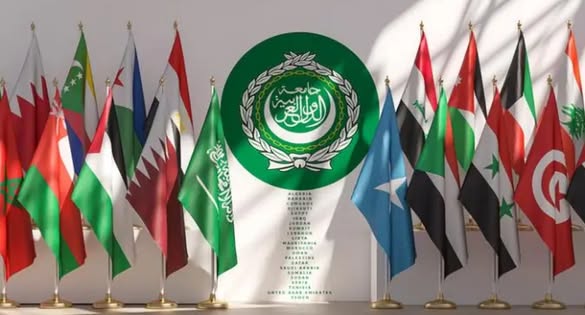
The Arab League has convened an emergency meeting of foreign ministers as tensions with Iran intensify following a series of retaliatory strikes across the Middle East. The move signals growing alarm among Arab states over the rapid expansion of the Israel–Iran War 2026 and its destabilising impact on regional security.
What Happened
The emergency session, requested by Kuwait, Saudi Arabia, Qatar, Oman, Jordan, and Egypt, will be held virtually, according to Assistant Secretary-General Hossam Zaki.
The meeting follows escalating hostilities triggered by joint U.S.–Israel airstrikes on Iran on February 28, which reportedly killed Iran’s Supreme Leader Ali Khamenei. The development has since unleashed a wave of retaliatory missile and drone attacks across multiple countries in the region.
Strikes Hit Iran’s Oil Infrastructure
On the ground in Iran, officials confirmed that coordinated strikes targeted key oil facilities in and around Tehran, killing at least four workers and damaging critical infrastructure.
The head of the National Iranian Oil Products Distribution Company, Keramat Veyskarami, said four oil depots and a petroleum transport centre in Tehran and Alborz Province were hit by what he described as “enemy aircraft.”
Emergency responders battled overnight fires as thick smoke engulfed parts of the capital. Despite the damage, authorities insisted that fuel reserves remain stable.
Arab League Condemns Retaliation
Secretary-General of the Arab League, Ahmed Aboul Gheit, condemned Iran’s retaliatory strikes on Gulf states, describing them as a violation of international law and the United Nations Charter.
He warned that the attacks risk triggering a broader confrontation between Iran and its Arab neighbours, urging Tehran to immediately halt further escalation.
Leadership Crisis in Iran
Following the reported death of Ali Khamenei, Iran’s Assembly of Experts is preparing to convene to appoint a new Supreme Leader.
A member of the council, Hossein Mozafari, indicated that deliberations could begin within 24 hours, marking a critical moment in Iran’s political stability amid wartime conditions.
War Expands Across Region
Iran has launched missile and drone attacks targeting Israeli assets and locations hosting U.S. forces across the Gulf. Air defence systems have been activated in Jerusalem, Dubai, Manama, and near Riyadh.
Authorities in the United Arab Emirates reported intercepting multiple missiles and drones, though one projectile struck near Dubai International Airport, causing an explosion. Similar interceptions were recorded over Baghdad and Erbil, both key hubs for U.S. operations.
The United States Department of State accused Iran of escalating aggression, citing a drone strike in Nakhchivan that injured civilians. Spokesman Tommy Pigott described the attack as a “flagrant violation” of sovereignty.
Global Powers Trade Warnings
U.S. President Donald Trump warned that Iran could face intensified military action if attacks persist, signalling potential escalation.
Iranian President Masoud Pezeshkian rejected calls for surrender, insisting the country would resist external pressure.
Meanwhile, Vladimir Putin has called for a ceasefire, though diplomatic pathways remain uncertain as Washington maintains hardline conditions for negotiations.
Rising Human Cost, Global Impact
The conflict, now entering its second week, has reportedly killed at least 926 civilians in Iran, with nearly 6,000 injured, according to official figures. In Lebanon, Israeli strikes have left more than 200 dead within a week, raising fears of a widening humanitarian crisis.
Beyond the battlefield, the war is disrupting global oil markets and international air travel, marking the most significant aviation shock since the COVID-19 pandemic.
Why It Matters
The expanding Middle East conflict underscores the fragility of global security architecture and the speed at which regional crises can escalate into broader geopolitical confrontations. For countries like Nigeria, the implications are immediate—rising fuel costs, economic volatility, and increased security risks for international assets.
The absence of a clear diplomatic exit raises the prospect of prolonged instability with far-reaching global consequences.






Leave a Reply