
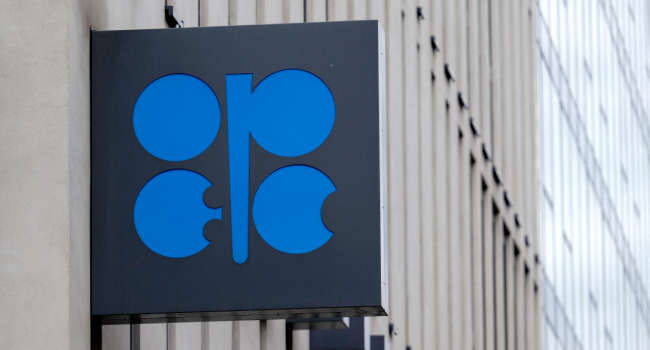
Oil producer cites national interest as Middle East conflict disrupts global energy markets
By A1 News Desk | Abuja, Nigeria
The United Arab Emirates has announced plans to withdraw from the Organization of the Petroleum Exporting Countries and the broader OPEC+ framework, citing a shift toward national energy priorities.
The decision comes amid escalating geopolitical tensions in the Middle East and rising global oil price volatility.
In a statement released by the state news agency, WAM, the UAE said the withdrawal would take effect on Friday, marking a significant shift for one of the world’s leading oil producers.
The government said the move aligns with its long-term economic strategy and evolving energy outlook, adding that continued participation in OPEC no longer serves its national interests.
The UAE has previously expressed concerns over production quotas imposed by OPEC, which it viewed as restrictive to its expansion plans in the oil sector.
Energy Minister Suhail Mohamed al-Mazrouei said the decision followed a comprehensive review of the country’s current and future energy policies, stressing that it was taken independently without consultation with other member states.
Geopolitical Tensions Shape Strategic Shift
The announcement comes against the backdrop of heightened regional instability, including disruptions to oil shipments caused by Iran’s blockade of the Strait of Hormuz—a key global oil transit route.
The UAE has also faced direct security challenges linked to the ongoing conflict, which officials say influenced its strategic recalibration.
Diplomatic adviser Anwar Gargash recently criticised what he described as insufficient regional support in response to attacks attributed to Iran.
Implications for OPEC and Global Oil Markets
The UAE’s exit represents a major development for OPEC, where it has been a longstanding member and significant contributor to coordinated production policies.
Analysts say the move could weaken cohesion within the oil alliance and complicate efforts to stabilise global supply, especially at a time of heightened market uncertainty.
The decision may also signal a broader trend among oil-producing nations seeking greater autonomy over production levels amid shifting economic priorities.
The UAE’s withdrawal from OPEC and OPEC+ could disrupt global oil supply coordination, influence price stability, and reshape alliances within the energy market. It also reflects how geopolitical tensions are increasingly driving economic policy decisions.










Leave a Reply