
By Funke Ajanaku
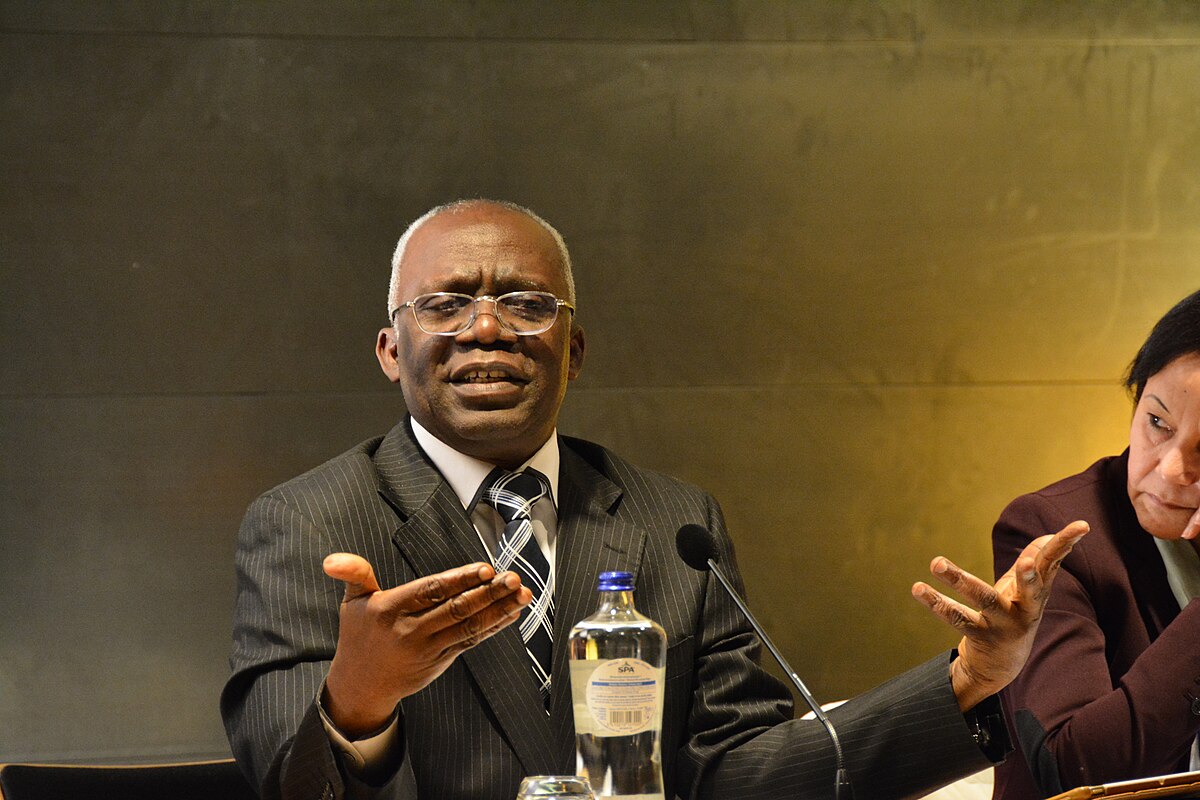
LAGOS, NIGERIA — Senior Advocate of Nigeria (SAN) Femi Falana has warned the Federal Government against allowing the petrol subsidy removal—introduced in May 2023—to morph into another cycle of alleged financial mismanagement, urging strict accountability for the additional revenue generated since the policy change.
Falana said Nigerians deserve clear answers on how the government has utilised subsidy savings, especially as many citizens continue to face rising costs of living and worsening public infrastructure.
Speaking on the issue, the rights lawyer questioned the rationale for asking citizens to endure hardship without visible improvements in services, roads, and development.
Falana demands proof: where did subsidy savings go?
Falana said accountability must be more than political messaging and should include transparent reporting on government allocations across all tiers.
He argued that if governments are now receiving more revenue after subsidy removal, citizens should be able to verify what benefits have been delivered—directly and measurably—through public services and infrastructure.
“People are dying,” Falana stated, adding that the expectation that Nigerians should “wait and wait and wait” is a harmful narrative when conditions on the ground remain poor.
Ekiti road near Afe Babalola University becomes example of alleged failure of accountability
Falana pointed to the condition of a road in Ekiti State leading to Afe Babalola University as a case study of what he called the failure to translate increased government revenue into development.
He referenced claims that the relevant local government received about N5.4 billion between January and May, yet questioned why a road reportedly requiring less than N500 million to repair remains in poor condition.
“You can’t fix a road with less than 500 million naira? And in any case, state governments were fixing roads, and they would then go to Abuja to ask for a refund,” he said, implying a recurring pattern of inefficiency and diversion.
“No return to scam era”: Falana connects subsidy savings to debt and opacity
Falana warned against what he described as a possible return to the “fuel subsidy scam” era—arguing that without transparent utilisation of funds, the policy change may simply shift money into another opaque channel.
He further argued that Nigeria has been generating more revenue from crude oil, and that funds that used to cover fuel imports should have created fiscal space for development.
Falana estimated that about $10 billion previously allocated annually for fuel importation could have been saved, but said much of the additional revenue is being absorbed by debt servicing.
“Now, the money earmarked for fuel importation by the government—$10 billion per annum—ought to have been saved, but the bulk of this money goes for servicing of debt. That’s where the problem lies,” he said.
Falana calls for Nigerians to scrutinise public finance—and demand explanations
Emphasising that accountability must extend beyond the Federal Government, Falana said the Nigerian public has the right to ask questions and demand performance and transparency from federal, state, and local institutions.
He urged citizens to scrutinise government finances, monitor spending priorities, and insist on explanations for how increased allocations are used.
“Yes, state governments are getting more money. The Federal Government is getting more money. Local governments are getting more money on paper. It is the duty of the Nigerian people now to demand accountability,” he said.
Falana: subsidy removal must not become “scam” by another name
Falana warned that without verifiable transparency, subsidy savings could be diverted and replicate earlier alleged subsidy fraud patterns.
Ekiti road case raises questions about local spending
He cited the apparent contrast between reported local government allocations and the continued poor condition of an important road link near Afe Babalola University.
Debt servicing blamed for swallowing subsidy savings
Falana argued that the fiscal space created by ending fuel importation should have supported development but is instead largely consumed by debt obligations.
Election-year pressure: subsidy policy to remain a 2027 issue
With the 2027 presidential election approaching, the subsidy debate is likely to remain a major campaign topic.
Falana’s warning underscores a growing demand for evidence-based governance after the petrol subsidy removal. While the Federal Government has maintained that subsidy removal was necessary to redirect resources toward national development and reduce pressure on public finances, Falana argues that Nigerians are still waiting for the benefits to materialise.
As the country grapples with inflation and high cost of living, Falana insists the public must be given verifiable, audited explanations showing how subsidy savings—and increased revenues—are impacting infrastructure and services across Nigeria.
The subsidy question is also expected to dominate political discussions ahead of 2027, with Atiku Abubakar pledging to restore subsidy if elected, while Peter Obi supports removal but demands transparent and efficient investment of savings.




Leave a Reply