

Stakeholders Call for Credible Elections, Human Rights Protection, and Democratic Accountability as Nigeria Prepares for Critical Electoral Cycle
By A1NEWS International / June 1, 2026
ABUJA, Nigeria – With Nigeria’s next round of Governorship and State Houses of Assembly elections scheduled for February 6, 2027, the National Human Rights Commission (NHRC) has renewed calls for comprehensive electoral reforms, stronger democratic institutions, and the protection of citizens’ rights as the nation prepares for another crucial test of its democracy.
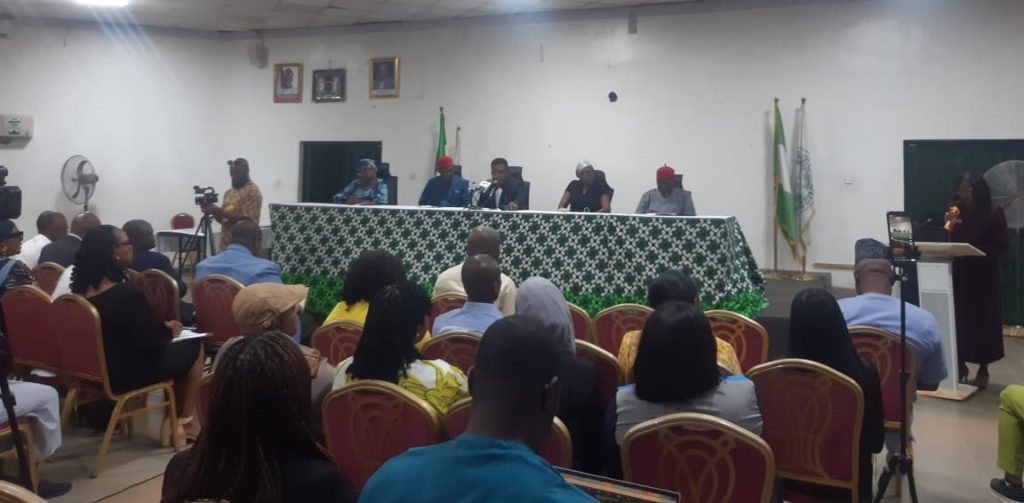
The call was made during preparations for the Annual June 12 Memorial Lecture organized in collaboration with the Prof. Humphrey Nwosu Centre for Democracy and Human Rights, a platform designed to preserve the democratic ideals associated with Nigeria’s historic June 12, 1993 presidential election.
The Commission described the forthcoming electoral cycle as a defining opportunity for stakeholders to strengthen public trust in democratic governance and reinforce electoral integrity across the country.
2027 Elections: A National Test for Democratic Institutions
The NHRC noted that the upcoming governorship and legislative elections will take place against a backdrop of increasing public demand for transparency, accountability, and inclusive governance.
According to the Commission, the memorial lecture comes at a critical moment when election managers, political parties, civil society groups, security agencies, development partners, the media, academics, and voters must collectively examine pathways toward credible elections and sustainable democratic development.
The Commission stressed that democratic governance can only thrive where citizens enjoy the full protection of their rights, particularly the rights to political participation, peaceful assembly, freedom of expression, and access to justice.
“Electoral integrity is not merely a political concern; it is fundamentally a human rights issue,” the Commission emphasized.
Observers say the statement reflects growing concerns over voter apathy, election-related violence, misinformation, and declining confidence in public institutions ahead of the 2027 electoral season.
June 12: The Symbol of Nigeria’s Democratic Aspiration
Central to the discussions is the enduring significance of the June 12, 1993 presidential election, widely regarded as one of the most credible elections ever conducted in Nigeria.
The election has continued to symbolize the aspirations of Nigerians for justice, transparency, national unity, democratic freedom, and accountable governance.
Despite the political controversies that followed its annulment, the sacrifices made by pro-democracy activists and ordinary citizens during that period continue to shape democratic advocacy and institutional reforms in contemporary Nigeria.
Political analysts argue that the lessons of June 12 remain relevant as the country seeks to strengthen electoral credibility and deepen democratic participation.
Prof. Humphrey Nwosu’s Legacy Returns to National Conversation
A major focus of the memorial event is the contribution of the late Professor Humphrey Nwosu, former Chairman of the defunct National Electoral Commission (NEC), whose leadership during the June 12 election remains a reference point in discussions on electoral administration.
Serving between 1989 and 1993, Nwosu supervised the conduct of the historic presidential election that many local and international observers adjudged as the freest and fairest in Nigeria’s political history.
The NHRC described Nwosu’s tenure as a demonstration of courage, professionalism, patriotism, and commitment to electoral transparency.
His role, the Commission noted, continues to offer valuable lessons for election administrators, public officials, democratic institutions, and citizens committed to protecting Nigeria’s democratic gains.
Democracy Centre to Drive Research, Civic Education, and Leadership Development
The Commission highlighted the strategic importance of its partnership with the Prof. Humphrey Nwosu Centre for Democracy and Human Rights.
Established to preserve and advance the democratic legacy of the late electoral umpire, the Centre is expected to serve as a leading institution for:
- Democratic research and policy studies;
- Civic and voter education;
- Leadership development;
- Electoral integrity advocacy;
- Human rights promotion;
- Public policy engagement across Nigeria and Africa.
Stakeholders believe the Centre could become a significant intellectual hub for democratic discourse and governance reforms, particularly at a time when democratic systems worldwide are facing increasing pressure.
Shared Vision of Justice, Accountability and Inclusion
According to the NHRC, the objectives of the Centre align closely with the Commission’s statutory mandate and long-term vision.
Both institutions, it noted, are united by common values that include:
- Justice and accountability;
- Transparency in governance;
- Inclusive political participation;
- Respect for human dignity;
- Institutional integrity;
- Democratic accountability;
- Protection of fundamental rights.
Officials emphasized that the collaboration extends beyond organizing annual memorial lectures and represents a broader commitment to strengthening democratic culture in Nigeria.
Concerns Over Global and Domestic Democratic Challenges
The Commission also expressed concern over emerging threats confronting democracies around the world.
Among the challenges identified were:
Growing Voter Apathy
Many democracies, including Nigeria, continue to witness declining voter participation, especially among young people who increasingly express dissatisfaction with political institutions.
Spread of Misinformation
The rise of digital platforms has amplified the circulation of false information, disinformation campaigns, and politically motivated propaganda capable of undermining electoral credibility.
Political Intolerance and Violence
Electoral violence, hate speech, and political intolerance remain persistent threats to peaceful democratic participation in several regions.
Declining Public Trust
A widening trust deficit between citizens and public institutions has become a major concern for democratic governance and political stability.
The NHRC warned that these challenges require sustained investment in civic education, electoral reforms, democratic dialogue, and institutional accountability.
Annual June 12 Lecture to Convene Key National Stakeholders
Organizers disclosed that the Annual June 12 Memorial Lecture will provide a high-level platform for engagement among policymakers, members of the judiciary, former public office holders, political parties, security agencies, academics, civil society organizations, youth groups, and development partners.
The gathering is expected to generate recommendations aimed at improving electoral processes and strengthening democratic governance before the 2027 elections.
Participants are also expected to examine strategies for enhancing public confidence in elections and ensuring that democratic institutions remain responsive to the needs and aspirations of Nigerians.
As Nigeria moves closer to the 2027 governorship and state legislative elections, the National Human Rights Commission has placed electoral integrity, human rights protection, and democratic accountability at the center of national discourse.
Through its collaboration with the Prof. Humphrey Nwosu Centre for Democracy and Human Rights, the Commission hopes to revive the enduring lessons of June 12 while encouraging reforms capable of safeguarding the credibility of future elections.
For many stakeholders, the challenge ahead is clear: ensuring that the democratic ideals symbolized by June 12 are translated into transparent electoral processes, stronger institutions, active citizen participation, and accountable governance for future generations.







Leave a Reply