
Families of Woro Victims Reveal Insurgents’ Latest Claims as 176 Captives Remain in Prolonged Captivity Months After Deadly Raid
By A1NEWS International / June 2, 2026
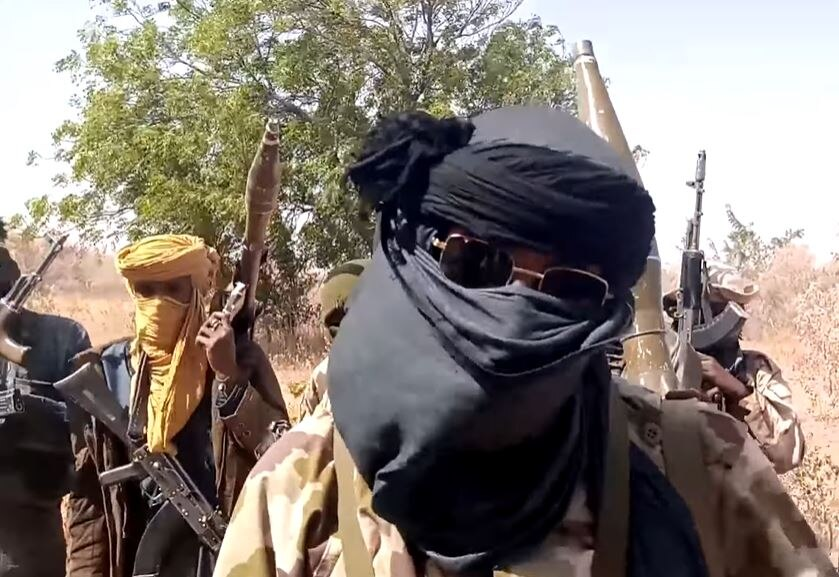
KAIAMA, KWARA STATE –Fresh and disturbing revelations have emerged from Woro community in Kaiama Local Government Area of Kwara State, where families of victims abducted by suspected Boko Haram terrorists say the insurgents are allegedly preparing a so-called “Quranic graduation ceremony” for more than 100 women and children still held in captivity.
The claim, made by relatives during telephone conversations with the abductors, has intensified fears over the prolonged detention of 176 women and children seized during a deadly raid that also left more than 200 residents dead.
The development has further deepened national concern over the expanding footprint of insurgency-related violence in North-Central Nigeria and the prolonged vulnerability of rural communities.
Alleged ‘Graduation Ceremony’ Sparks Alarm Among Families
Family members of the abducted victims say the insurgents disclosed the planned ceremony during recent phone calls made to check on the welfare of their loved ones.
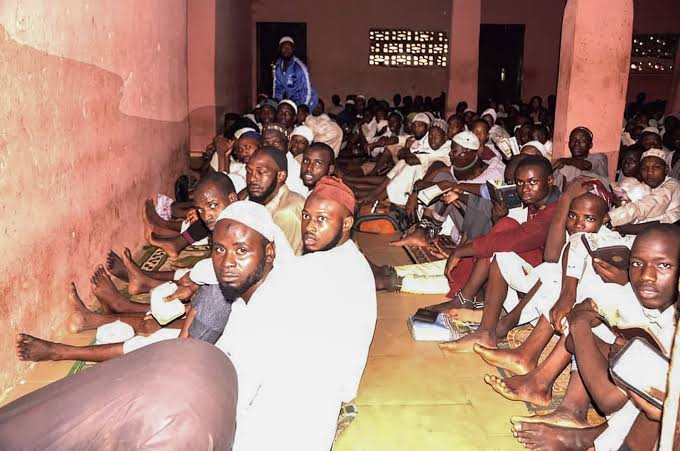
According to multiple family sources, the terrorists claimed they had spent several months teaching the captives Islamic studies, Quranic memorisation, and religious etiquette.
The group allegedly insisted that many of the women and children had made significant progress and were now ready to “graduate.”
One relative, speaking through a community intermediary, said the insurgents described the captives as “students” who had undergone structured religious instruction during their time in captivity.
The claim has left families in shock, struggling to process what they describe as a disturbing attempt to normalise prolonged hostage-taking.
Alleged Threats Over Future Negotiations
Beyond the alleged graduation plan, families say the insurgents issued new warnings regarding future negotiations for release.
According to relatives, the abductors stated that all resources spent on the proposed ceremony—including food, logistics, and training—would be added to any eventual ransom demands.
The families allege that the insurgents made it clear that the costs of what they called “education and graduation” would not be absorbed by them.
This development has raised fears that negotiations for the victims’ release could become even more complex and financially burdensome.
For many families already under emotional and economic strain, the reported threat has deepened despair.
Families Express Fear and Emotional Trauma
Relatives of the abducted victims describe growing psychological distress as captivity stretches into months with little official clarity on rescue progress.
One family member said the situation has become unbearable, noting that families no longer know whether to hope or grieve.
Others fear that prolonged separation may be leading to forced ideological influence, particularly among children and vulnerable women.
Community members say each new piece of information from captivity only adds to their trauma and uncertainty.
Community Leaders Warn of Prolonged Captivity Risks
Local leaders involved in informal tracking of the situation say the alleged graduation narrative underscores how long the victims have been held.
They warn that extended captivity increases risks of psychological conditioning, loss of identity, and deep trauma among survivors.
According to one community source, the situation reflects the absence of sustained pressure and effective rescue operations in remote forest corridors where the captives are believed to be held.
Community stakeholders insist that urgent, coordinated intervention is required to prevent further deterioration of the situation.
Earlier Video Showed Captives Pleading for Help
Weeks before the latest claims, a video circulated showing dozens of abducted women and children under the control of their captors.
In the footage, several victims appealed directly to government authorities and the public for assistance in securing their release.
One of the women stated that they were being taught religious practices and Islamic etiquette while in captivity.
She also claimed that despite being fed, many captives were suffering from illnesses, with pregnant women and children among the most vulnerable.
The video triggered widespread concern and renewed calls for intensified rescue operations.
Massacre That Preceded the Abductions
The Woro tragedy began in February when armed insurgents launched a deadly assault on the community in Kaiama LGA.
During the attack, more than 200 residents were reportedly killed, including members of the Emir’s family, religious leaders, education officials, and students.
Two wives of the Emir of Woro and several of his children were among those killed, while the community’s Chief Imam, a school principal, a headmistress, and multiple students also lost their lives.
The attackers reportedly set parts of the Emir’s palace ablaze before abducting 176 women and children into nearby forests.
The scale of the violence shocked the nation and intensified fears over insecurity spreading deeper into the North-Central region.
Growing Public Anger and Protests in Kwara North
As months pass without the safe return of the abductees, frustration has intensified across Kwara North.
Youth groups and concerned residents have staged protests in Kaiama, demanding immediate government action and increased military pressure on suspected hideouts.
Demonstrators argue that the prolonged silence and lack of visible progress have worsened community anxiety and eroded public confidence.
Civil society voices are also calling for stronger intelligence operations and improved coordination among security agencies.
Security Concerns Deepen Across Rural Communities
Security analysts warn that the Woro incident highlights the growing vulnerability of rural settlements in Nigeria’s forested regions.
They note that prolonged captivity cases often indicate entrenched militant presence and weak territorial control by state forces.
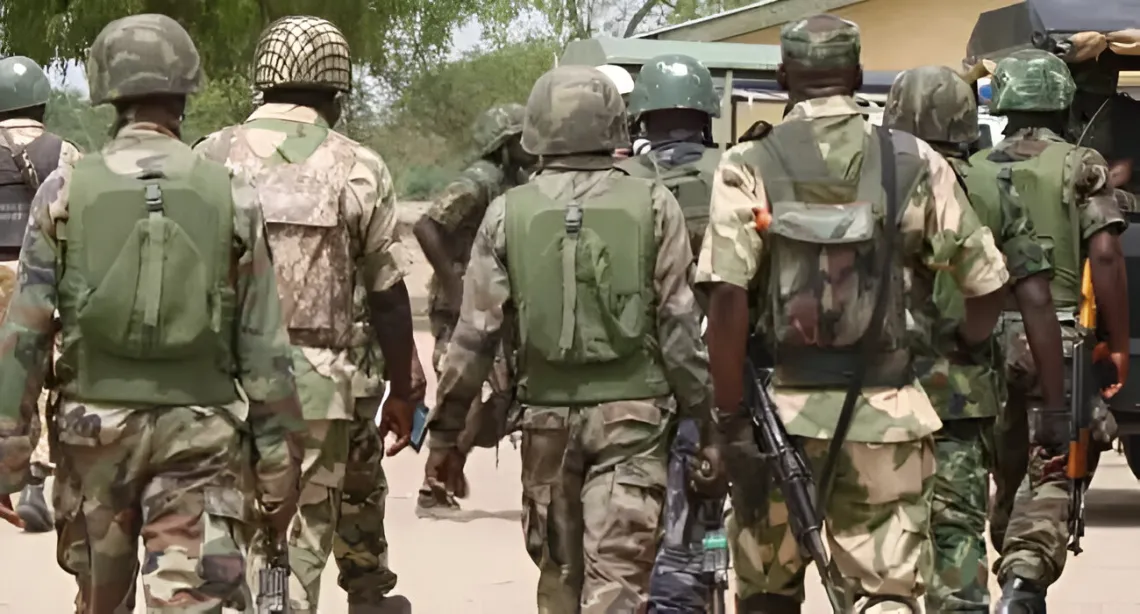
Experts argue that without sustained security presence and improved surveillance systems, similar mass abductions could recur in other communities.
They also stress the need for a long-term strategy combining military pressure, intelligence operations, and community engagement.
The alleged plan by suspected Boko Haram terrorists to organise a “Quranic graduation ceremony” for abducted women and children in Kwara State has intensified national concern over one of the region’s most prolonged captivity crises.
For the families of Woro community, the situation represents an agonising mix of fear, uncertainty, and unanswered questions as 176 loved ones remain in captivity months after a devastating attack that claimed over 200 lives.
With public anger rising and rescue uncertainty persisting, pressure is mounting on security agencies to accelerate efforts aimed at securing the safe return of the victims and restoring confidence in vulnerable communities.








Leave a Reply