
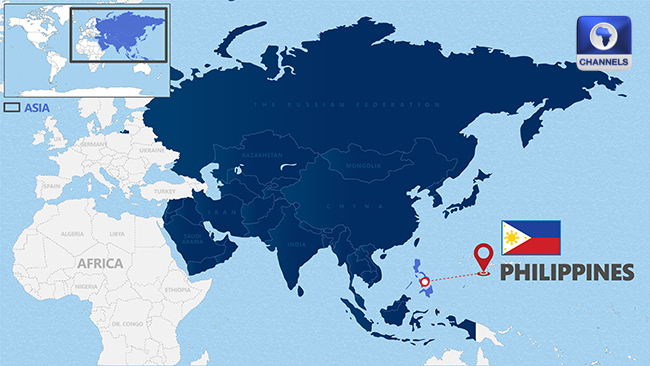
President Marcos authorises coal expansion, fuel subsidies, and emergency measures to stabilise domestic energy supply
By A1 News International
Abuja, Nigeria — March 24, 2026
Philippine President Ferdinand Marcos declared a national energy emergency on Tuesday in response to rising risks to fuel supply caused by the ongoing Middle East war. The move allows the government to implement emergency measures to safeguard electricity and fuel stability amid surging global energy costs.
What Happened
The state of emergency follows warnings from the Philippines’ Energy Secretary, Sharon Garin, that the conflict in the Middle East has disrupted gas shipments, threatening domestic energy security.
The executive order grants the Department of Energy authority to make advance fuel contract payments of up to 15 percent, and empowers authorities to act against hoarding or profiteering. The Transportation Department is authorised to direct fuel subsidies, reduce or suspend tolls, and adjust aviation fees, while fast-tracking aid for individuals in crisis situations.
Official Response
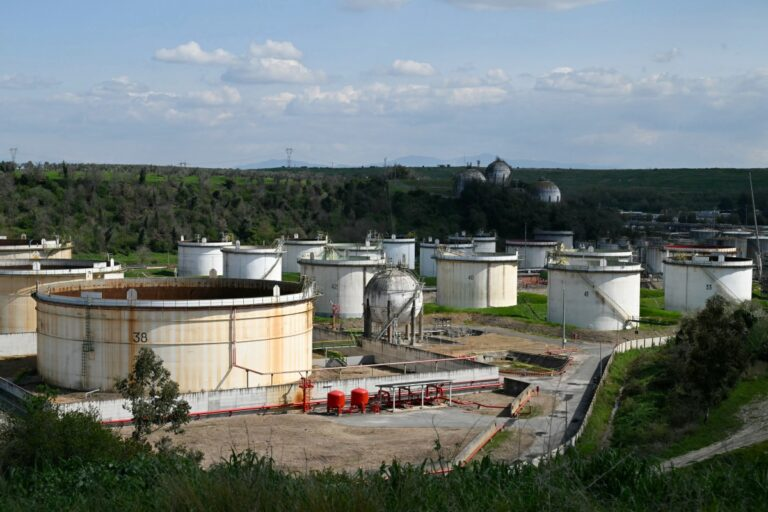
Secretary Garin said the country would temporarily rely more heavily on coal-fired power plants, which currently account for 60 percent of the Philippines’ electricity generation. She confirmed that Indonesia has placed no restrictions on coal exports to the Philippines, reducing the need for emergency imports.
Garin added that generation companies had been consulted to determine the extent to which coal output could be increased, with the temporary measures expected to begin as early as April 1.
Background
The Philippines is heavily dependent on imported fuel and has some of the region’s highest energy costs. In January, President Marcos announced a major natural gas discovery near the Malampaya offshore field, which supplies around 40 percent of power to Luzon, but faces depletion in the coming years. The emergency declaration is aimed at mitigating near-term risks while longer-term domestic gas projects progress.
Why It Matters
The declaration signals urgent government action to prevent domestic power disruptions and rising consumer costs. For citizens, the measures aim to secure electricity, maintain fuel affordability, and reduce the economic impact of international conflicts on everyday life.











Leave a Reply