
Presidency Confirms Shock, DHQ Launches Intensified Operations While Activists Accuse Authorities of Downplaying Security Failure
By A1NEWS International
ABUJA, Nigeria — June 14, 2026
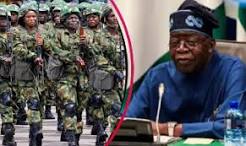
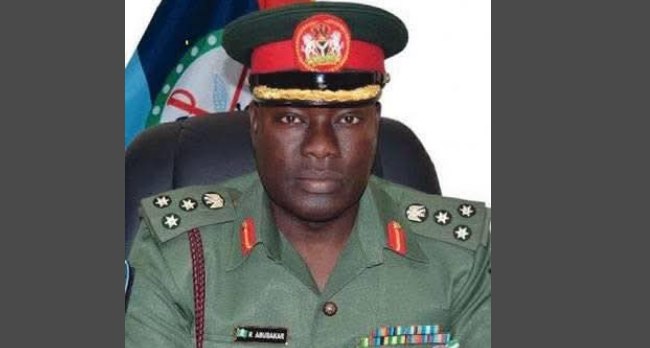
President Bola Ahmed Tinubu has expressed deep sorrow over the death of retired Major General Rabe Abdulkadir Abubakar, who was abducted by suspected terrorists in Katsina State and later died while still in captivity, in an incident that has reignited national outrage over Nigeria’s worsening security situation.
The presidency confirmed that the former senior military officer died while being held by armed kidnappers, describing the development as “shocking, painful and unacceptable.”
However, the tragedy has triggered a parallel wave of criticism from human rights activists, who accuse government officials of downplaying the circumstances surrounding his death and failing to adequately protect citizens from armed criminal groups.
Presidency Confirms Death, Wife Still in Captivity
In a statement issued by the State House, the presidency said President Tinubu received the news with “shock and sadness,” noting that the retired general had been abducted while travelling to his hometown in Katsina State.
According to the statement, the officer’s wife was also kidnapped during the attack and remains in captivity.
The presidency extended condolences to the bereaved family, the people of Katsina State, and the Nigerian military, while reiterating the government’s “uncompromising stance” on terrorism and kidnapping.
Officials warned that the state would not yield to blackmail or ransom demands from criminal groups.
Military Vows Intensified Operations
The Defence Headquarters (DHQ) confirmed it had deliberately withheld public comments during ongoing rescue efforts but stated that operations would now be intensified to dismantle the networks responsible for the abduction.
Military authorities also pledged renewed efforts to secure the release of the deceased officer’s wife and other victims still held by armed groups.
Security analysts say the incident highlights persistent gaps in intelligence gathering and rapid-response capacity in Nigeria’s counterterrorism operations, particularly in the North-West region where banditry has evolved into a sustained security crisis.
Activist Blasts Government Over “Natural Death” Narrative
Human rights activist Francis Nwapa has strongly criticised the Katsina State Government and security authorities over their explanation that the retired general died of complications related to diabetes and hypertension while in captivity.
Nwapa described the framing of the incident as a “natural death” as misleading and insensitive, arguing that it obscures the reality of a citizen dying in terrorist custody without rescue.
“What exactly is natural about a Nigerian citizen, a retired military general no less, being abducted and held by terrorists for weeks without being rescued?” he asked.
According to him, the core issue is not the medical condition of the deceased but the fact that he was abducted, held against his will, and died while the Nigerian state failed to secure his freedom.

Allegations of Government Failure and Security Collapse
The activist argued that the incident reflects a broader collapse in Nigeria’s internal security architecture, particularly in regions affected by banditry and terrorism.
He accused authorities of attempting to soften public perception of the tragedy rather than confronting the operational failures that allowed it to occur.
Nwapa further questioned recent statements attributed to Katsina State Governor Dikko Umaru Radda, who reportedly urged armed groups to embrace peace and return to their communities.
Controversy Over Dialogue With Armed Groups
Governor Radda’s appeal for reconciliation with bandits has sparked controversy, with critics arguing that such rhetoric risks legitimising violent actors responsible for widespread killings, kidnappings and displacement.
Nwapa described the approach as troubling, especially in the context of ongoing abductions and insecurity.
“On the same day the death of the General was announced, the governor was appealing to terrorists as ‘our brothers and sisters,’” he said.
He warned that such messaging could undermine justice for victims and embolden criminal groups.
Accusations of Double Standards in Security Policy
The activist also drew comparisons between the government’s handling of armed groups and its treatment of peaceful protesters, including participants in the #EndBadGovernance demonstrations.
He alleged inconsistencies in enforcement, arguing that while protesters face arrest and detention, armed groups are often engaged through negotiation frameworks.
According to him, this imbalance reflects deeper contradictions in Nigeria’s approach to law enforcement and national security.
Questions Over Military Procurement and Arms Access
Nwapa further criticised remarks by Defence officials suggesting that global conflicts, including the Russia-Ukraine war, were affecting Nigeria’s ability to procure military equipment.
He questioned how armed groups continue to access sophisticated weapons despite reported procurement constraints affecting security agencies.
The activist argued that such contradictions require urgent investigation into possible supply-chain breaches and internal complicity.
Demand for Rescue, Justice and Accountability
Nwapa called for the immediate rescue of the deceased general’s wife and all other kidnapped victims still in captivity.
He also demanded the arrest and prosecution of those responsible for the abduction and death of the retired officer.
Furthermore, he urged the federal government to investigate alleged collaborators within political and security institutions who may be aiding criminal networks.
National Reflection on Deepening Insecurity
Security experts say the incident underscores the expanding reach of kidnapping syndicates and armed groups across Nigeria, with victims now including civilians, traditional leaders, security personnel and retired senior military officers.
The killing of a former Major General in captivity has intensified public concern over the effectiveness of ongoing counterinsurgency operations.
Analysts warn that without structural reforms in intelligence coordination, border security and internal policing, similar incidents may continue to occur.
The death of retired Major General Rabe Abubakar in terrorists’ custody has become more than a personal tragedy—it has evolved into a national flashpoint highlighting Nigeria’s deepening security crisis. While the presidency and military have pledged stronger action, critics argue that official responses continue to fall short of addressing the systemic failures enabling such incidents.
As the government intensifies operations to rescue remaining hostages and dismantle armed networks, pressure is mounting for accountability, transparency and a more decisive strategy to restore public confidence in national security institutions.





Leave a Reply